
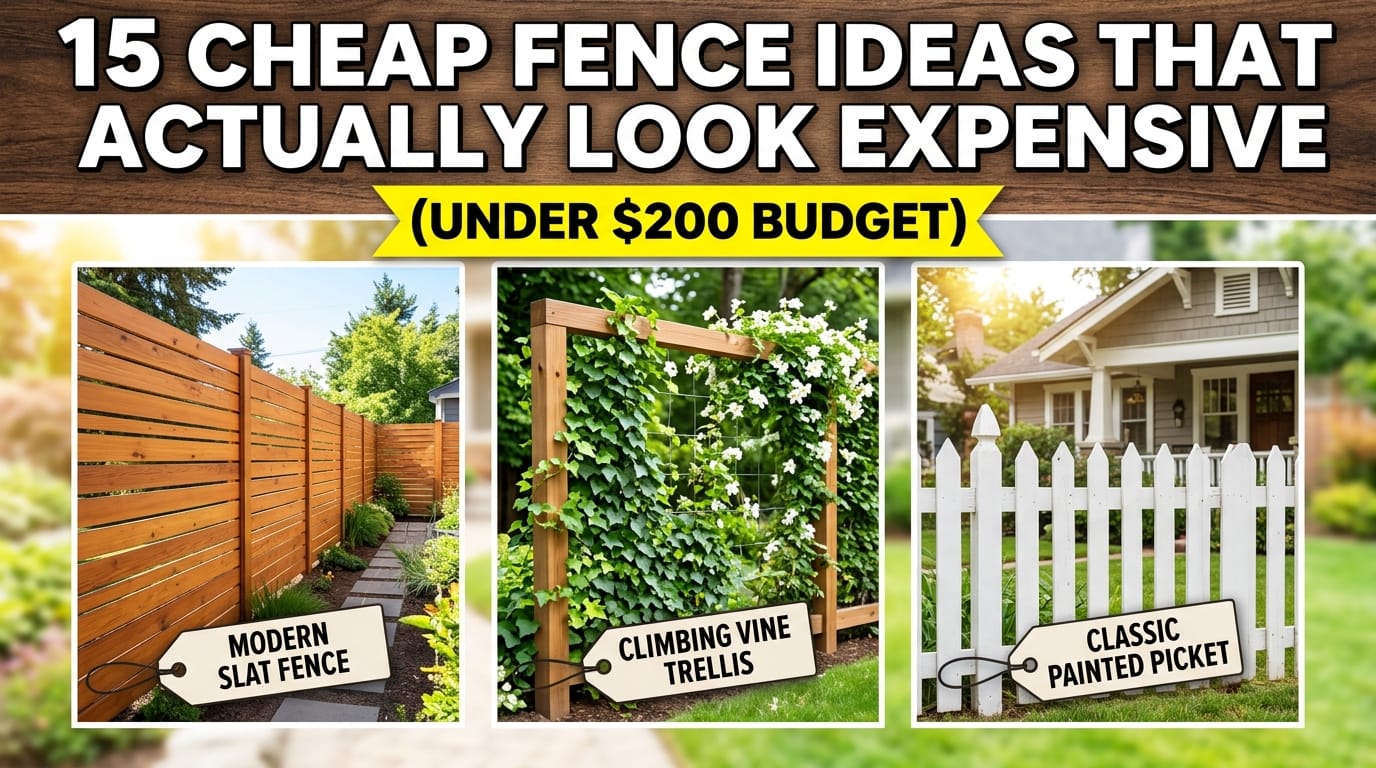
Look, I get it. You’re standing in your backyard right now, staring at that sad excuse for a property line, and you’re thinking there’s no way you can afford a decent fence without selling a kidney. Well, grab a coffee and sit down, because I’m about to show you how to build a fence that’ll make your neighbors think you hired some fancy landscape architect—all while spending less than a nice dinner out.
I’ve been down this road myself, and let me tell you, the satisfaction of hearing “Wait, you built that yourself for HOW much?” never gets old. 🙂
Why Cheap Doesn’t Have to Look Cheap (And That’s the Whole Point)
Here’s the dirty little secret the fencing industry doesn’t want you to know: the materials that make fences look expensive aren’t actually the expensive ones. It’s all about how you use them.
The magic formula? Take basic materials, add some strategic design choices, throw in a little elbow grease, and boom—instant curb appeal. A fresh coat of black paint can turn a boring chain-link fence into an industrial-chic statement piece. Some climbing jasmine on hog wire? Suddenly you’ve got that modern farmhouse vibe everyone’s obsessed with.
Most pros will charge you $25-40 per linear foot for fence installation. That adds up fast. But here’s the kicker: you can build 50 feet of gorgeous fencing for under $200 if you know where to look and aren’t afraid to get your hands dirty.
The 15 Budget-Busting Ideas That’ll Blow Your Mind
1. The Pallet Picket Fence ($20-50 Total)
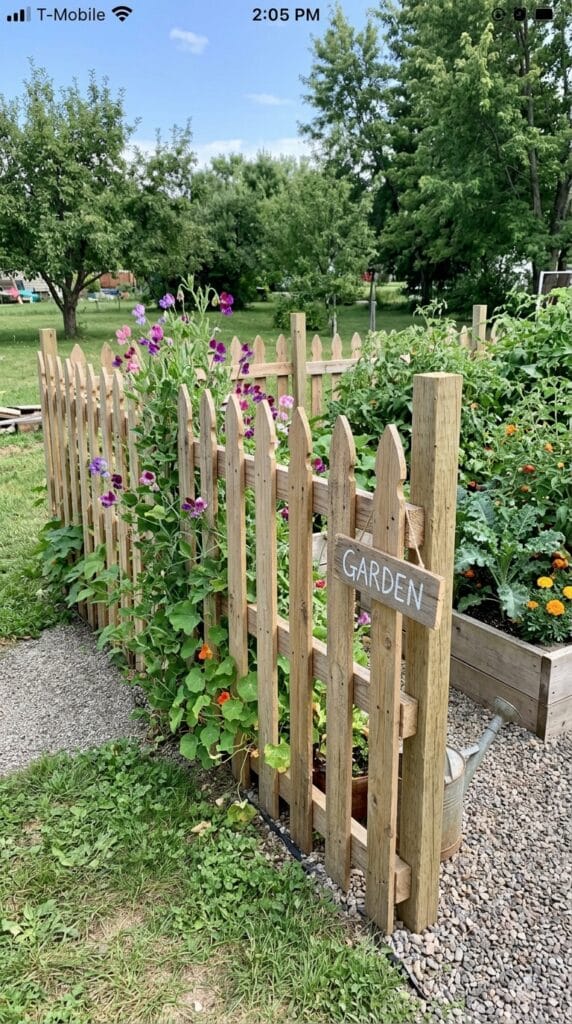
Ever driven past a warehouse and seen those wooden pallets stacked out back? Yeah, those are your new best friends.
Here’s the deal: Most businesses will literally give these away because they’re tired of dealing with them. I’ve scored dozens by just asking nicely. Disassemble them (crowbar and some patience), and you’ve got ready-made pickets that just need a quick sand and some white paint.
What you’ll need:
- Free pallets (call local warehouses, big box stores)
- White exterior paint ($25)
- Basic wood posts ($20-30 for supports)
- Nails or screws ($5)
The luxury hack: Paint them crisp white and add decorative post caps for $2 each. Nobody will know you didn’t drop a grand on cedar.
Lifespan: 2-5 years (perfect for renters or temporary setups)
2. Woven Branch Barrier ($10-30)
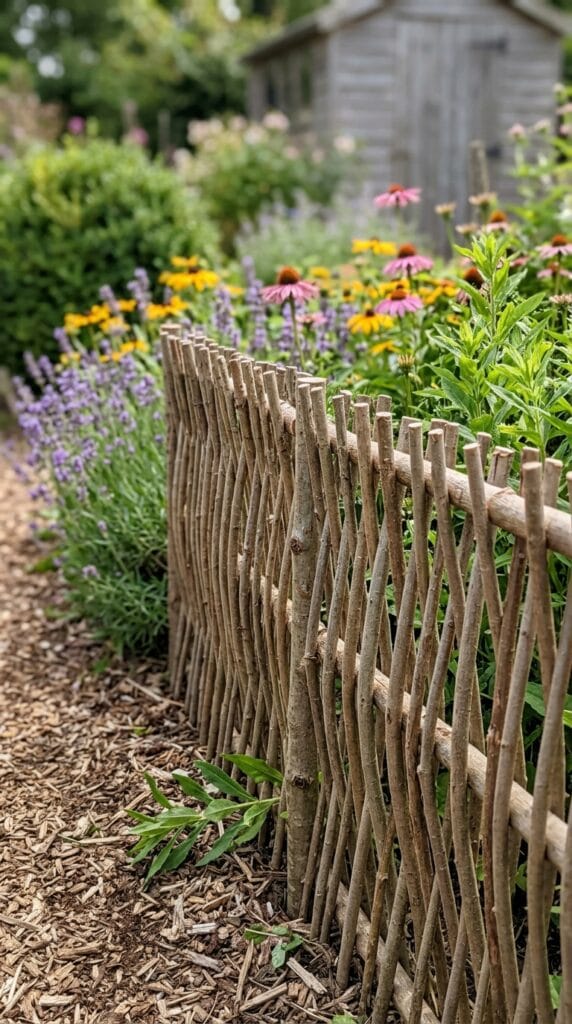
Want to channel your inner woodland fairy while spending basically nothing? This one’s for you.
After a storm or during spring cleanup, collect fallen branches and weave them horizontally between vertical stakes. It sounds rustic because it is rustic—in that expensive, organic-modern way that design magazines love.
Materials:
- Branches (free from your yard or neighbors)
- Sturdy stakes ($10-15)
- Twine or wire ($5)
Pro tip: Mix in some flowering branches like willow for that “I planned this” look.
3. Hog Wire with Wood Frame ($50-80 for 30 feet)
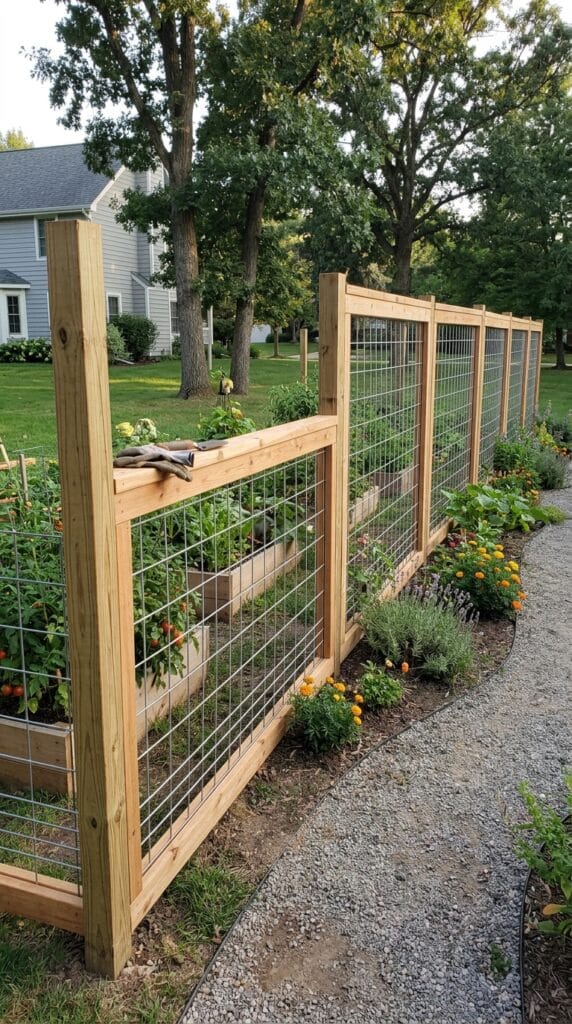
This is my personal favorite, and here’s why: it’s the perfect combo of sturdy, see-through, and stupid-easy to make look amazing.
Hog wire (also called livestock panels) costs around $3-5 per linear foot from farm supply stores. Frame it with basic lumber, stain the wood a rich walnut color, and plant some climbing vines. Give it six months, and you’ll have what looks like a $3,000 custom fence.
The breakdown:
- Hog wire panels: $30-40
- 4×4 posts: $20-30
- Wood stain: $10
- Climbing plants (jasmine, morning glory): $10-20
Maintenance: Practically zero. The wire lasts 10-15 years, and the plants do their thing.
Ever wondered why fancy garden designers charge so much? Because they know this trick and aren’t telling you about it.
4. Bamboo Roll Overlay ($40-70)
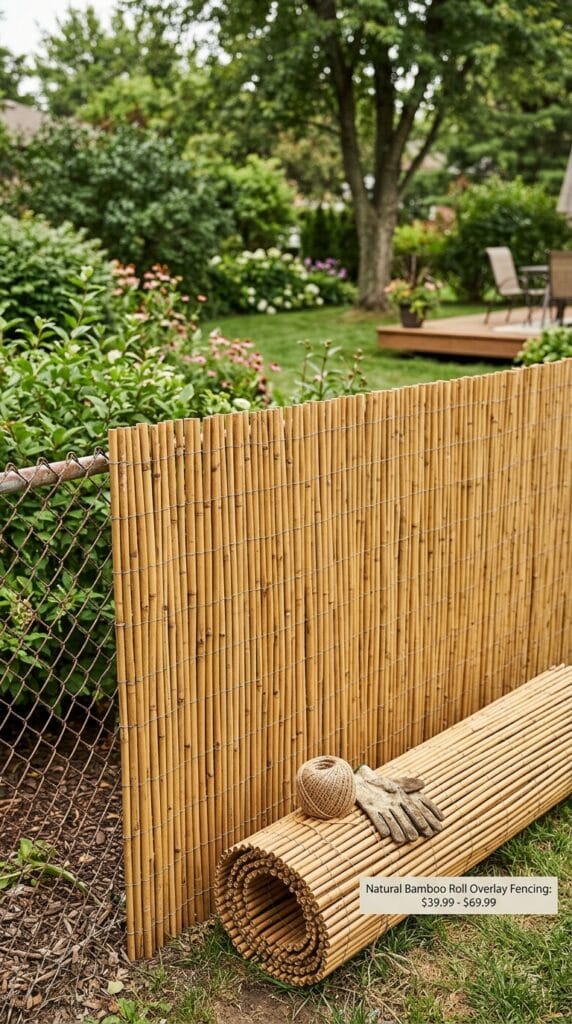
If you’ve got an existing ugly fence and just want to cover that bad boy up, bamboo rolls are your answer.
You can grab these at any home improvement store for about $25-50 per roll (covers 6-8 feet). Zip-tie them to your existing chain link or wood fence, and suddenly you’ve got tropical resort vibes.
Quick install:
- Bamboo rolls: $40-60
- Zip ties: $5
- Wire cutters: (you probably have these)
The catch: Bamboo does fade over time, but for under $200, you can redo the whole thing in a few years and still come out ahead.
5. Painted Chain Link ($30-60)
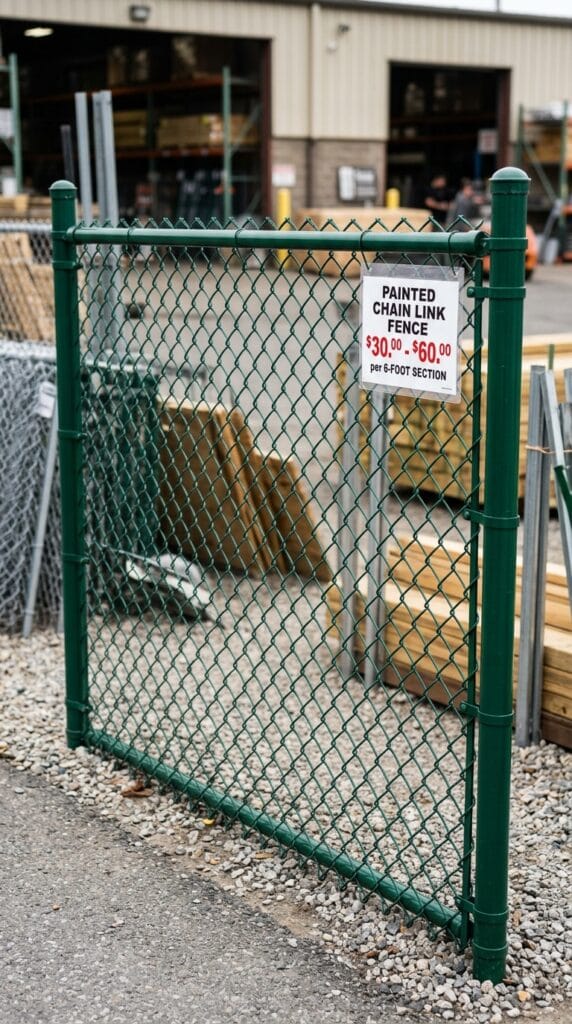
I know what you’re thinking: “Chain link? Really?” Yes, really. Hear me out.
The problem with chain link isn’t the functionality—it’s that boring silver color that screams “suburban mediocrity.” But spray paint that baby matte black or charcoal gray, add some privacy slats or let climbing vines take over, and you’ve got yourself a modern privacy screen that looks intentional.
Cost breakdown:
- Chain link (if new): $12-20 per linear foot
- Spray paint (multiple cans): $20-30
- Vine plants: $10-20
Real talk: I’ve seen this transformation in person, and it’s wild how much of a difference color makes.
6. Split Rail Rustic ($60-90)
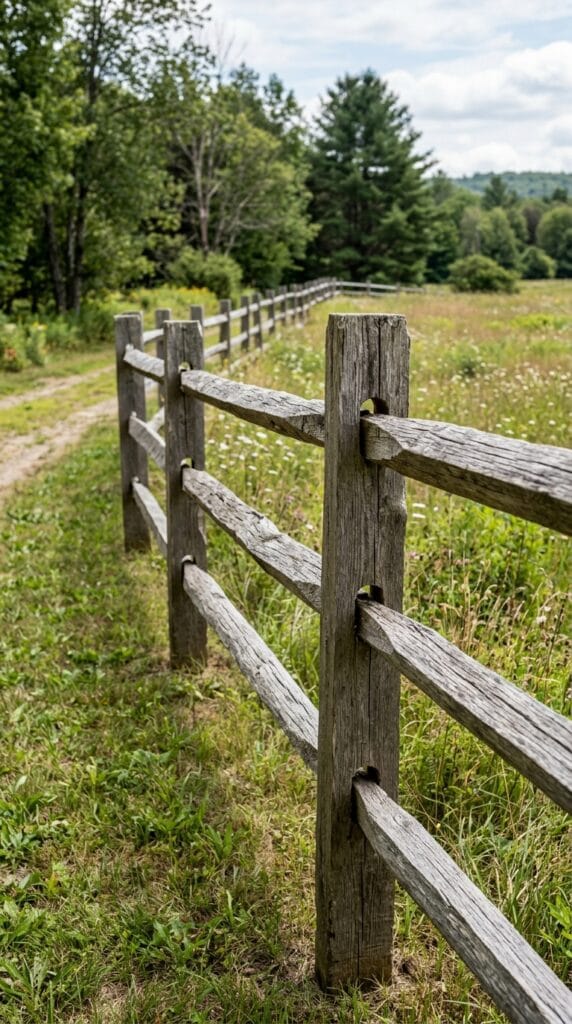
The split rail fence is basically the mullet of fencing—business in the front, party in the back. It’s classic, simple, and uses way less material than a solid fence.
You can score split rail materials for $10-30 per linear foot, and because of the spaced-out design, you’ll need less overall. Whitewash it for farmhouse charm, or leave it natural for that rugged ranch vibe.
What makes it look expensive:
- The simplicity (counterintuitively, sparse = sophisticated)
- Natural wood character
- Zero-maintenance appeal
Durability: 15-20 years with minimal upkeep
7. Concrete Block Stack ($50-100)
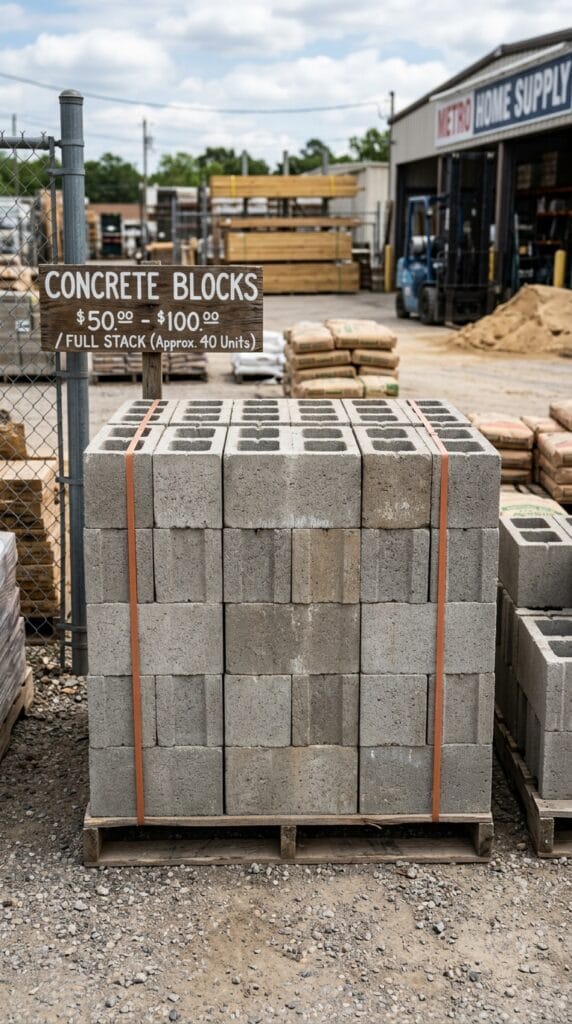
Okay, this one takes a little muscle, but concrete blocks are dirt cheap—like $5-10 per bag of mix or $1-3 per block.
Stack them in a staggered pattern, fill the holes with soil and plants, or cap them with reclaimed wood for a textured, architectural look. It’s basically a DIY gabion wall without the fancy price tag.
Materials:
- Concrete blocks or bags: $40-70
- Optional wood caps: $20-30
- Gravel for base: $10
FYI: This works great for shorter sections where you need that modern, industrial edge.
8. Trellis Vine Screen ($20-50)
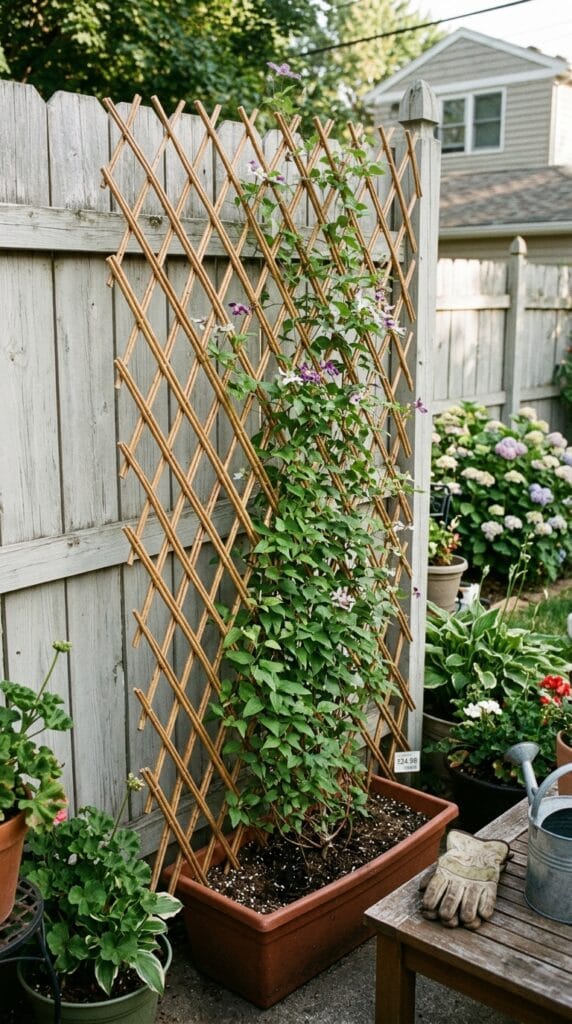
Why build a solid fence when you can grow one?
Grab some cheap lattice or make your own grid from PVC pipes and chicken wire. Plant fast-growing vines like clematis, ivy, or honeysuckle at the base, and let nature do the heavy lifting.
Shopping list:
- Lattice panels: $10-20 each
- Posts: $10-15
- Plants: $10-20
The payoff: In one growing season, you’ll have a lush, living privacy screen that actually improves over time. Try getting that from a wood fence.
9. Upcycled Bottle Wall ($0-40)
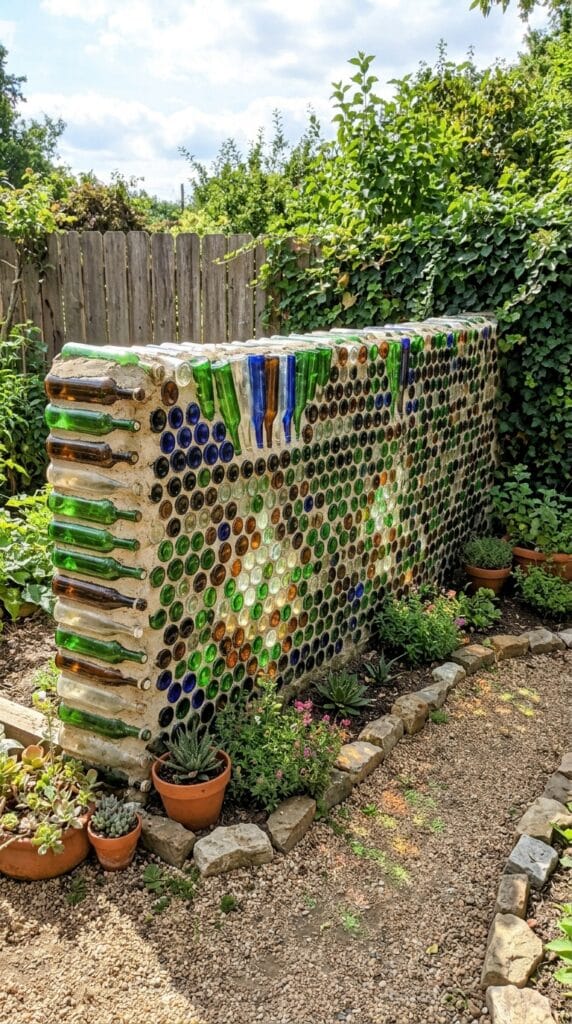
Alright, this one’s for my creative weirdos out there (and I mean that with love).
Collect glass bottles (wine, beer, soda—whatever you’ve got), and set them in mortar or concrete between posts. When the sun hits them? Pure magic. It’s like having a sparkly, boho art installation as your fence.
Cost:
- Bottles: Free (start saving now)
- Mortar mix: $20-30
- Posts/supports: $10-20
Warning: This is more art project than traditional fence, but the “wow” factor is off the charts.
10. Hedge/Privet Grow-In ($30-70)
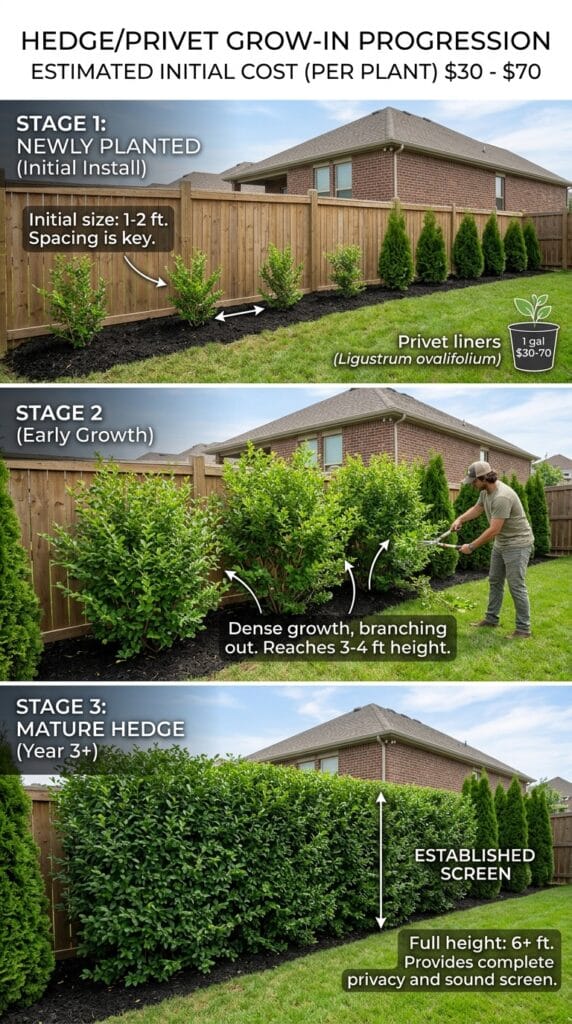
Sometimes the best fence is the one you plant.
Fast-growing shrubs like privet, arborvitae, or boxwood cost about $20-50 per plant, but you don’t need many to get started. Plant them on a wire frame or string line, and in 2-3 years, you’ve got a solid, natural privacy barrier.
Investment breakdown:
- 5-7 plants: $30-60
- Compost/soil: $10
- Support wire: $5
Long-term value: These things grow themselves and get better every year. Plus, zero maintenance beyond occasional trimming.
11. Corrugated Metal Panels ($70-120)
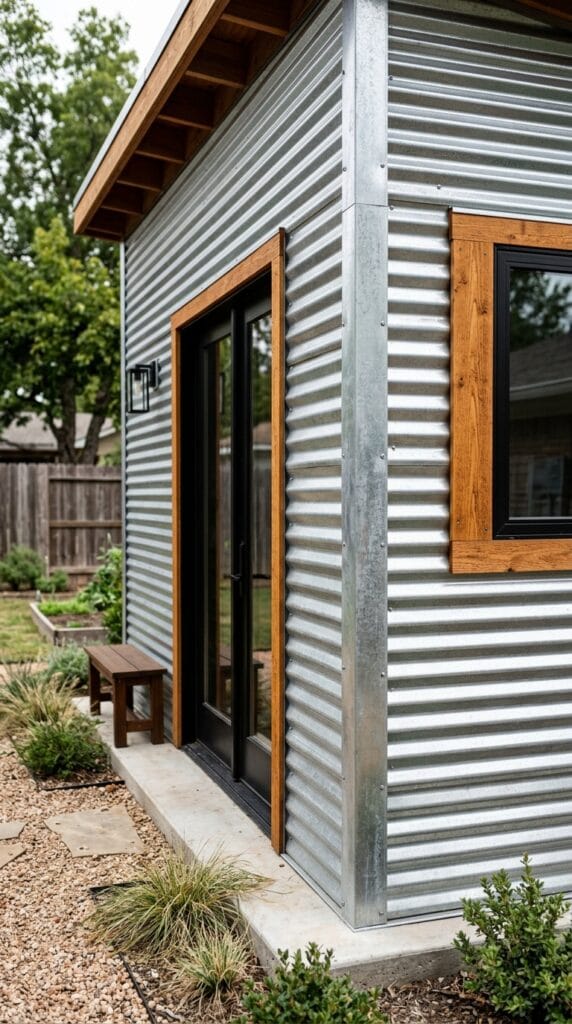
Want that trendy, industrial look without the industrial price tag? Hunt down some corrugated metal panels.
You can often find these at salvage yards or farm supply stores for way less than retail. Frame them with wood, paint them matte black, and you’ve got yourself a statement fence that’ll last 20-25 years.
Materials needed:
- Metal panels (salvaged): $40-80
- Wood framing: $30-40
- Paint/sealer: $10-20
Pro tip: Mix vertical and horizontal panels for visual interest.
12. PVC Pipe Picket ($40-80)
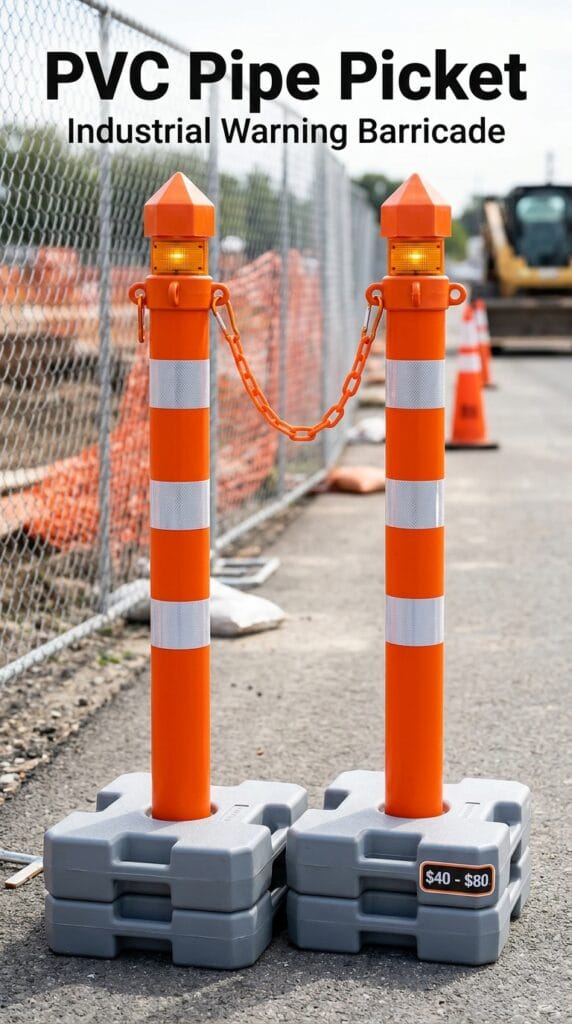
If you live somewhere with brutal weather, PVC might be your hero.
Cut PVC pipes at angles to mimic traditional pickets, paint them any color you want, and they’ll never rot, warp, or need repainting. Plus, they’re lightweight and stupid-easy to install.
What to buy:
- PVC pipes (various sizes): $30-50
- UV-resistant paint: $15-20
- Mounting hardware: $10
Bonus: These things laugh at hurricanes and snow.
13. Rope & Post Weaver ($25-55)
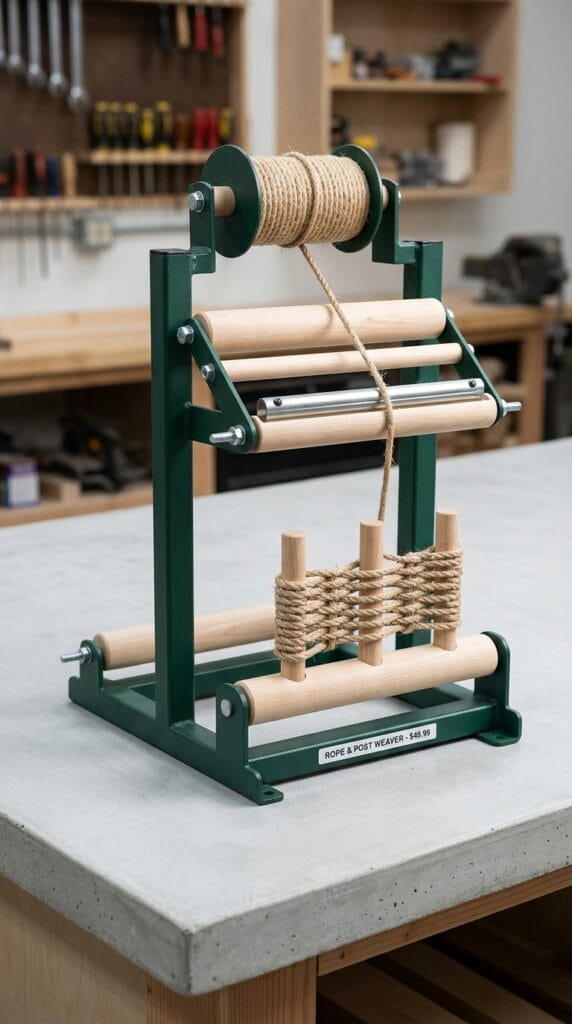
Coastal vibes on a budget? Say less.
Sink some posts (recycled 4x4s work great), and weave thick rope horizontally between them. It’s nautical without being kitschy, and the materials cost next to nothing if you shop smart.
Costs:
- Recycled posts: $10-20
- Marine rope: $15-30
- Post anchors: $5
The look: Cape Cod chic meets modern minimalism.
14. Tile Mosaic Infill ($50-100)
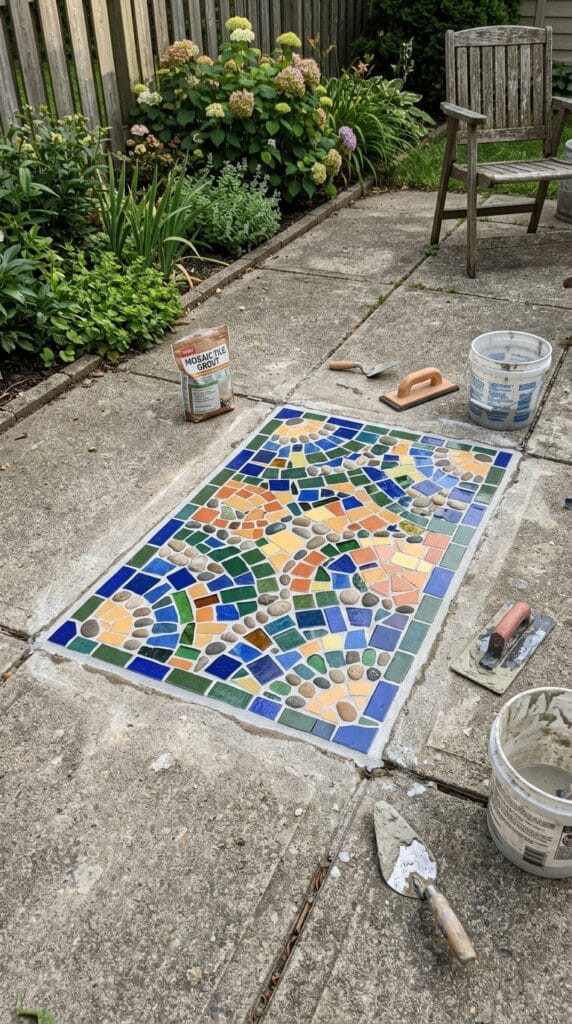
Got leftover tiles from a bathroom reno? Or can you score broken tiles from a construction site? Time to get crafty.
Attach mesh backing to a frame and create a mosaic pattern with tile pieces. Grout it, seal it, and you’ve got a Mediterranean-inspired accent fence that looks like it cost thousands.
Materials:
- Scrap tiles: $0-30
- Mesh backing: $10
- Grout/sealer: $20-30
- Frame lumber: $20-30
IMO: This works best as an accent section, not a full perimeter fence.
15. Simple Garden Board Fence ($80-150)
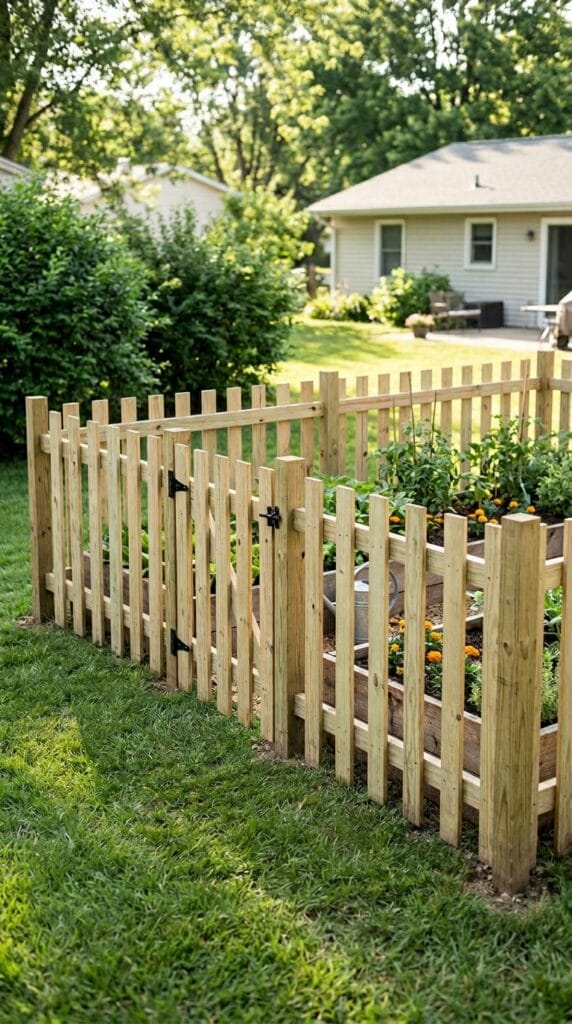
Sometimes the cleanest designs are the best. Basic 1×4 boards attached to posts with a tiny gap between each one creates clean, modern lines that look way more expensive than they are.
The setup:
- 1×4 boards: $50-80
- 4×4 posts: $30-50
- Screws/brackets: $10
- Stain or paint: $10-20
Style points: Stain them dark charcoal or leave them natural with a clear seal. Either way, you’re getting that minimalist, contemporary look for under $200.
The Shopping Strategy That’ll Keep You Under Budget
Let’s talk sourcing, because this is where you can blow your budget or nail it.
Free/Nearly Free Sources:
- Craigslist free section (check daily)
- Facebook Marketplace
- Local warehouses (pallets galore)
- Construction sites (ask first!)
- Your neighbors’ yard waste
- Salvage yards
Discount Retailers:
- Tractor Supply Co. (hog wire, split rail)
- Habitat for Humanity ReStores
- Big box stores’ damaged/clearance sections
- Farm supply stores (bamboo, wire fencing)
The $100 starter kit for most projects:
- Pallets or basic lumber: Free-$30
- Wire/mesh fencing: $20-30
- Paint or stain: $20-30
- Fasteners (screws, nails): $10-15
- Posts: $20-30
Real Talk: Installation Without Losing Your Mind
Look, I’m not gonna lie to you—building a fence is work. But it’s not hard work if you break it down right.
The universal process:
Measure and mark your line (1-2 hours)
- Use string and stakes
- Check with a level
- Mark post locations every 6-8 feet
Dig and set posts (3-5 hours)
- Dig 2 feet deep
- Add gravel for drainage
- Use quick-set concrete if you’re impatient
- Let cure 24 hours minimum
Attach your panels/materials (4-6 hours)
- Work section by section
- Keep checking level (trust me)
- Pre-drill holes to avoid splitting wood
Apply the luxury finish (2-4 hours)
- Prime if painting
- Apply two coats
- Add plants or decorative elements
Total time: One solid weekend for most 50-foot sections
Common mistakes to avoid:
- Not checking property lines (awkward)
- Skipping the level (you’ll regret it)
- Forgetting to weatherproof wood (it’ll rot)
- Setting posts in dirt without gravel (they’ll shift)
- Ignoring HOA rules (expensive mistake)
Making It Last: Maintenance That Won’t Kill Your Vibe
The whole point of a budget fence is that it stays budget-friendly, right? So let’s talk upkeep.
Annual to-do list (takes maybe an afternoon):
- Reapply stain or touch up paint ($10-20)
- Trim back overgrown plants
- Check for loose fasteners
- Clear debris from base
- Inspect for rot or rust
By material type:
Wood fences:
- Seal annually with water-repellent stain
- Replace any rotted sections immediately
- Expected life: 5-10 years with care
Metal/wire fences:
- Check for rust, treat with rust converter
- Tighten any loose connections
- Expected life: 15-20 years
Living fences (hedges/vines):
- Trim 2-3 times per growing season
- Fertilize in spring
- Basically maintains itself after establishment
Pro tip: Plant some fast-growing vines along any fence to hide imperfections and add that “expensive landscaping” look for practically free.
Quick FAQ Because You’re Probably Wondering
Can I really do this alone?
Yes! Most of these projects are totally doable solo for sections under 100 feet. For longer runs, grab a buddy and some beer. Makes it faster and more fun.
Will it be strong enough for my dog?
Depends on your dog, honestly. For diggers, add a hog wire apron at the base. For jumpers, go at least 6 feet high. For small dogs? Any of these work fine.
What about permits and HOA rules?
Ugh, the boring stuff. Check your local regulations—most areas allow fences under 6 feet without permits, but HOAs can be picky about materials and colors. Better to ask forgiveness than permission? Your call. :/
How long before my living fence looks good?
Fast-growing options like privet or clematis will fill in within one growing season. Slower plants like boxwood might take 2-3 years. Patience pays off, though.
Can I combine ideas?
Absolutely! Mix split rail with wire for a rustic-modern hybrid. Add bamboo panels to chain link. Stack different materials for visual interest. That’s actually how you get the most custom, expensive look.
The Bottom Line (Because We Both Know You’re Ready to Start)
Here’s what I want you to take away from this: you don’t need a fat wallet to have a beautiful yard. You just need creativity, a free weekend, and the willingness to think outside the big-box-store mentality.
My personal favorite? The hog wire with climbing plants. I built 40 feet of it for about $120, and two years later, people still stop to compliment my “designer fence.” The jasmine exploded last spring, and now it smells amazing every time I’m out there. Worth every bit of sore muscle from that weekend.
Start small if you’re nervous. Do a 20-foot section as a test run. Source your materials slowly over a few weeks. Join local “buy nothing” groups for free supplies. The point is to start, not to be perfect.
And honestly? The best part isn’t even the money you save (though that’s pretty sweet). It’s the satisfaction of building something yourself, with your own hands, that makes your space feel more like yours. That’s priceless.
Now get off the couch and go score some free pallets. Your fancy-on-a-budget fence is waiting. 🙂