
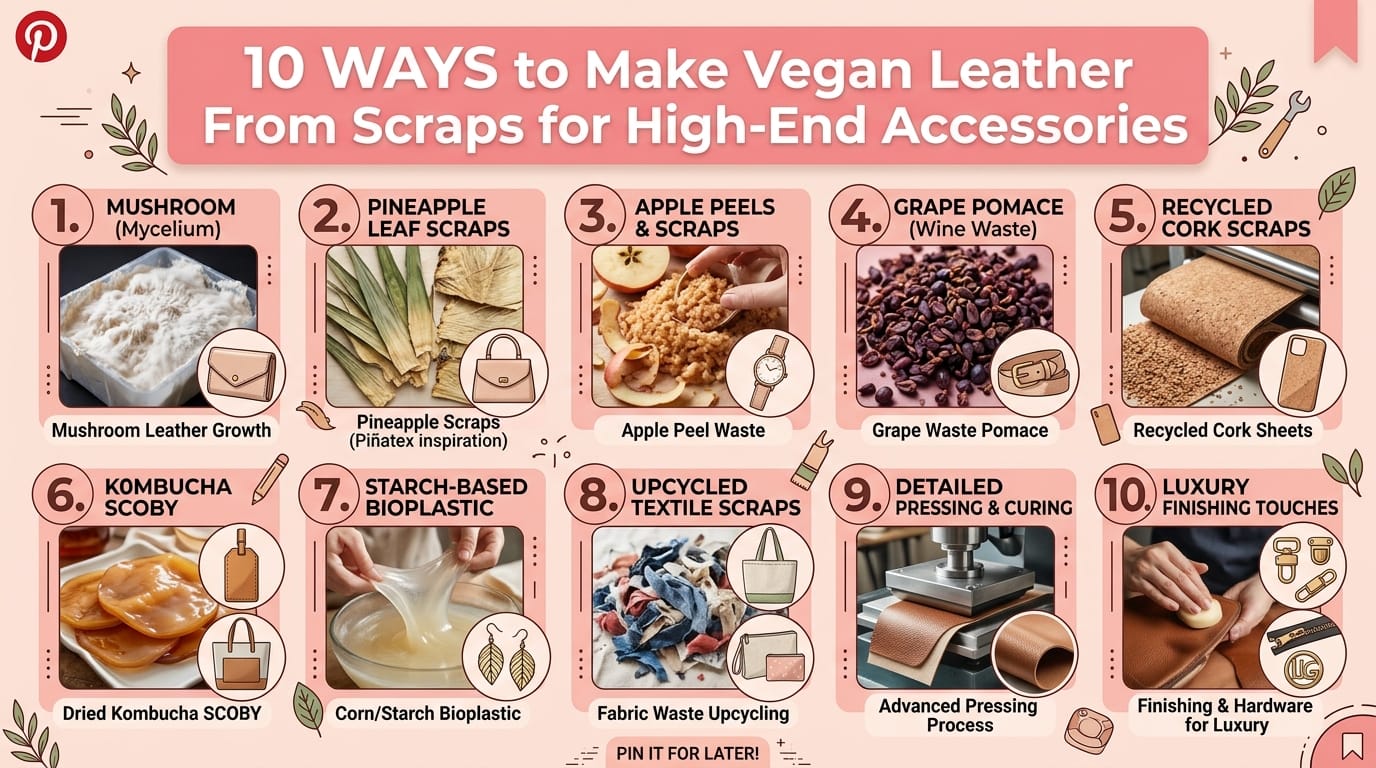
Look, I’m not gonna sugarcoat it—finding ways to turn scraps into something gorgeous that doesn’t involve animal products feels like discovering a cheat code for sustainable fashion. You’ve got leftover bits of faux leather, maybe some PU-coated fabric from that bag project, or even those trendy plant-based materials everyone’s buzzing about. Why toss them when you could be crafting accessories that look like they came straight from a boutique?
Here’s the deal: vegan leather scraps are everywhere. I’m talking Dollar Tree finds, old purses you’re ready to ditch, or even fancy bio-based materials like Piñatex (yeah, made from pineapple leaves—wild, right?). The best part? You don’t need to be some crafting wizard to pull this off. Most of these projects take 5-15 minutes, use basic tools you probably already have, and honestly? They look expensive. IMO, that’s the whole point 🙂
What Exactly Is Vegan Leather (And Why Should You Care)?
Before we jump into the fun stuff, let’s get this straight. Vegan leather isn’t just one thing—it’s basically any leather alternative that doesn’t come from animals. You’ve got your synthetic options like polyurethane (PU) and polyvinyl chloride (PVC), which mimic that smooth, luxury texture. Then there’s the cool bio-based stuff: cactus leather (Desserto), mushroom leather, apple leather, cork, and Piñatex from pineapple fibers.
Why does this matter for scraps? Because these materials are durable, customizable, and increasingly sophisticated. Brands like Stella McCartney and HUGO BOSS aren’t using vegan leather just to be trendy—they’re doing it because the quality rivals traditional leather. When you’re working with scraps, that means your DIY bracelet or keychain has the same luxe potential as designer goods.
Plus, let’s be real—choosing plant-based or synthetic scraps over animal leather feels pretty good when you’re trying to reduce waste. You’re upcycling materials that would otherwise hit the landfill while creating something beautiful. Win-win.
Gathering Your Arsenal: Tools and Materials You’ll Need
Alright, before you start cutting into everything, let’s talk about what you actually need. The beauty of working with scraps is that you don’t need fancy equipment or a massive budget.
Essential Tools
- Sharp scissors or rotary cutter: Trust me, dull scissors will ruin your day and your scraps
- Strong adhesive: E6000 or fabric glue works wonders (just make sure it’s non-toxic if you care about that)
- Needle and thread: For when you want that professional stitched look
- Hole punch: Cheap ones work fine for small projects
- Ruler and pencil: Measure twice, cut once—you know the drill
- Optional embellishments: Beads, glitter, gold paint, studs (go wild here)
Sourcing Your Scraps
Here’s where it gets interesting. You can find vegan leather scraps practically anywhere:
- Repurpose old faux leather bags, jackets, or upholstery
- Hit up Dollar Tree for cheap faux leather items to cannibalize
- Check sewing stores for remnants and offcuts
- Online marketplaces sometimes sell plant-based leather scraps (cactus and Piñatex offcuts are becoming more available)
- Raid your own fabric stash—those random 2-inch strips you saved? Perfect
Pro tip: If you’re going for that high-end sustainable vibe, prioritize plant-based materials over PVC. Cactus, apple, and mushroom leathers are biodegradable and give you major eco-cred. But honestly? PU-coated synthetics are easier to work with for beginners and still look incredible.
The 10 Money Projects: From Tiniest Scraps to Statement Pieces
Ever wonder what you can actually make with those random bits of material cluttering your craft drawer? Turns out, quite a lot. I’ve organized these from simplest (using the smallest scraps) to more complex projects that’ll seriously impress people.
1. Zipper Extensions That Look Designer
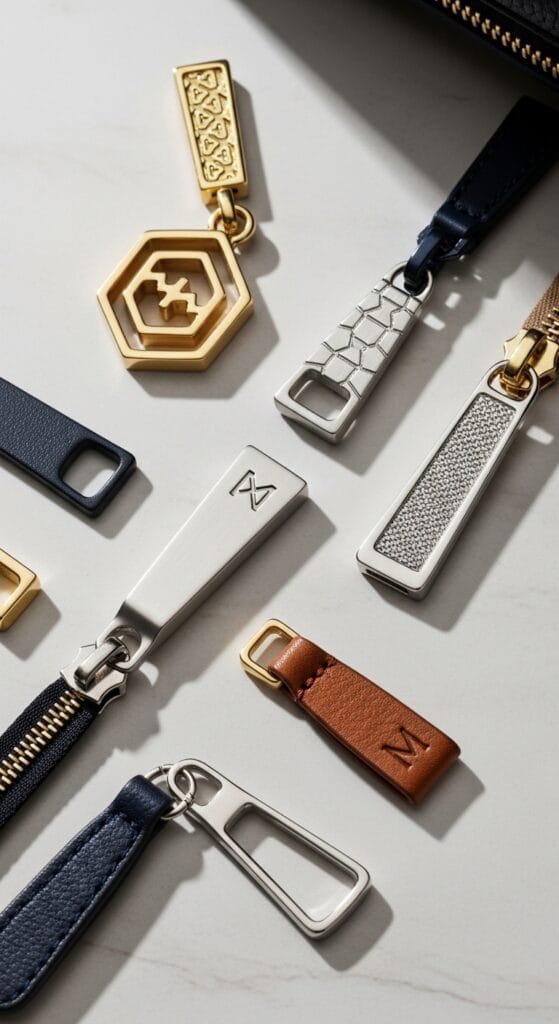
Got an 8 cm strip lying around? Cut it, thread it through any zipper pull, and add 3-5 decorative beads. Knot the ends securely. Boom—instant luxury bag charm. These take maybe 5 minutes and make even a basic tote look expensive. I’ve added these to everything from makeup bags to jackets, and people always ask where I bought them.
2. Pencil Caps That Scream Bougie
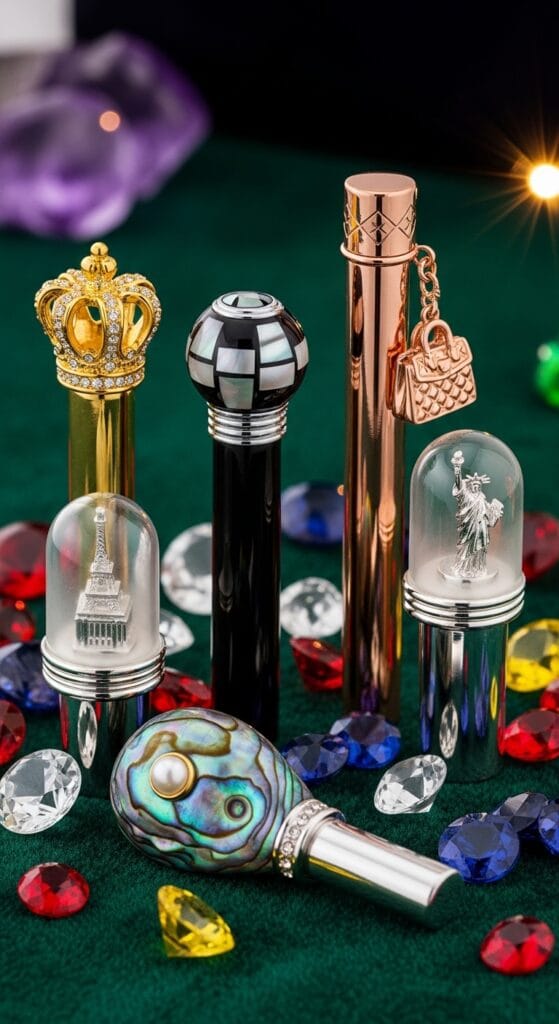
This one’s adorable and practical. Trace your pencil or eyeliner on a scrap piece, cut it out with a scalloped or pointed top, then blanket stitch the edges together. You’ve just made a protective cap that looks like it came from an upscale stationery store. Perfect for protecting makeup liners in your purse.
3. Gift Tags with Personality
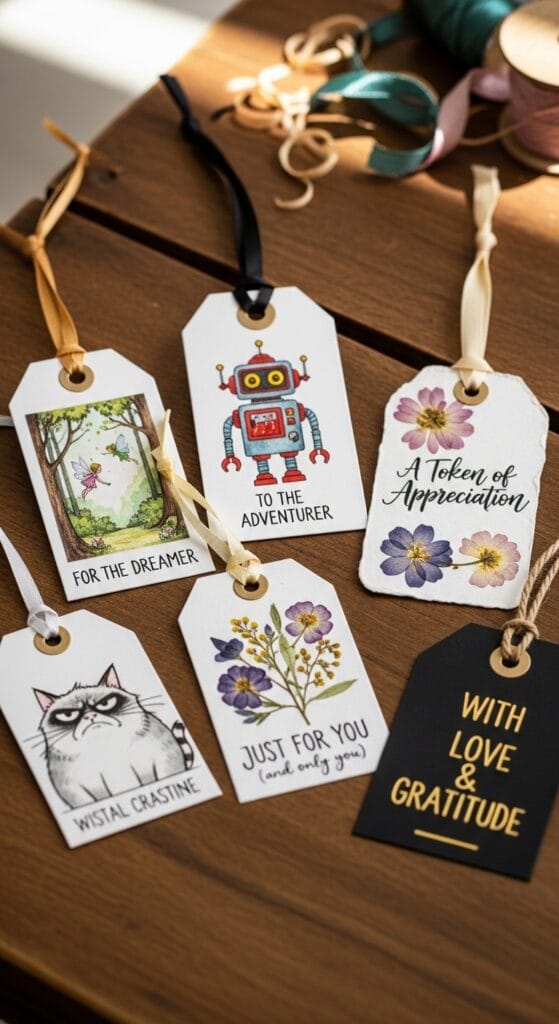
Small irregular scraps? Don’t throw them away. Cut them into tag shapes, punch a hole at the top, add some glue and glitter if you’re feeling fancy, and thread with string. These beat store-bought tags any day, and they add a handmade luxury touch to gifts. FYI, people will definitely comment on these.
4. Stackable Bracelets
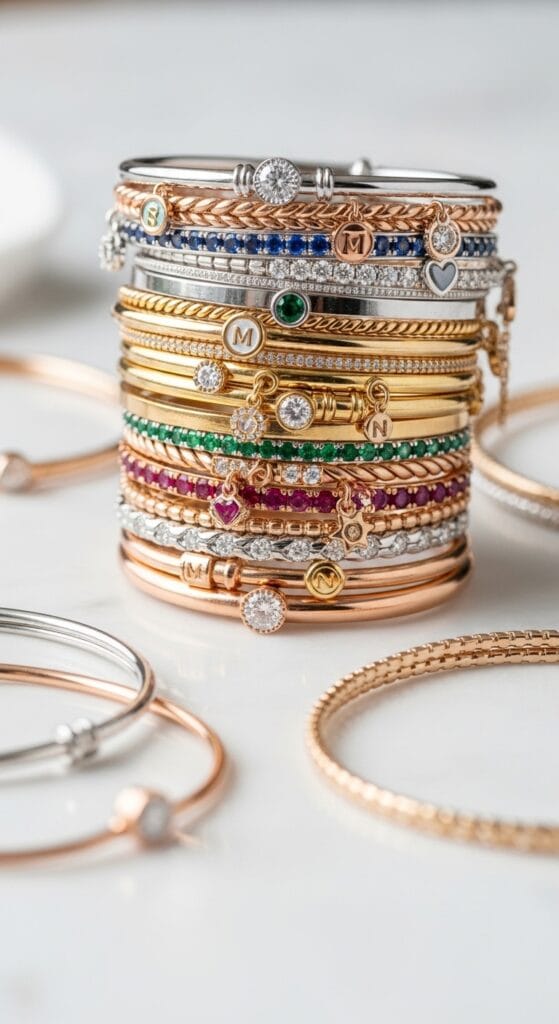
Thin strips of vegan leather are bracelet gold. You can braid them, link them together, or just wrap a single piece around your wrist with a clasp. Add metal studs or beads for that high-end jewelry look. I’ve made sets of these in different colors—they’re ridiculously easy and look like something from a boutique display.
5. Beaded Charms for Purses and Keys
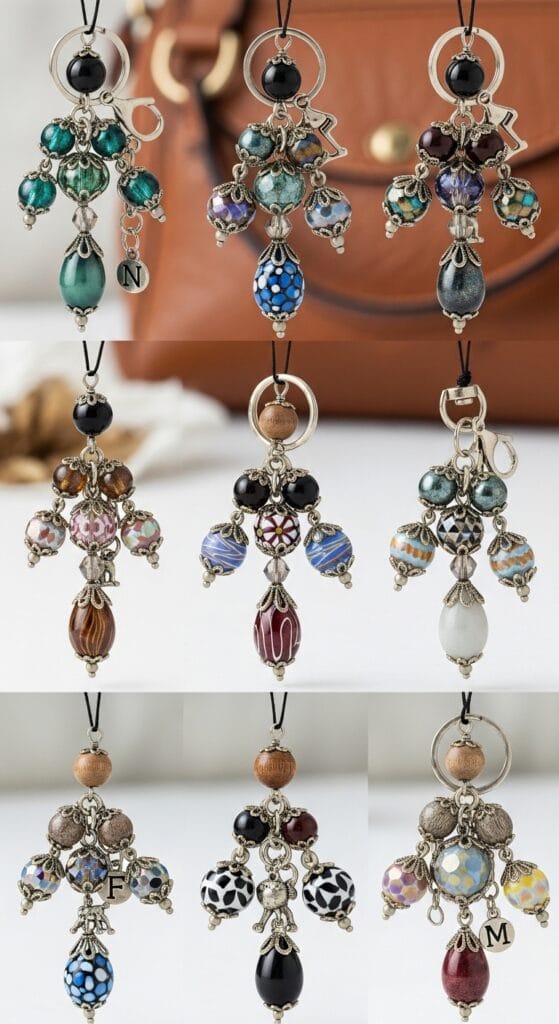
Cut a 4×6 cm piece, fold it, thread beads onto the loop, or create a fringe by cutting thin strips and rolling them tightly with a decorative bead at the center. Attach to purse zippers or keychains. These are legitimately fun to make, and you can customize them endlessly. The fringe version especially gives major luxury vibes.
6. Mini Pouches for Everything
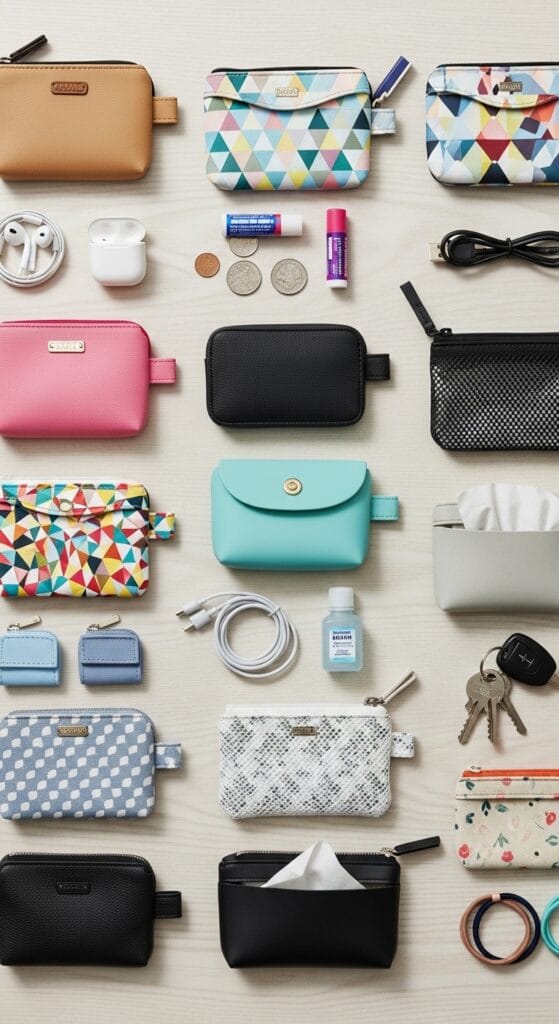
Got 2-3 inch pieces? Stitch four small pieces together to create a tiny pouch with a flap closure. Use these for coins, earbuds, guitar picks, whatever. They’re surprisingly sturdy, especially if you use PU-coated vegan leather that can handle daily wear. I keep one in my car for parking meter change.
7. Statement Earrings and Rings
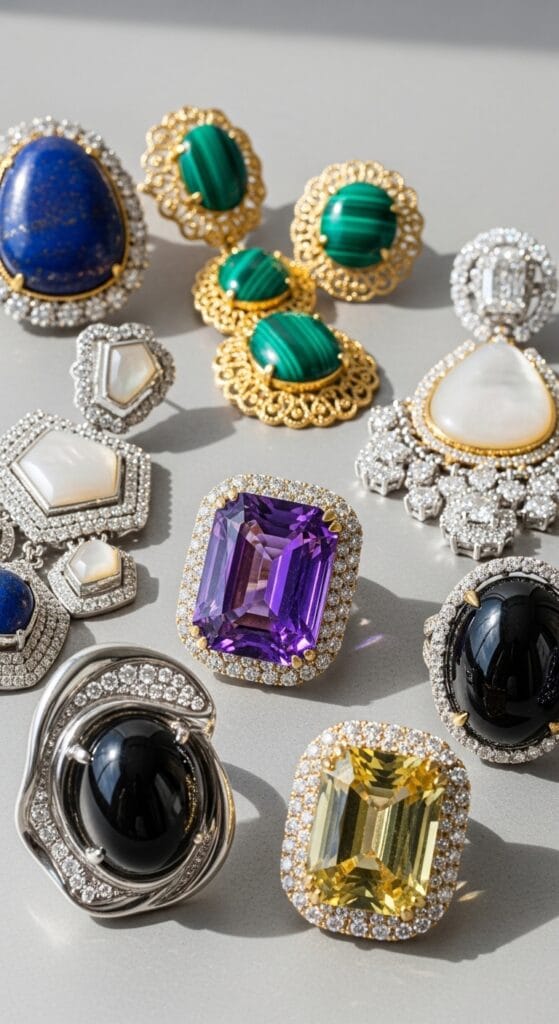
Tiny scraps are perfect for bold jewelry. Cut geometric shapes—squares, pentagons, teardrops—then glue on glitter or metallic paint. Attach earring posts or ring bases (you can grab these at any craft store). The contrast of faux leather with sparkle creates this high-fashion aesthetic that honestly punches above its weight class.
8. Key Fobs and Wristlets
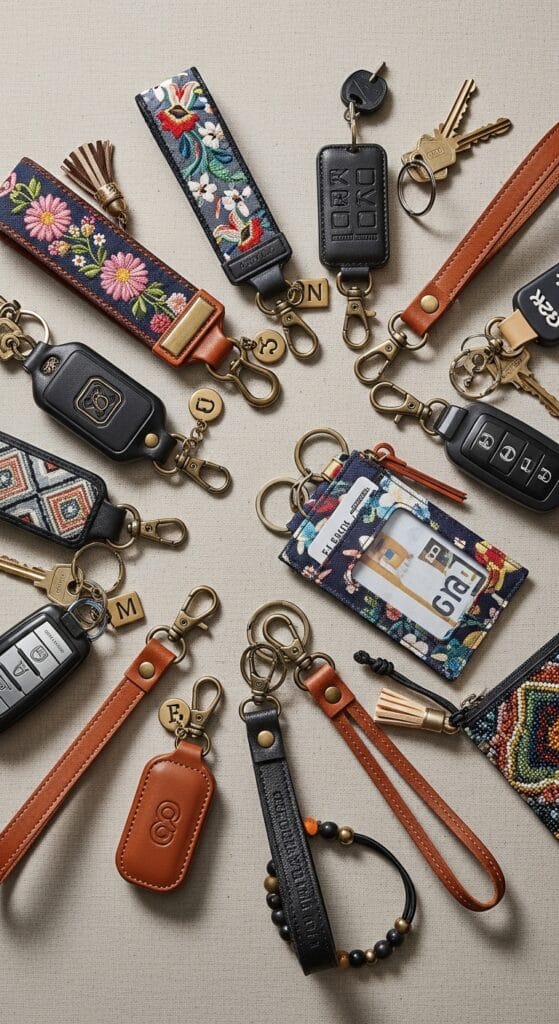
Fold a scrap piece around a key ring using a simple template, glue the fold securely, and you’ve got a wristlet that looks professional. This is one of those “stupid simple” projects (in the best way) that yields consistent results. Plus, it’s practical—no more digging through your bag for keys.
9. Layered Scrap-Busting Earrings
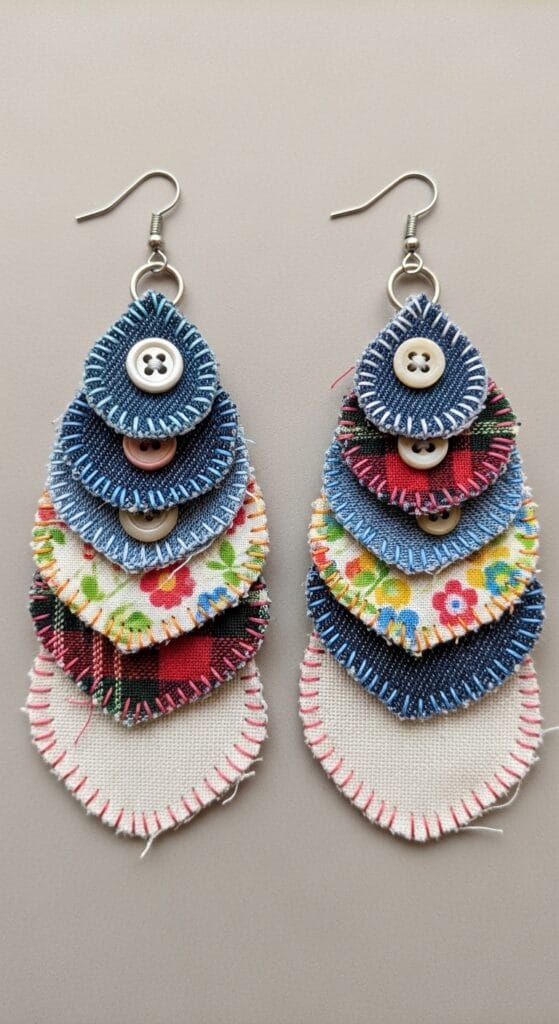
If you’ve got multiple small scraps in different colors or textures, layer them to create dimensional earrings. Cut matching shapes, stack them with adhesive, punch a hole, and add hooks. The layered effect gives these serious designer appeal. I’ve seen similar pairs selling online for $25+, and your material cost is basically zero.
10. Zero-Waste Custom Bags
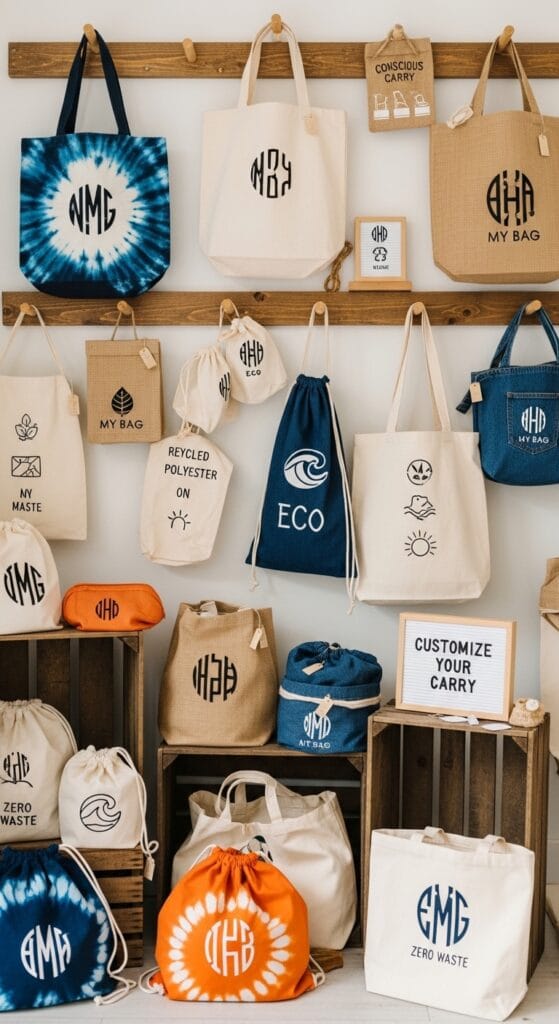
This is the big one. Collect all your mixed scraps—vegan leather, fabric offcuts, whatever you’ve got—and sew them patchwork-style into a custom tote or crossbody bag. It takes more time than the other projects (obviously), but the result is a completely unique, structured piece that screams sustainable luxury. Add a lining for extra durability and some metal hardware for that polished finish.
Making It Look Expensive: Finishing Techniques That Matter
Okay, so you’ve made the thing. But how do you take it from “cute DIY project” to “wait, where did you buy that?” Here’s where finishing techniques come in, and honestly, they’re game-changers.
Embellishments Are Your Friend
- Gold or metallic paint along edges instantly elevates any piece
- Embossing (even DIY embossing with tools from craft stores) creates texture similar to luxury Saffiano leather
- Fringe and tassels add movement and visual interest
- Studs and rivets give that edgy, high-fashion vibe
Choose Your Materials Strategically
If you want to maximize the luxury factor, plant-based scraps win every time. Cork, mushroom leather, and cactus materials have unique textures that people recognize as special. They also give you automatic sustainability points, which matters to a lot of consumers these days.
But don’t sleep on synthetic PU. It’s heat-resistant, stain-resistant, and mimics that smooth designer leather texture perfectly. For everyday accessories like keychains and bracelets, PU-coated vegan leather is honestly the most practical choice.
Durability Hacks
- Seal cut edges with clear nail polish or edge paint to prevent fraying
- Double-stitch high-stress areas like bag straps
- Use quality adhesive for no-sew projects—cheap glue will fail, and then you’re just sad
- Test your scraps before committing to a project; some faux leathers crack or peel over time
The Environmental Angle (Because It Actually Matters)
Look, I get it—sometimes the eco-friendly conversation feels preachy. But when we’re talking about scraps, the environmental benefits are kind of undeniable. You’re literally taking waste material and giving it a second life. That’s resource efficiency at its finest.
Plant-based vegan leathers score especially high here. Materials like Piñatex use agricultural waste (pineapple leaves that would otherwise be burned or composted), while cactus leather grows with minimal water. Even better, many of these materials are biodegradable, unlike PVC which sticks around polluting for decades.
Synthetic vegan leathers are trickier. PVC is problematic from an environmental standpoint due to toxins released during production and disposal. PU is somewhat better but still petroleum-based. However, if you’re using scraps of these materials that already exist, you’re preventing them from becoming landfill waste. That’s a net positive.
The real power move? Combining sustainability with style. When your DIY vegan leather accessories look this good, you’re proving that eco-conscious choices don’t require sacrificing aesthetics. And that’s a message worth spreading.
Common Questions (Because I Know You’re Wondering)
Is DIY vegan leather from scraps actually durable?
Short answer: yes. PU-coated materials and plant-based leathers like Piñatex hold up surprisingly well. I’ve had scrap-made keychains and bracelets last over a year with daily use. The key is choosing quality source materials and reinforcing stress points.
What scraps work best for luxury results?
For that high-end look, I’d prioritize plant-based materials (cactus, apple, mushroom leather) because their texture reads as special and unique. But for ease of crafting and durability, synthetic PU is honestly hard to beat. It’s smooth, consistent, and forgiving for beginners.
Do I really need special tools?
Nope. Glue and beads alone will get you through about 70% of these projects. Scissors, a hole punch, and basic sewing supplies cover the rest. You can absolutely start with what you already have at home.
Can these projects actually sell?
Oh, definitely. Handmade vegan leather accessories have a solid market, especially if you emphasize the sustainable angle. I’ve seen similar pieces—keychains, earrings, small pouches—selling for $15-40 online. Your material costs are negligible since you’re using scraps, so the profit margin potential is real.
Why This Works (And Why You Should Try It)
Here’s the thing: turning scraps into high-end accessories isn’t just about saving money or being eco-friendly (though those are nice perks). It’s about creative problem-solving. You’re looking at something most people would throw away and seeing potential. That’s pretty cool :/
Plus, there’s something genuinely satisfying about wearing or using something you made from literal trash. It’s functional art. And when people compliment your “designer” bracelet or bag charm? You get to drop the “oh, I made it from scraps” line, which never gets old.
The projects I’ve outlined here range from ridiculously simple (zipper extensions, gift tags) to more involved (patchwork bags), so there’s an entry point for every skill level. Start with the quick wins—make a few keychains or pencil caps this weekend. Once you see how easy it is and how good the results look, you’ll be hooked.
And honestly? The vegan leather scraps you’re working with now are only getting better. As plant-based materials evolve and become more accessible, the possibilities expand. Five years ago, cactus leather wasn’t even commercially available. Now you can buy it. Who knows what amazing sustainable materials we’ll have access to next?
So grab those random scraps you’ve been hoarding, pick a project that looks fun, and just start making stuff. Worst case scenario, you end up with some practice pieces. Best case? You’ve got a new hobby, some gorgeous accessories, and bragging rights for being sustainably stylish. Worth it.