
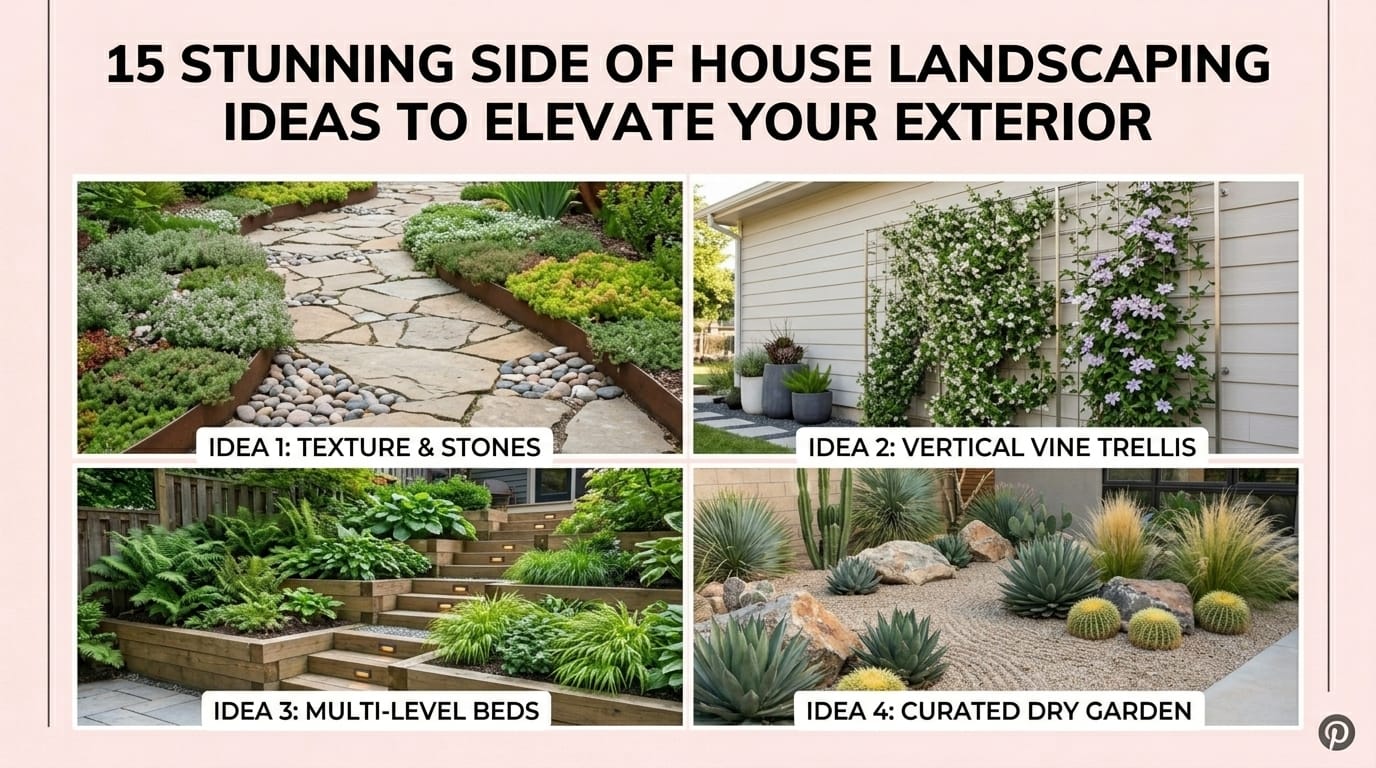
Look, I get it. That skinny strip of land running along your house? It’s probably home to your trash cans, a forgotten hose, and maybe some sad weeds that refuse to die. We’ve all been there. But here’s the thing—that neglected side yard is actually prime real estate just waiting for a glow-up.
Most homeowners treat their side yards like the junk drawer of outdoor spaces. You know, that place where stuff goes to die because you can’t figure out what else to do with it. But what if I told you that with some clever thinking and maybe a weekend’s worth of work, you could turn that awkward alley into something people actually want to look at? Maybe even hang out in? Yeah, I was skeptical too.
After diving deep into YouTube transformations, design blogs, and real homeowner projects, I’ve rounded up 15 ideas that actually work for those tricky 4-8 foot wide spaces. No fancy landscape architect required—just some practical solutions that won’t break the bank or your back.
Why Your Side Yard Deserves Better Treatment
Before we jump into the fun stuff, let’s talk about why you should even care about that forgotten strip of land. First off, we’re talking about adding roughly 10-20% more usable outdoor space to your property. That’s not nothing, especially if you’re working with a smaller lot.
But beyond just square footage, a well-designed side yard can seriously boost your curb appeal. Think about it—guests walking to your backyard, delivery drivers, even you hauling groceries. Everyone sees that space. Why not make it something worth looking at?
Here’s what a good side yard makeover brings to the table:
- Increased property value (because buyers notice this stuff)
- Reduced maintenance when you choose smart plants
- Privacy screening from nosy neighbors
- Functional zones for activities you actually want to do
- Better flow between your front and back yards
Plus, let’s be honest—it just feels good to have every part of your property looking intentional instead of like an afterthought. Call me crazy, but I think that matters.
Understanding Your Side Yard’s Personality
Before you start ripping out pavers and ordering plants, you need to figure out what you’re working with. Not all side yards are created equal, and what works in full sun will straight-up die in deep shade. Trust me on this one—I’ve killed enough hostas in sunny spots to know.
Light Assessment 101:
Spend a day tracking how much sun your side yard actually gets. Morning sun only? That’s different from afternoon scorchers. Most side yards are shaded by the house itself, which is why you see so many recommendations for shade-tolerant plants in these spaces.
Width Matters:
The average side yard runs 4-8 feet wide, which is… not a lot. This is why vertical solutions and narrow pathways become your best friends. Anything wider than 8 feet and you’ve got more options—lucky you.
Access and Utility:
Got AC units, meters, or utility panels in there? Yeah, you can’t just cover those up or make them impossible to reach. Factor in access needs before you start planning that zen garden.
Top 15 Side Yard Ideas That Actually Work
Alright, let’s get to the good stuff. I’ve organized these by sun exposure because that’s honestly the biggest factor in what’ll thrive in your space.
For Sunny Side Yards (When the Sun’s Your Friend)
1. Lavender-Lined Walkway
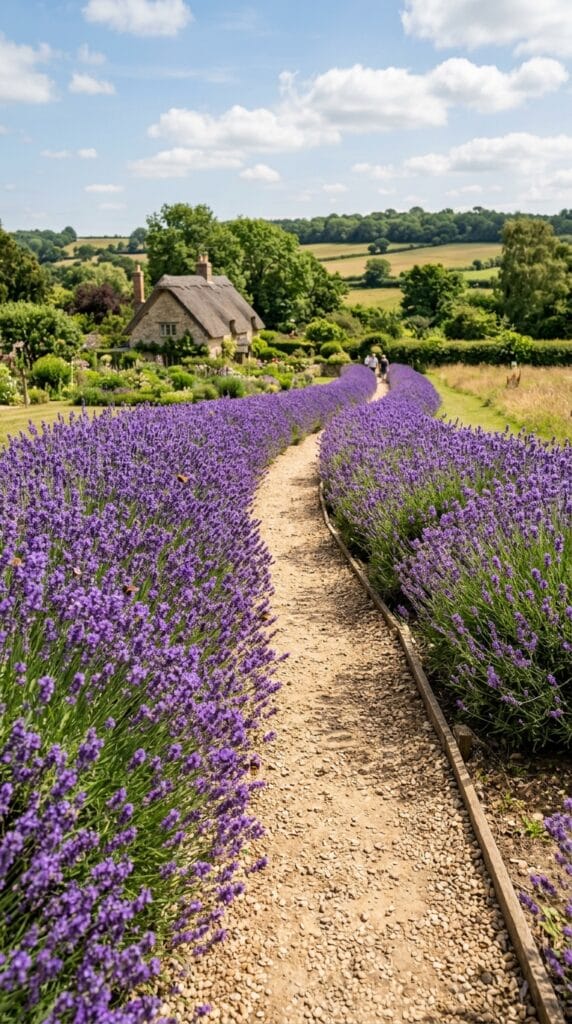
Ever walked past a lavender field and thought “I want to smell like that every time I go to my backyard”? Same. Lining your side yard path with lavender is low-maintenance genius. These Mediterranean beauties love heat, require minimal water once established, and double as fresh herbs for cooking.
Why it works:
- Survives on neglect (my kind of plant)
- Smells amazing when you brush past
- Keeps mosquitoes away naturally
- Drought-tolerant once established
Just give them well-draining soil and watch them do their thing. Space them about 2-3 feet apart along your path, and you’ll have a purple-hued corridor that looks expensive but costs maybe $50 in starter plants.
2. Succulent Vertical Garden
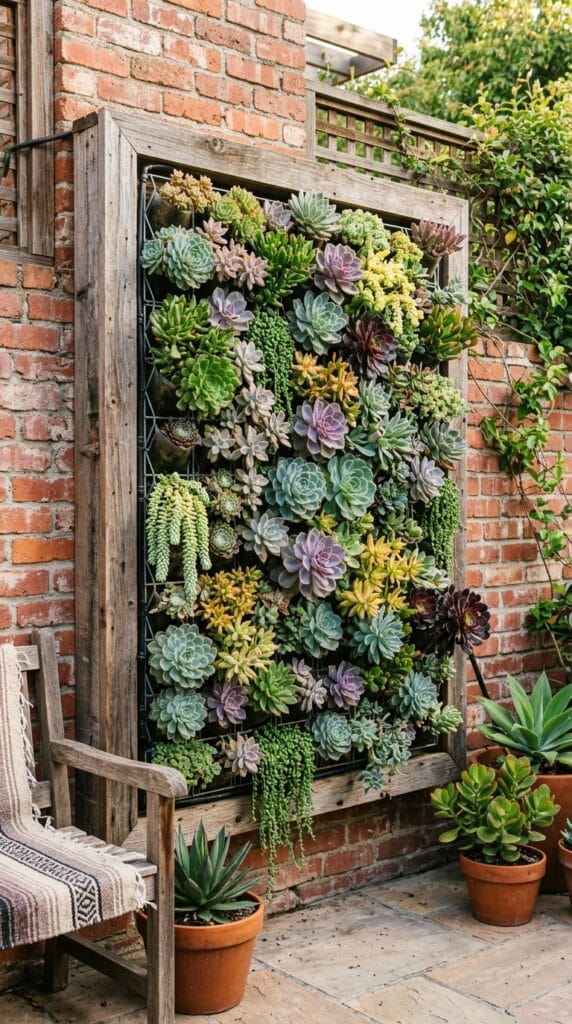
When floor space is limited, go up. A vertical succulent wall mounted against your house turns a blank surface into living art. These water-wise plants come in crazy varieties—from jade green to purple-tinged beauties—and they’re nearly impossible to kill if you don’t overwater them.
Setup tips:
- Use pre-made vertical planters or DIY with repurposed pallets
- Choose a sunny wall (south or west-facing works best)
- Water sparingly—like, once every two weeks sparingly
- Mix textures and colors for visual interest
One YouTube budget makeover I watched transformed a boring wall with $30 worth of succulent cuttings and an old wooden frame. The result? Better than most gallery walls I’ve seen indoors.
3. Herb Garden Central
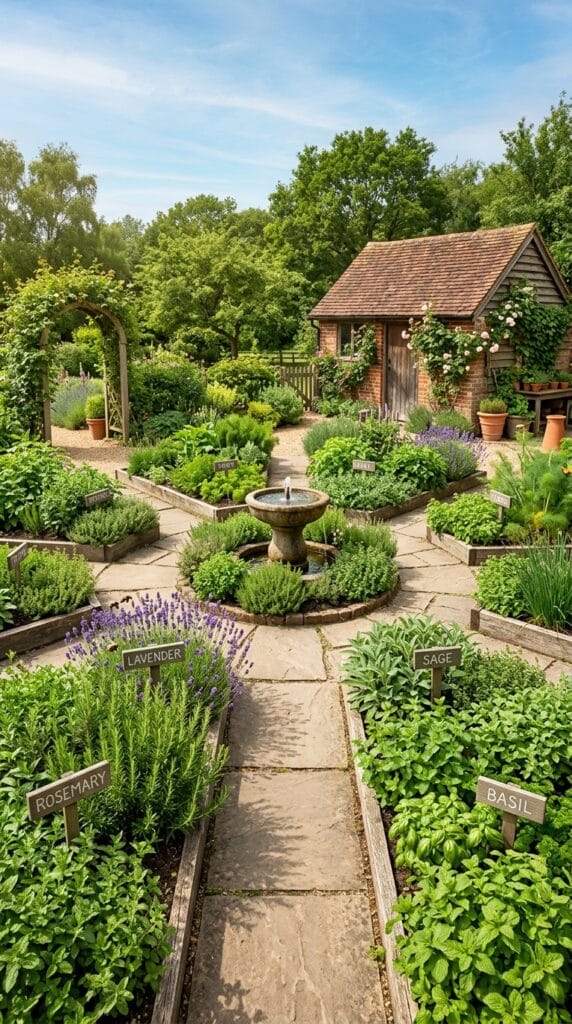
Look, if you’re getting sun in your side yard, you might as well grow something useful. A dedicated herb garden with raised beds or containers gives you fresh basil, rosemary, thyme, and oregano right outside your kitchen door (assuming your side yard connects to the back where normal people have kitchen access).
Build or buy narrow raised beds—18 inches wide works perfectly in tight spaces. Add a small potting bench or shelf for tools, and suddenly you’ve got a functional garden center instead of a wasted corridor. Plus, fresh herbs make you feel like a fancy chef even when you’re just making spaghetti.
4. Ornamental Grass Border
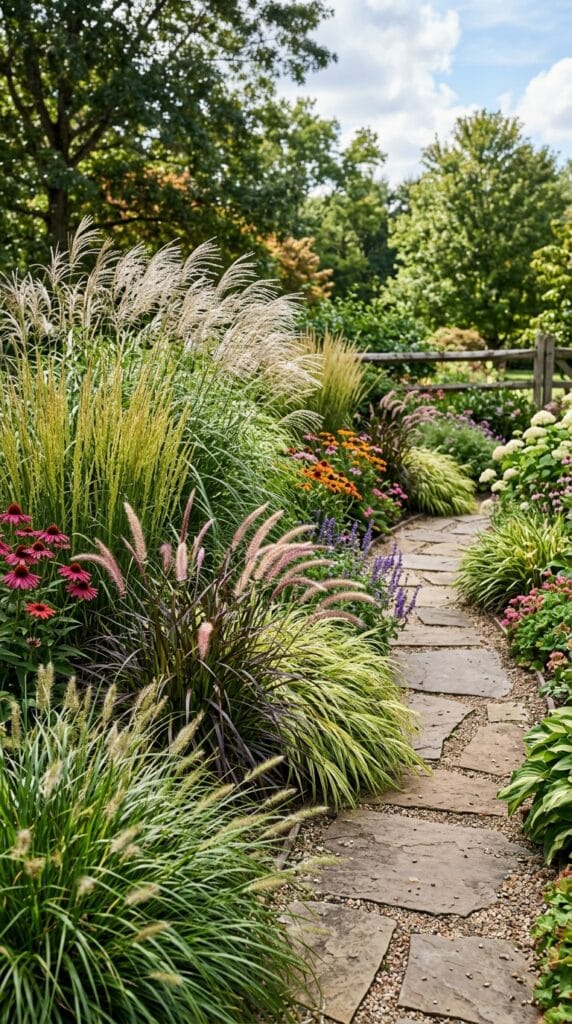
If you want movement and texture without constant maintenance, ornamental grasses are your MVP. Varieties like fountain grass, blue fescue, or maiden grass create that soft, swaying effect that makes your side yard feel intentional. They’re also super forgiving—minimal water, no fussy pruning, just an annual trim-back.
Line them along your pathway or use them to soften hard edges where your house meets the ground. They fill space beautifully without looking cluttered, which is kind of the holy grail for narrow areas.
5. Putting Green Paradise
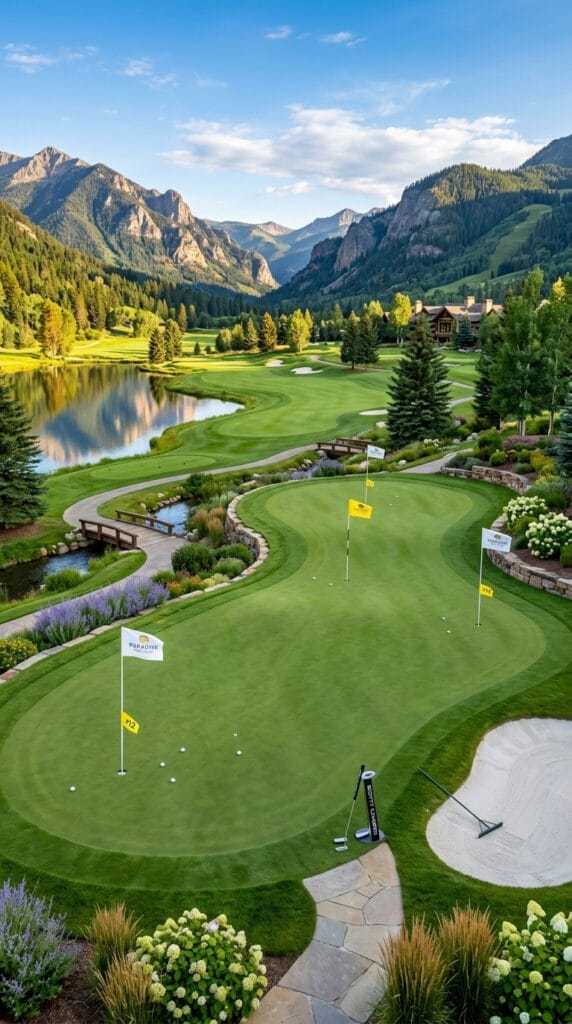
Okay, hear me out. If you’ve got kids (or you’re a kid at heart), installing a narrow putting green in a sunny side yard is actually genius. Synthetic turf technology has come a long way—it looks realistic, drains well, and requires zero water or mowing.
One homeowner I saw online created a mini-golf course along their 6-foot wide side yard with obstacles and everything. Cost? About $300 for materials. Entertainment value? Priceless. Plus, it solves the “what do we do with this weird space” problem in the most fun way possible.
For Shady Side Yards (When Sun’s Not in the Cards)
6. Fern and Hosta Haven
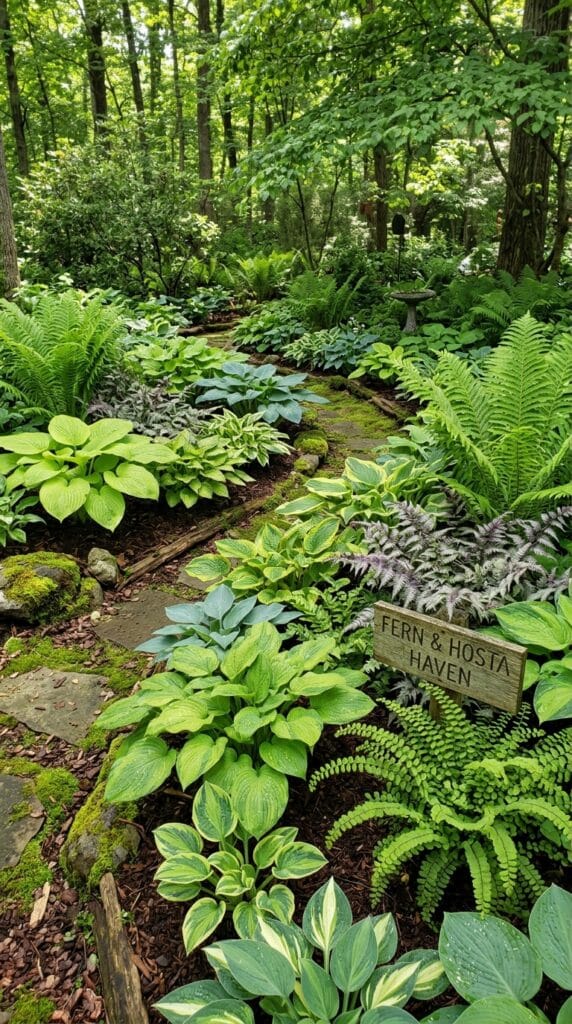
Shade-loving plants get a bad rap for being boring, but have these people seen a properly styled hosta garden? These lush, leafy beauties thrive in low light and come in varieties ranging from tiny miniatures to dinner-plate sized statement makers.
Pair them with ferns—maidenhair, ostrich, or Japanese painted ferns—and you’ve got a woodland vibe that feels secret-garden magical. Add stepping stones winding through them, and suddenly your shady side yard becomes the kind of path you’d see in a home magazine.
Pro tip: Layer different hosta sizes and colors (blue, gold, variegated) for depth. Plant them in spring, and they’ll fill in by summer.
7. Ivy-Covered Privacy Screen
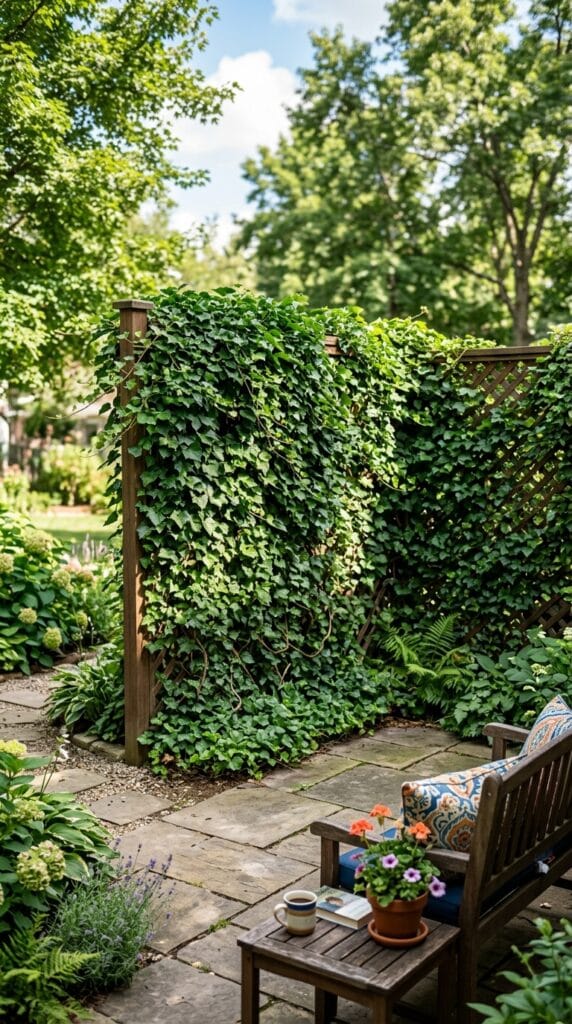
If your side yard feels like a fish bowl with your neighbor’s windows staring down at you, fast-growing ivy on a trellis or fence creates instant privacy. English ivy, Boston ivy, or even less aggressive options like climbing hydrangea work beautifully in shade.
Yes, ivy gets a bad reputation for being invasive (and it absolutely can be), so choose your variety carefully or opt for well-behaved alternatives. But for quick, green privacy screening that doesn’t require much light? Hard to beat.
8. Mossy Zen Garden
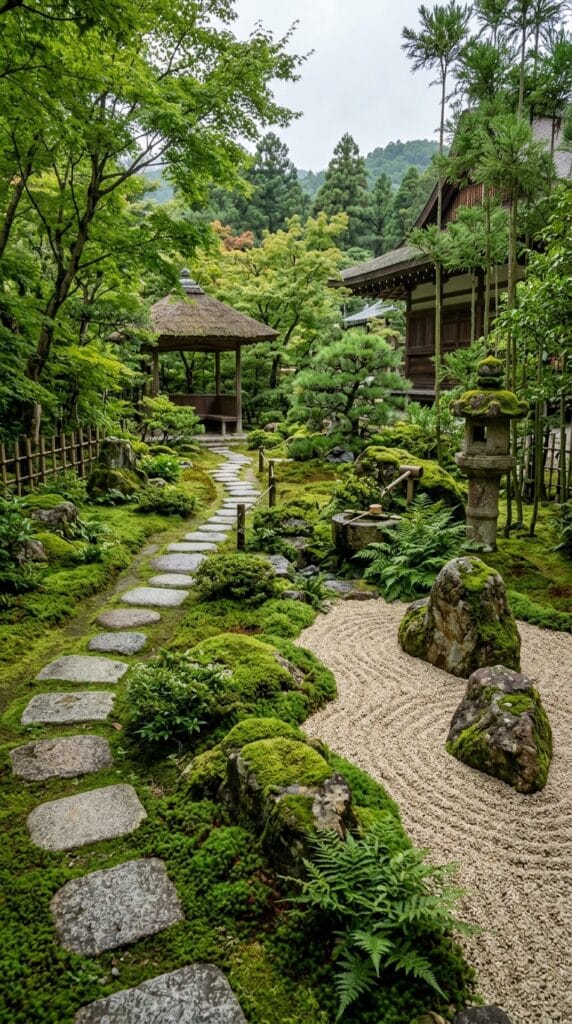
This is for the minimalists out there. Instead of fighting to grow grass in deep shade (spoiler: you’ll lose), embrace moss. Create a Japanese-inspired zen garden with moss groundcover, carefully placed rocks, and maybe a small water feature. Rake patterns into pebbles for that meditative vibe.
It sounds fancy, but moss is actually stupidly easy to grow in shady, moist conditions—exactly what most side yards offer. Zero mowing, minimal maintenance, maximum calm. Just mist it during dry spells and watch it spread.
For Any Side Yard (Sun, Shade, or Somewhere Between)
9. Statement Pathway

Let’s talk about the elephant in the room—or rather, the path in the side yard. You need one for access, so why not make it interesting? Forget boring concrete slabs.
Path options that actually look good:
- Flagstone steppers with groundcover creeping between them
- Brick herringbone pattern for classic charm
- Mixed-size pavers in gray or sandstone tones
- Decomposed granite bordered by steel edging for a modern look
- Hopping concrete pavers spaced for a playful rhythm
One YouTube transformation I watched featured a guy who offset his central path to one side, widening the planting bed along the house. Brilliant move—it made the space feel intentional rather than just “we put a path down the middle because where else would it go?”
10. Vertical Garden Wonderland
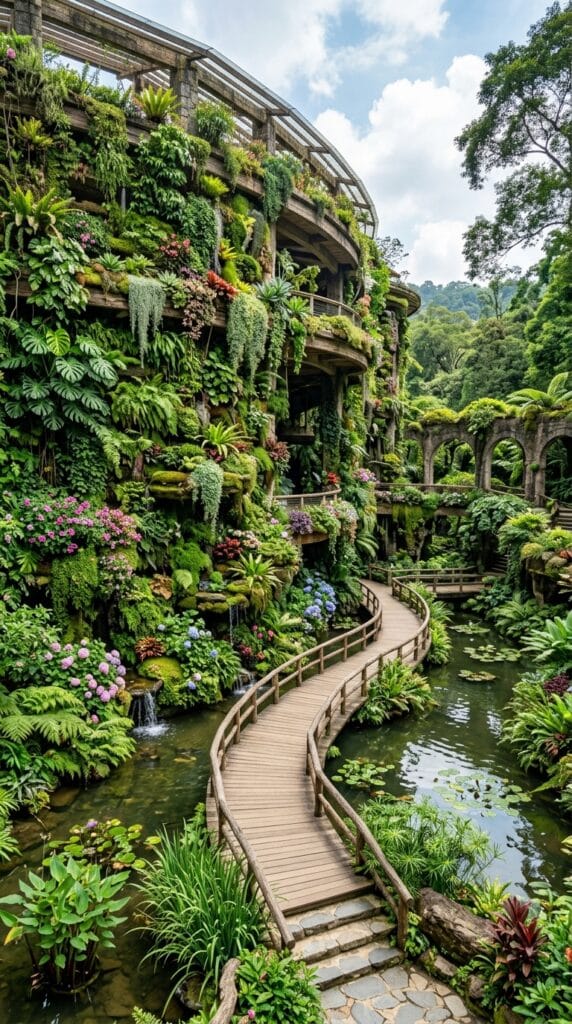
Whether you’ve got sun or shade, going vertical maximizes planting space without eating up precious floor width. Wall-mounted pockets, hanging planters, staghorn ferns on boards, trellises with climbing vines—these all draw the eye upward and make narrow spaces feel lush.
I saw one homeowner mount old gutters horizontally on their fence and use them as planters for lettuce and herbs. Cost? Maybe $20. Coolness factor? Off the charts. FYI, this works for both sunny and shady walls depending on what you plant.
11. Container Garden Central
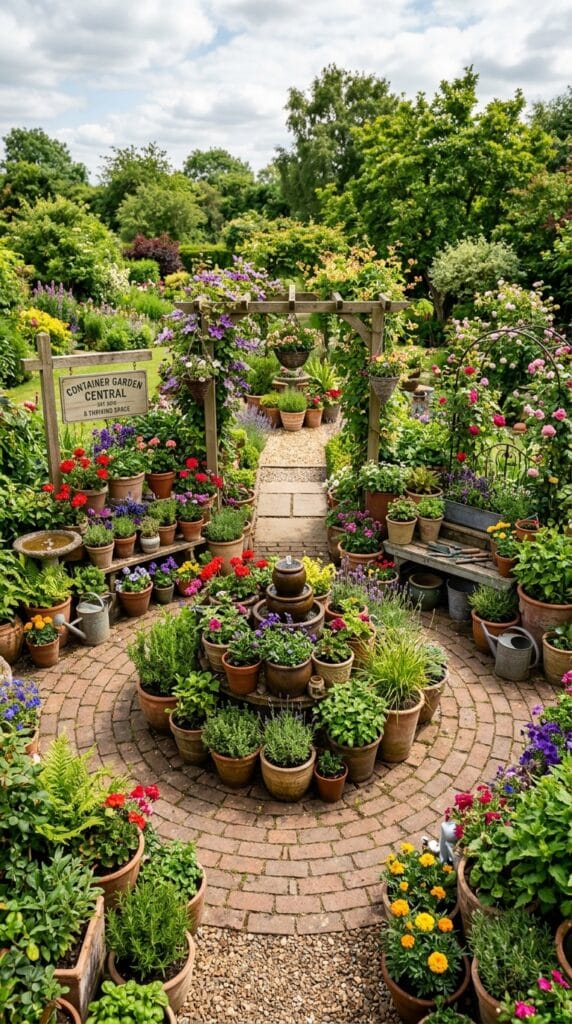
Pots are the ultimate side yard hack. They’re flexible, movable, and let you grow plants that wouldn’t normally work in your soil. Group different sizes and heights along your path, and suddenly you’ve got a curated garden look without digging a single hole.
Container wins:
- No need to amend soil or worry about drainage issues
- Easily swap out seasonal plants
- Move them for utility access
- Add instant height with tall planters
- Perfect for renters
One budget makeover I watched cleared out overgrown mess, laid down river pebbles, and styled maybe 8-10 pots of varying sizes. Total weekend project. Total transformation.
12. Outdoor Dining Nook
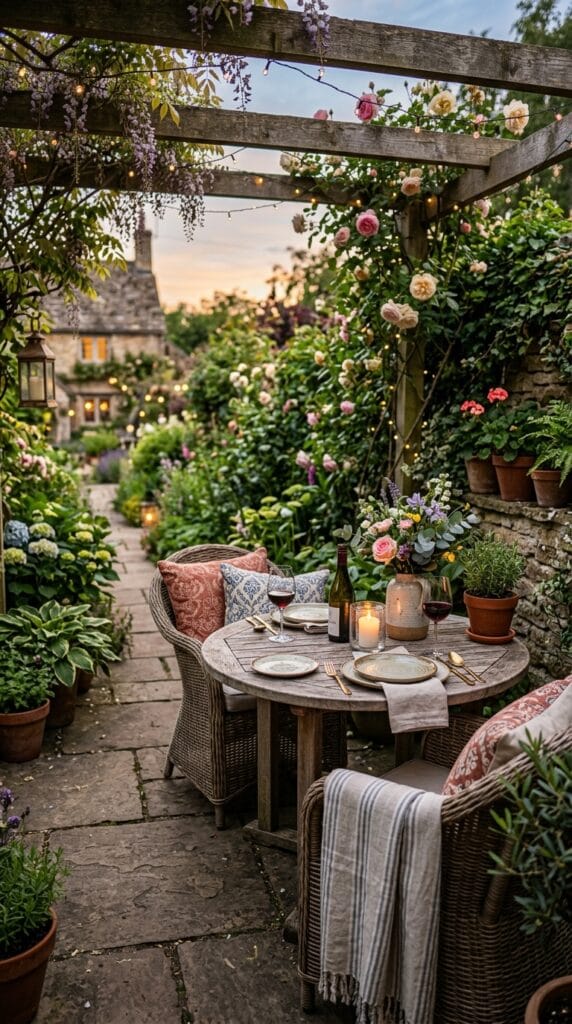
Got a slightly wider side yard (7-8 feet)? Consider creating a narrow dining space. A small bistro table, a couple of chairs, string lights overhead—boom, you’ve got an intimate outdoor eating area that feels more private than your main patio.
Add a pergola overhead for structure and train some vines up it. Suddenly you’re having morning coffee in your secret side garden like some kind of lifestyle blogger. Not gonna lie, I’m jealous of homeowners who pull this off.
13. Screening Hedges for Privacy
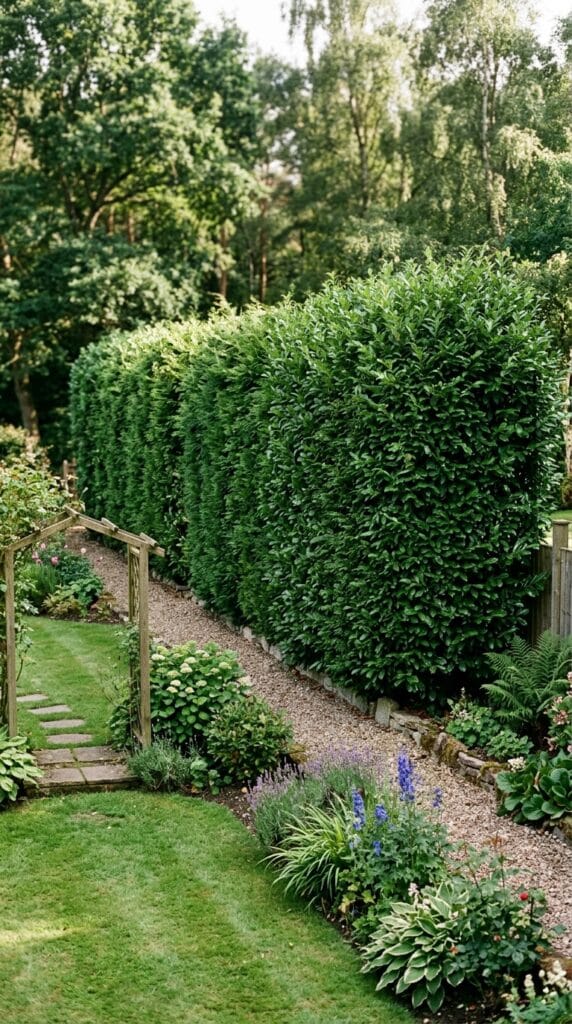
If your side yard borders a neighbor’s property or a street, strategic planting of narrow, upright hedges creates privacy without taking up tons of space. Look for varieties that grow up rather than out—think boxwood columns, skip laurel, or bamboo (in containers to control spread, please).
One garden channel featured a homeowner who shifted their path to one side and planted a dense hedge row on the other. The result? A green wall that blocked views and noise while keeping the pathway functional. Smart thinking.
14. Potting and Storage Station
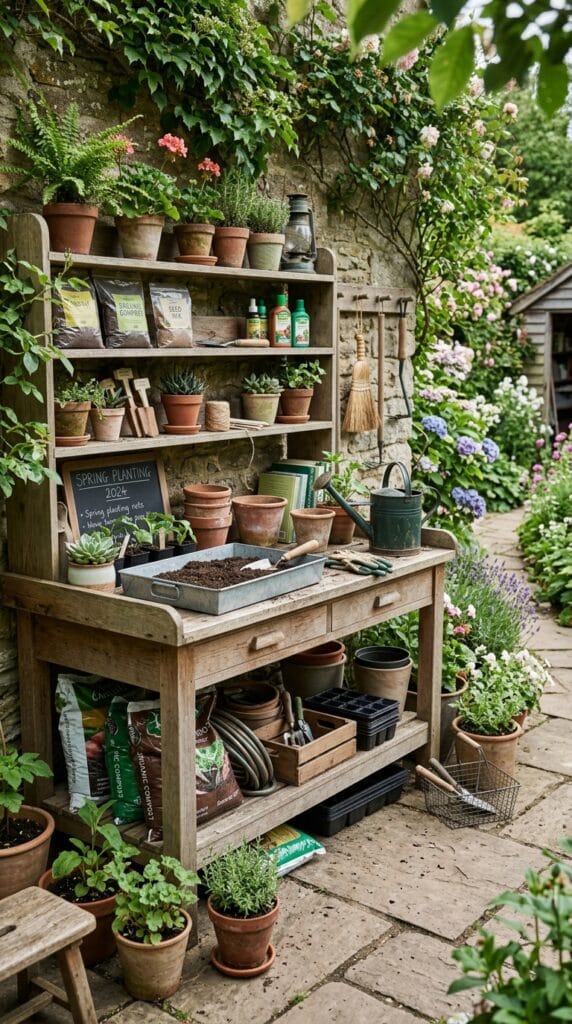
Be practical for a second. Most of us need somewhere to store garden tools, potting soil, and that collection of empty pots we swear we’ll use someday. A shady side yard is perfect for a compact potting station—maybe a table made from pallets, some wall-mounted hooks, and organized bins.
It’s not glamorous, but having a dedicated workspace for garden tasks means you’ll actually do them instead of making excuses. Plus, you can style it with plants and make it look intentional rather than like outdoor storage vomit.
15. Dog Run Corridor
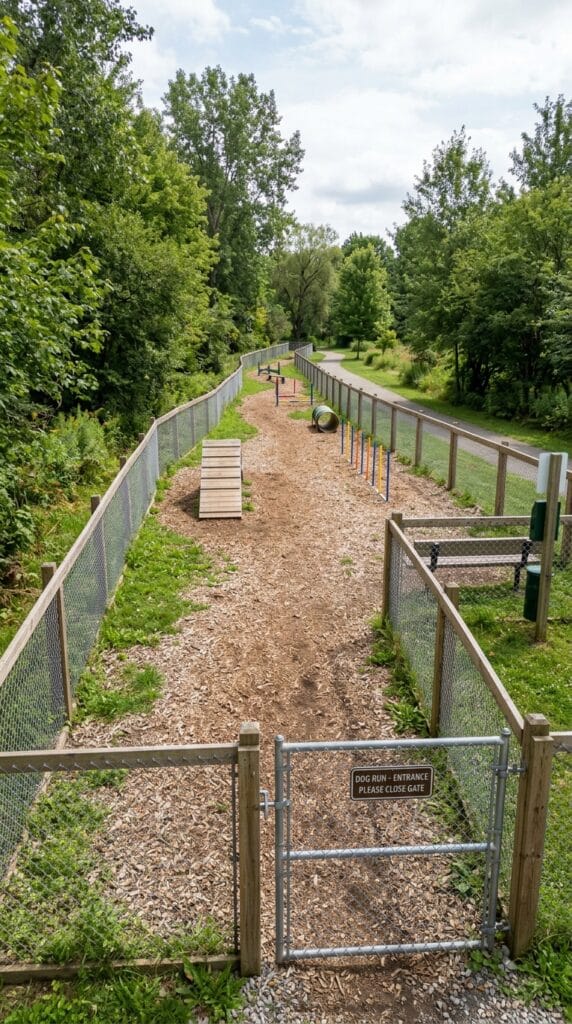
Pet owners, this one’s for you. A fenced side yard with durable surfaces (decomposed granite, pea gravel, or artificial turf) makes an excellent dog run. Add some simple agility elements or just give your pup a dedicated space to zoom around without destroying your main yard.
Make sure you’ve got shade options and fresh water, and suddenly your side yard becomes your dog’s favorite place. One homeowner I saw even added a doggie door directly to the side yard—their golden retriever looked thrilled.
Bringing It All Together: Your Game Plan
Feeling overwhelmed by options? Yeah, I get it. Here’s how to actually make this happen without losing your mind.
Step 1: Assess Your Space Honestly
Grab a tape measure and actually measure your side yard width. Track sun exposure throughout one full day. Note any obstacles like AC units, meters, or downspouts that need to stay accessible. Take photos from multiple angles—trust me, looking at pics later helps you visualize changes.
Step 2: Pick Your Priority
What do you need most? Privacy? A functional path? Somewhere to put plants? You can’t do everything in a 4-foot wide space, so choose your main goal and let other elements support it. Trying to cram in every idea leads to cluttered chaos.
Step 3: Start With Hardscaping
Get your path situation sorted first. This is your foundation—literally. Whether it’s pavers, gravel, or stepping stones, nail down the walking surface before you start planting. Otherwise you’ll end up stepping on baby plants while trying to install pavers, and that’s just sad.
Step 4: Layer in Plants
Choose plants appropriate for your light conditions. Start with larger foundational plants (hedges, larger perennials) and fill in with smaller ones. Remember: even the best design looks sparse the first year. Plants need time to fill in. Be patient (easier said than done, I know).
Step 5: Add the Fun Stuff
Lighting, containers, decorative elements—these finishing touches make your side yard feel designed rather than functional. Solar path lights are stupid easy to install and make nighttime navigation way better. String lights add ambiance if you’ve got overhead structure to hang them from.
Real Talk: Budget Considerations
Let’s talk money because that matters. You can absolutely DIY a side yard makeover for under $500 if you’re strategic. Here’s how costs typically break down:
| Element | DIY Budget Range | What You Get |
|---|---|---|
| Pathway Materials | $100-300 | Gravel, stepping stones, or budget pavers for a 20-foot path |
| Plants | $50-200 | 10-15 starter plants or 5-7 larger specimens |
| Containers | $30-100 | Mix of sizes from discount stores or repurposed finds |
| Lighting | $40-80 | Solar path lights or string light set |
| Soil & Mulch | $30-60 | Bags to amend planting areas |
| Total | $250-740 | Complete basic transformation |
The YouTube makeovers I watched averaged around $300-500 for dramatic before-and-after results. The key? Doing the labor yourself and choosing plants that multiply or spread naturally so you buy less upfront.
Want to go fancier with pergolas, water features, or professional installation? Cool, but expect costs to jump into the thousands. IMO, start simple and add elements as budget allows.
Common Mistakes That’ll Haunt You
Learn from other people’s failures (including mine). Here are the side yard sins I see repeated constantly:
Ignoring Drainage: That side yard might look dry, but where does water go when it rains? Creating drainage problems leads to foundation issues and dead plants. Make sure your design slopes away from the house and doesn’t create pooling areas.
Wrong Plants for Light Conditions: I cannot stress this enough. Sun plants in shade = death. Shade plants in sun = death. Check the tag. Believe the tag. Don’t think you’re the plant whisperer who’ll prove the tag wrong. You’re not. 🙂
Blocking Utility Access: You will need to get to that AC unit. The meter reader will need to access that box. Plan pathways and plantings accordingly, or you’ll be ripping stuff out later when things break.
Overcrowding: That cute 6-inch hosta? It’ll be 3 feet wide in two years. Space plants according to their mature size, not their nursery size. Yes, it looks sparse initially. Yes, you’ll thank yourself later.
Forgetting Irrigation: Unless you enjoy dragging hoses through narrow spaces constantly, plan for irrigation—even if it’s just drip lines on timers. Your plants (and your sanity) will appreciate it.
Plant Cheat Sheet for Narrow Spaces
Because I’m nice, here’s a quick reference for what actually works in side yards:
Sunny Side Yards – Top Performers
- Lavender – Fragrant, drought-tolerant, purple flowers
- Ornamental grasses – Fountain grass, blue fescue for movement
- Succulents – Hens and chicks, sedums for zero-maintenance color
- Herbs – Rosemary, thyme, oregano for edible landscaping
- Yarrow – Hardy perennial with flat flower heads
Shady Side Yards – Best Choices
- Hostas – Huge variety, fills space beautifully
- Ferns – Japanese painted, autumn, ostrich for texture
- Heuchera (Coral bells) – Colorful foliage in burgundy, lime, purple
- Astilbe – Feathery plumes in pink, white, red
- Vinca minor – Groundcover with purple flowers (non-invasive type)
Any Light – Flexible Friends
- Creeping Jenny – Golden groundcover for path edges
- Ajuga – Low carpet with blue flower spikes
- Native violets – Soft groundcover alternative to grass
- Climbing hydrangea – Shade-tolerant vine for walls
- Boxwood – Narrow hedge varieties for screening
Inspiration From Real Transformations
The best part about researching this article? Watching regular homeowners nail these projects. No fancy landscape crews—just people with vision and weekend time.
One guy cleared years of overgrown shrubs from his dark 5-foot side yard, laid down river pebbles, added some potted ferns and solar lights, and called it done. Total cost? Under $300. Total time? One weekend. The comments section blew up with people inspired to tackle their own neglected spaces.
Another transformation featured someone who’d been dumping yard waste in their side yard for years (guilty as charged?). They cleared it out, installed simple stepping stones through low groundcover, and added a few strategically placed boulders. Suddenly it looked like a professional Japanese garden path. The trick? They left space between stones for plants to creep through, creating that integrated look instead of plants vs. hardscape competition.
My favorite featured a family who converted their sunny side yard into an herb and veggie garden using stacked cinder blocks as raised beds. Minimal cost, maximum productivity. Their kids now help harvest basil and tomatoes before dinner. That’s making outdoor space work hard for you.
Your Side Yard, Your Canvas
Here’s the thing about side yards—they’re forgiving spaces to experiment with. Nobody expects them to be Instagram-perfect. The bar is literally “better than trash cans and weeds.” You’re already winning if you make any intentional improvement.
Start small if the whole project feels overwhelming. Maybe just improve the pathway this month. Add some containers next month. Layer in plants when you’re ready. Progress beats perfection every time.
And look, not every idea on this list will fit your space, budget, or style. That’s totally fine. Cherry-pick what resonates, adapt it to your specific situation, and make it yours. The goal isn’t to follow a template—it’s to transform wasted space into something functional and maybe even pretty.
Your side yard doesn’t need to be a forgotten alley where recycling bins go to die. With a little creativity and probably less money than you’d spend on a fancy dinner out, you can turn it into a space that actually adds value to your home and your life.
Now quit reading and go measure your side yard. You’ve got a transformation waiting to happen. 🙂
This product works extremely well. It wetly improves my tennis by a lot.
this product is papery.
I tried to attack it but got meatball all over it.
i use it daily when i’m in my outhouse.
It only works when I’m Chad.
one of my hobbies is baking. and when i’m baking this works great.
My co-worker Bryton has one of these. He says it looks ragged.