
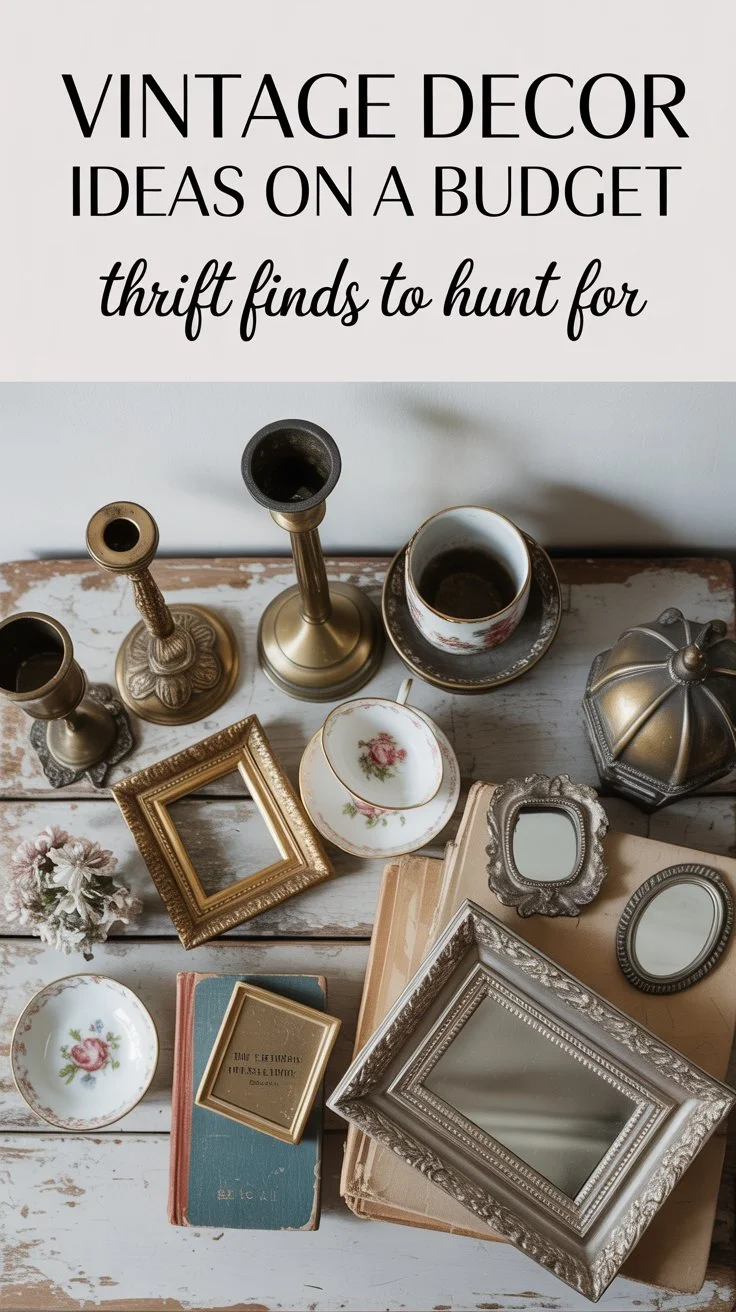
You want that layered, “collected over time” look without torching your bank account, right? Same. I love how vintage decor gives a room instant soul, and I respect any find that costs lunch money but looks gallery-worthy. You don’t need luck to score great pieces. You just need a plan, a shortlist, and a few tricks that help you move fast and avoid duds.
Ready to thrift smarter and style better? Let’s map out exactly what to grab, what to skip, what to pay, and how to make each piece look intentional in your space.
Why thrifted vintage decor works (and looks expensive)
Vintage decor brings real materials, classic lines, and a patina you can’t fake. You grab history, not just a trend. And when you shop secondhand, you stretch your budget like crazy.
Ever notice how a single brass lamp or an old mirror can anchor a room? That’s not an accident. Those pieces carry weight—visually and literally. They ground newer items and make everything read more curated.
- You get quality materials like solid wood, wool, brass, and real glass.
- You add texture and contrast without clutter.
- You tell a visual story with fewer, better items.
IMO, one strong vintage piece can do more for a room than three new fast-decor buys. You spend less, you get more character, and your home stops feeling cookie-cutter.
What to bring and when to shop
I keep a tiny kit so I can make fast decisions and avoid “well, maybe?” moments.
- Soft tape measure: Note sofa arm height, console width, and wall space before you go.
- Small flashlight: Check drawer interiors, cabinet backs, and rug corners.
- Baby wipes or microfiber cloth: Clear away dust so you can see finishes.
- Reusable totes: You avoid juggling glassware like a circus act.
- Color palette screenshot: Match frames, textiles, and ceramics to your scheme.
Now for timing: thrift stores move inventory fast. You win when you shop smart.
- Go Mon/Tue mornings after donation-heavy weekends.
- Hit color-tag discount days for big markdowns.
- Check the store’s Instagram for restock windows.
- Scan rolling carts heading to the floor—ask nicely before browsing.
You don’t need hours. You need timing and a list.
How to spot quality in 30 seconds
You don’t need a carpenter’s license. Use simple checks and trust your gut.
- Flip it: Look for solid-wood backs, dovetail drawers, and even finishes.
- Wiggle it: Minor wobble? Fine. Major sway? Hard pass unless you love repairs.
- Sniff it: Strong mildew or smoke odors cling forever. Skip those headaches.
- Scan surfaces: Watch for deep veneer bubbles, peeling finishes, and warped tops.
You want weight, stability, and intact structure. If you need to wrestle it just to test a drawer, keep walking.
The thrift-find hit list (15 pieces that never fail)
These items always pull more than their weight. I’ll give you what to look for, target prices, quick cleanups, and styling tips so nothing sits in a corner “waiting for inspiration.”
1) Solid wood dressers and chests
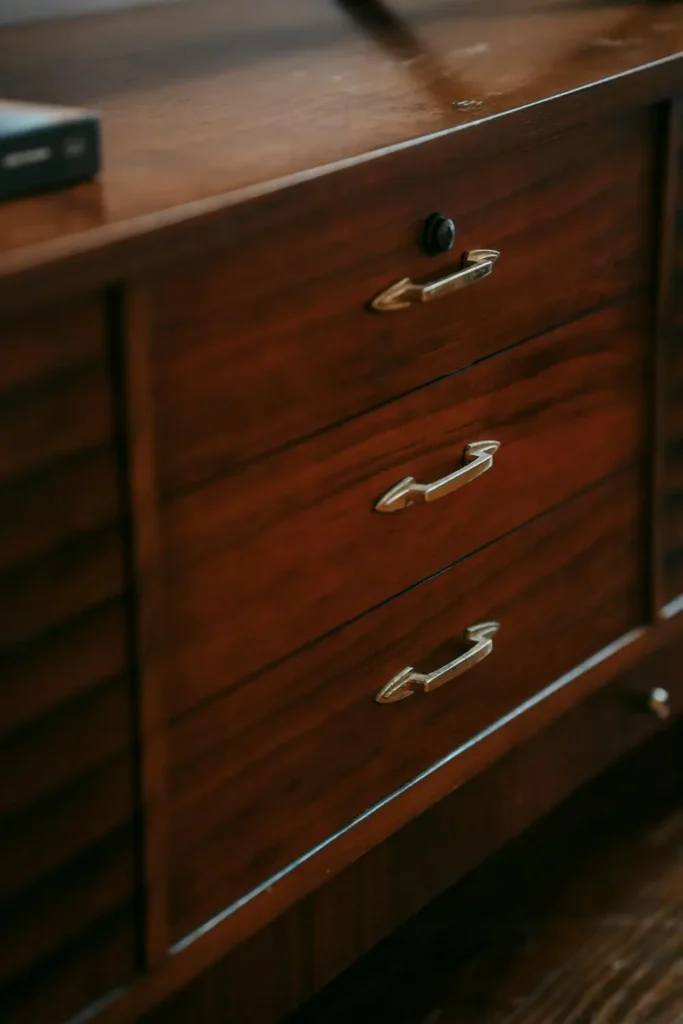
- Look for: dovetail joints, wood backs (not MDF), intact veneer, smooth drawers.
- Pay: $25–$80 depending on size and condition.
- Clean: Wipe with mineral spirits, then feed the wood with a conditioning wax.
- Style: Use as an entry console or TV stand; add a big lamp and oversized art. You create storage and a focal point in one move.
2) Side tables and wooden stools
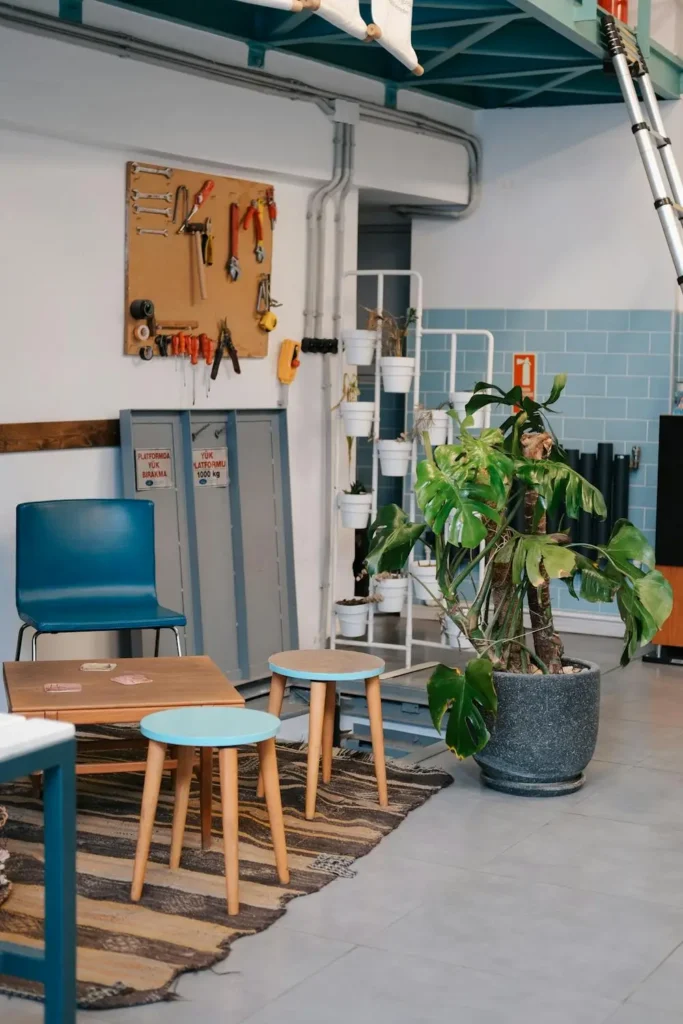
- Look for: MCM tapered legs, cane panels, marble or stone tops, nesting sets.
- Pay: $8–$30.
- Clean: Tighten screws; hide scratches with a wood-toned scratch cover.
- Style: Pair two mismatched tables for charm, or use a wood stool as a plant stand.
3) Mirrors (gilt, bamboo, Federal, beveled)
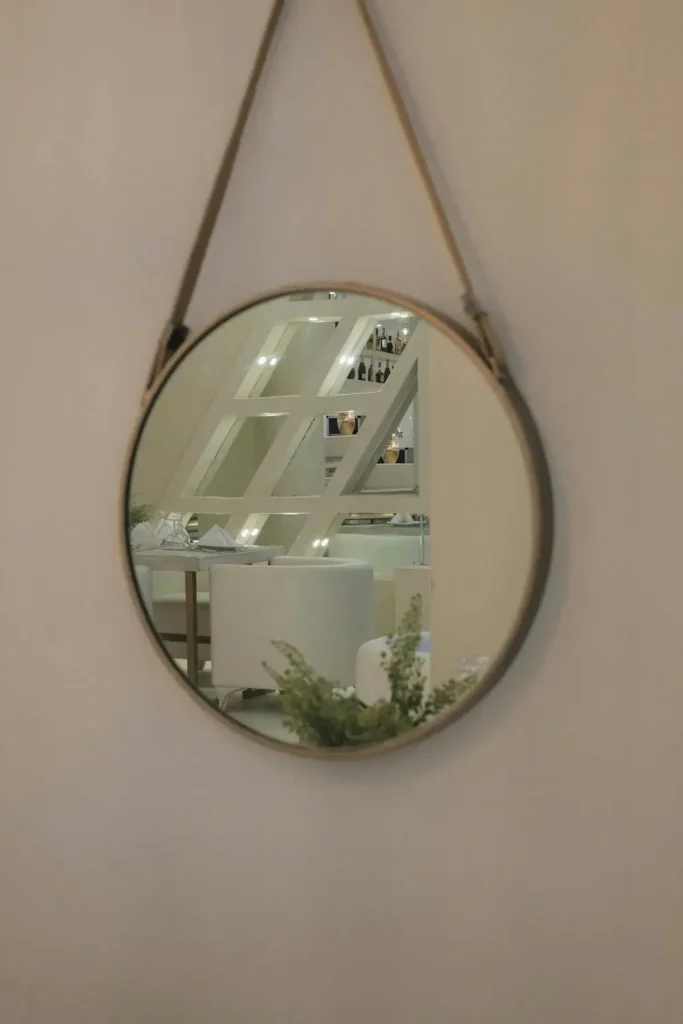
- Look for: heavy glass, tight frame corners, soft foxing that reads romantic.
- Pay: $10–$40.
- Clean: Glass cleaner on the mirror; a little gilding wax on scuffed frames.
- Style: Hang over a mantel or layer small mirrors as a light-boosting collage.
4) Lamps (brass, ceramic ginger jar, alabaster)
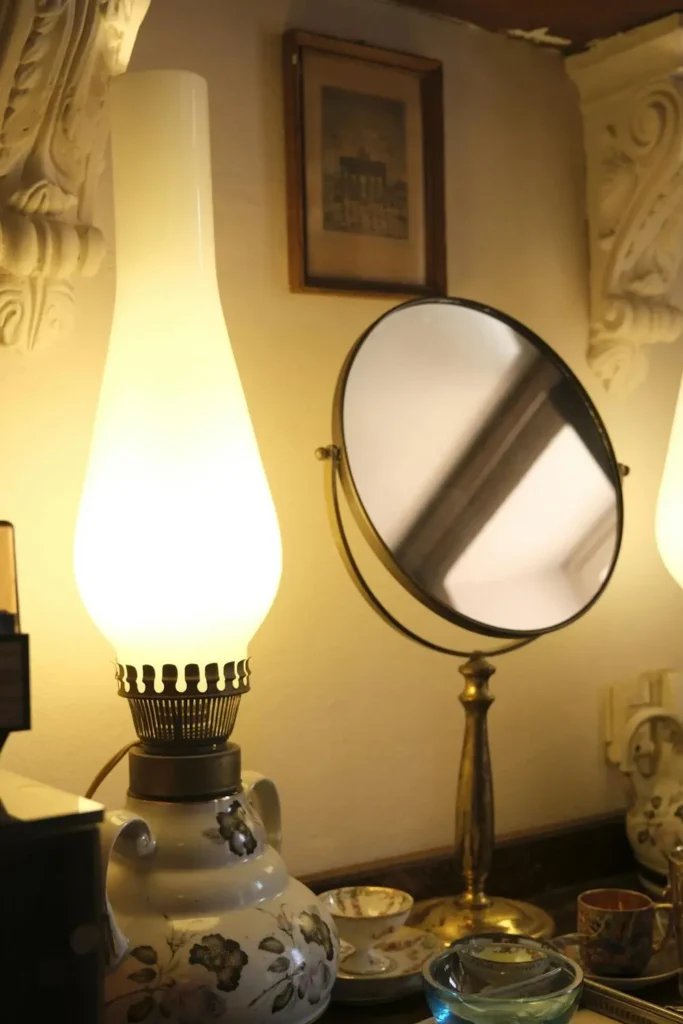
- Look for: heavy base, intact harp/finial, classic silhouettes.
- Pay: $6–$25 for bases, $2–$8 for shades.
- Clean: Polish brass; swap a tired drum shade for a crisp pleated one.
- Style: Mix lamp shapes, match finishes, and use 2700K warm bulbs for a cozy glow.
5) Picture frames and original art
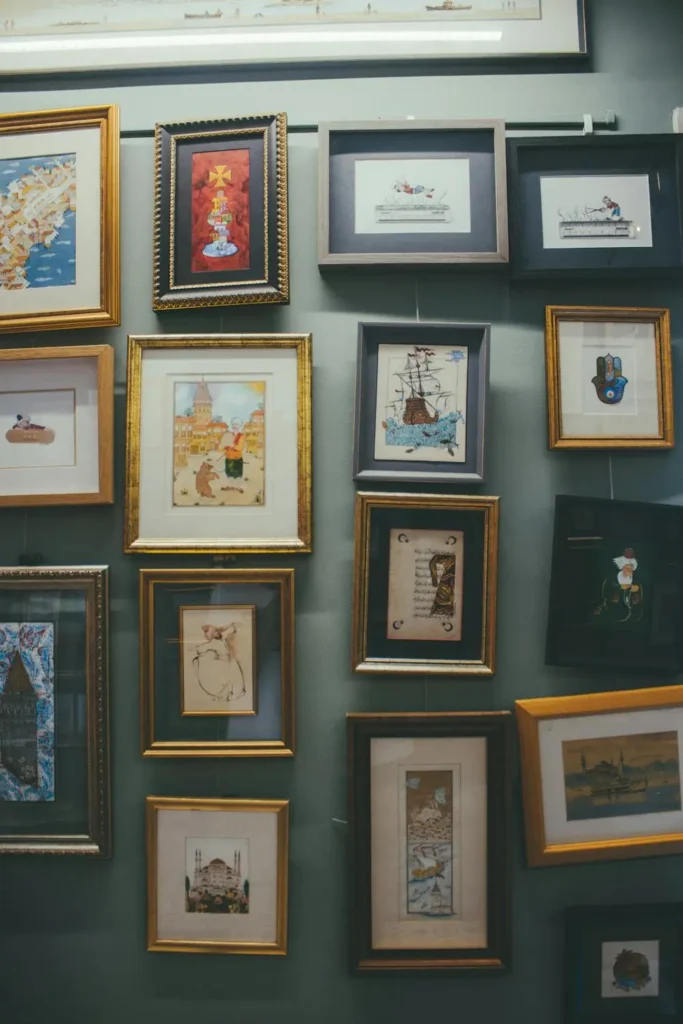
- Look for: old wood frames, ornate details, real brushstrokes, needlepoint, landscapes.
- Pay: $1–$8 for frames; $5–$20 for small art.
- Clean: Wash glass; refresh corners with gilding wax; replace bent tabs.
- Style: Build a gallery wall with frames in one tone for cohesion, then mix artwork types.
6) Brass and silverplate (candlesticks, trays, bowls)
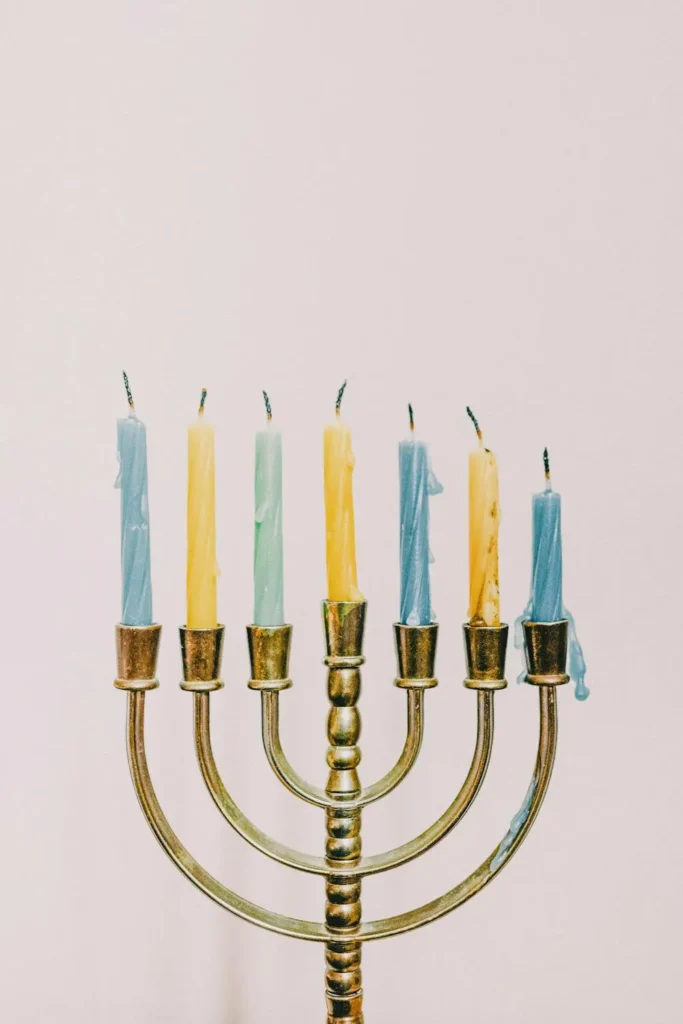
- Look for: weight; magnet won’t stick to solid brass; timeless shapes.
- Pay: $2–$12 each.
- Clean: Use Brasso or Bar Keepers Friend; keep some patina for depth.
- Style: Cluster candlesticks in odd numbers; use trays to corral remotes and matches.
7) Barware (coupes, cut crystal, decanters)
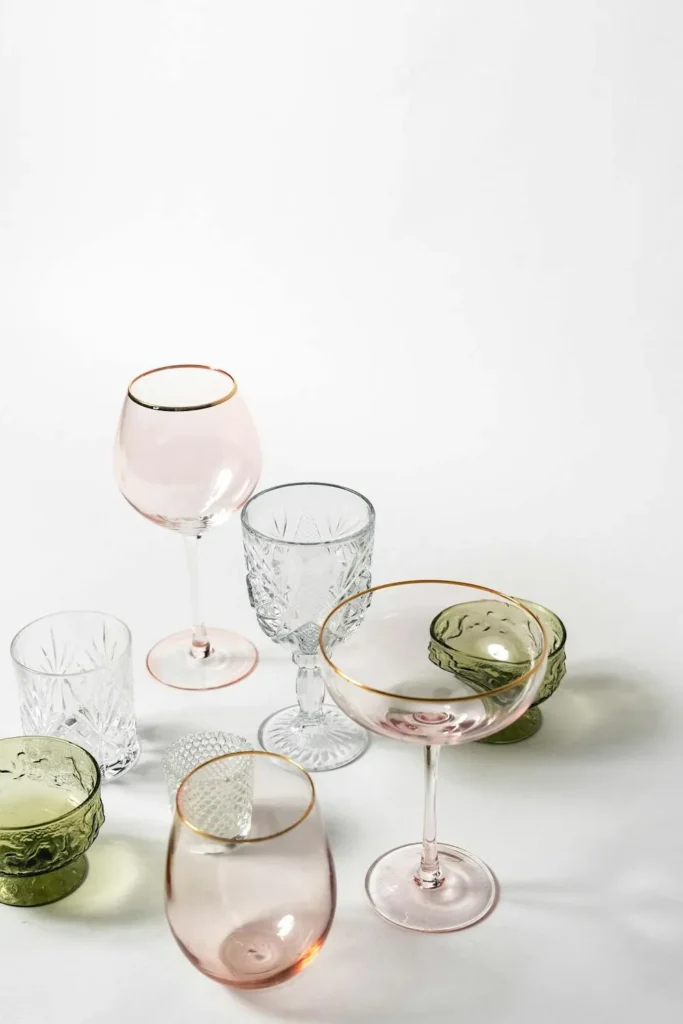
- Look for: intact stoppers, etched patterns, sets of 2–6.
- Pay: $1–$3 per glass; $6–$15 per decanter.
- Clean: Soak in warm soapy water with a splash of vinegar.
- Style: Build a small bar vignette with a tray, a bud vase, and tongs.
8) Colored glass and vases (amber, green, blue)
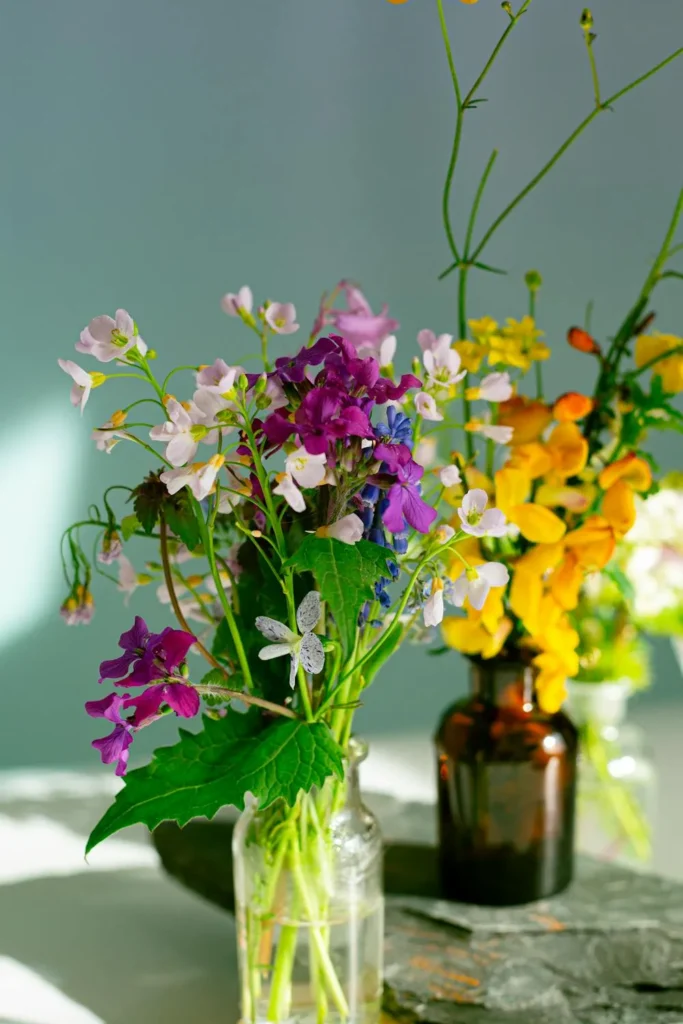
- Look for: thick glass, unique silhouettes, graduated heights.
- Pay: $1–$6.
- Clean: Remove sticky residue with a little oil; scrub interiors with a bottle brush.
- Style: Cluster by color on shelves or windowsills for an instant mood.
9) Textiles (wool blankets, quilts, vintage linens)
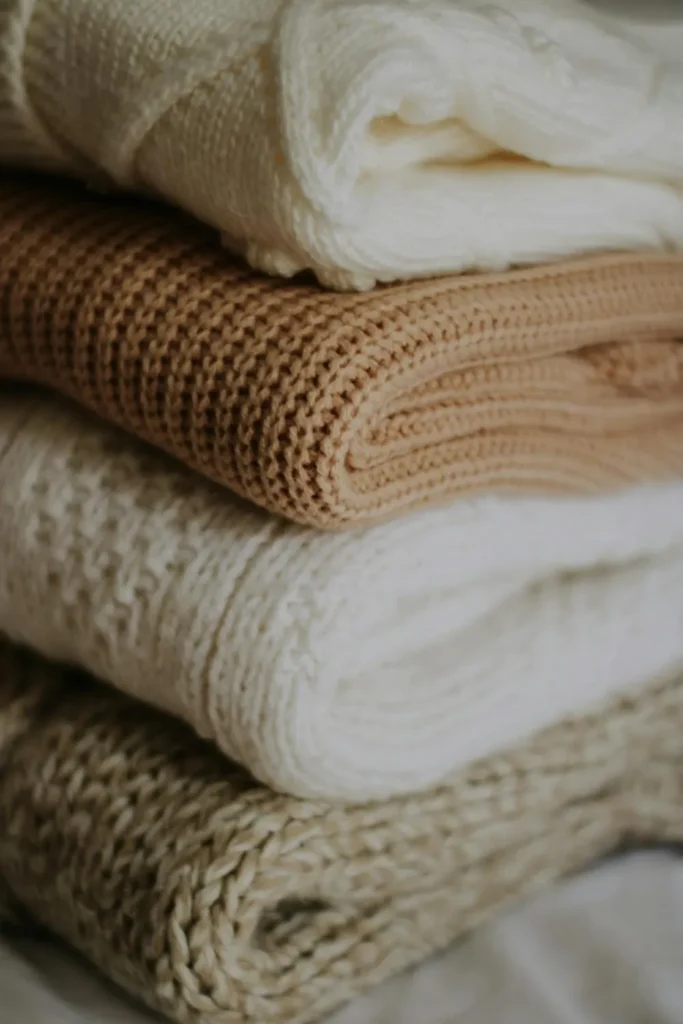
- Look for: natural fibers, hand-stitching, intact fringe or binding.
- Pay: $3–$25.
- Clean: Soak with oxygen bleach; line dry; shave pills with a sweater tool.
- Style: Drape throws across armchairs; fold quilts at bed ends; frame a standout tea towel.
10) Baskets and trays (rattan, seagrass, picnic)
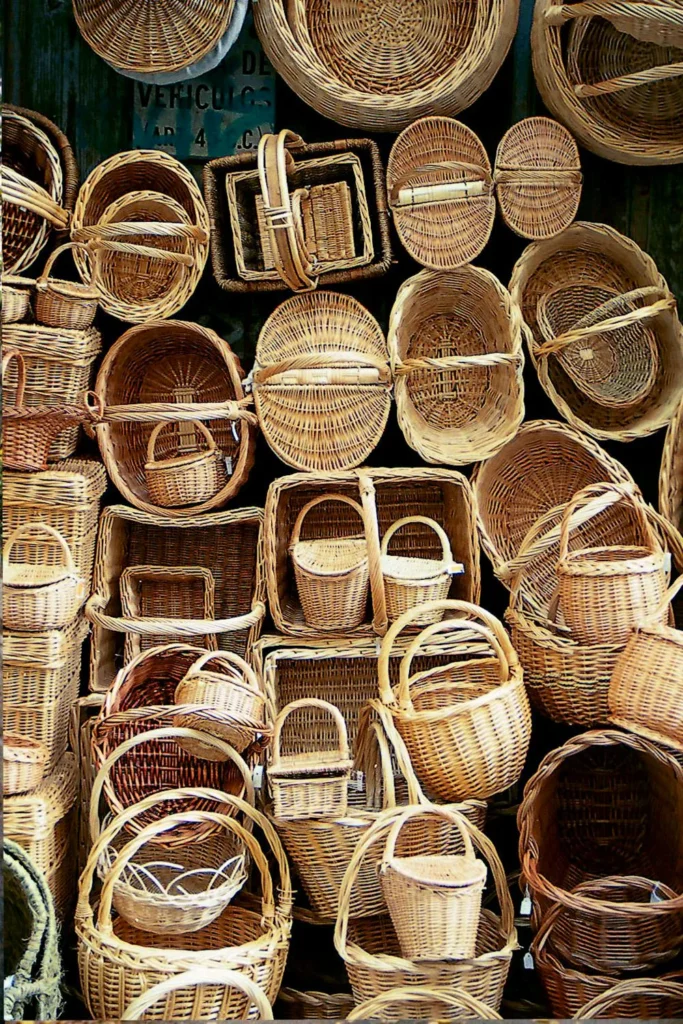
- Look for: tight weave, sturdy handles, lids, oversized round trays.
- Pay: $2–$10.
- Clean: Vacuum, wipe with a damp cloth, then sun-freshen.
- Style: Hide cords, style coffee tables, or create a 3-piece basket wall.
11) Vintage books
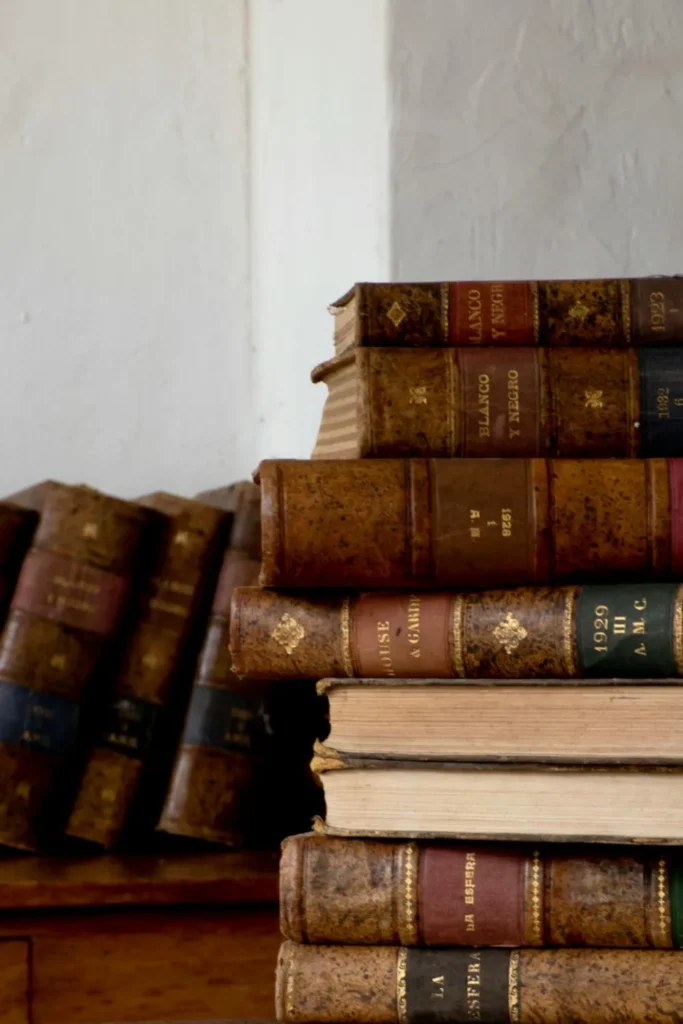
- Look for: clothbound spines, botanical subjects, cohesive color stories.
- Pay: $1–$3 each.
- Clean: Dust with a soft brush; air out in indirect sun.
- Style: Stack for lamp height; group by color; face a few pages-out for texture.
12) Pottery and planters (McCoy, Haeger, terracotta)
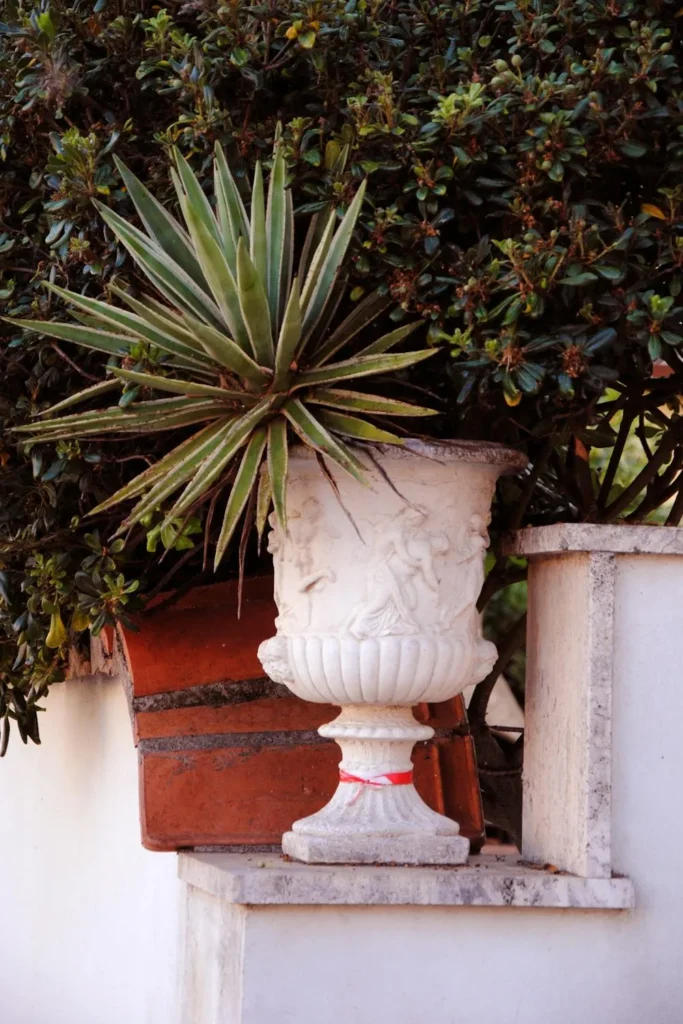
- Look for: drainage holes, no hairline cracks, maker’s marks if you spot them.
- Pay: $2–$12.
- Clean: Scrub mineral deposits; seal raw terracotta with clear matte sealer.
- Style: Mix sizes in threes; add a trailing plant for movement and height.
13) Cast iron and enamel cookware (Wagner, Griswold; Dansk Kobenstyle)
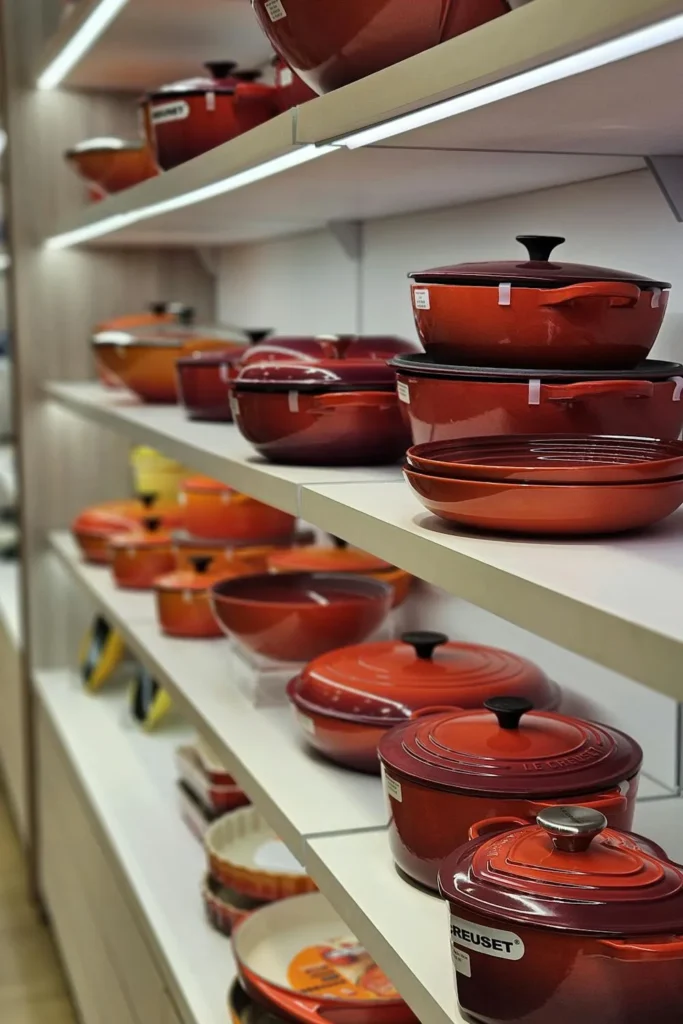
- Look for: flat bottoms, readable logos, minimal interior chips on enamel.
- Pay: $5–$25.
- Clean: Strip and re-season cast iron; polish enamel with BKF; dry thoroughly.
- Style: Hang cookware on a rail or display on a pot rack—instant kitchen character.
14) Rugs (wool, Persian-style, kilim)

- Look for: tight weave, 100% wool tags, hand-tied fringe.
- Pay: $15–$60 for small rugs and runners; larger sizes vary.
- Clean: Shampoo gently; send delicate pieces to a pro.
- Style: Layer a smaller vintage rug over a larger neutral flatweave for depth.
15) Vintage suitcases and trunks
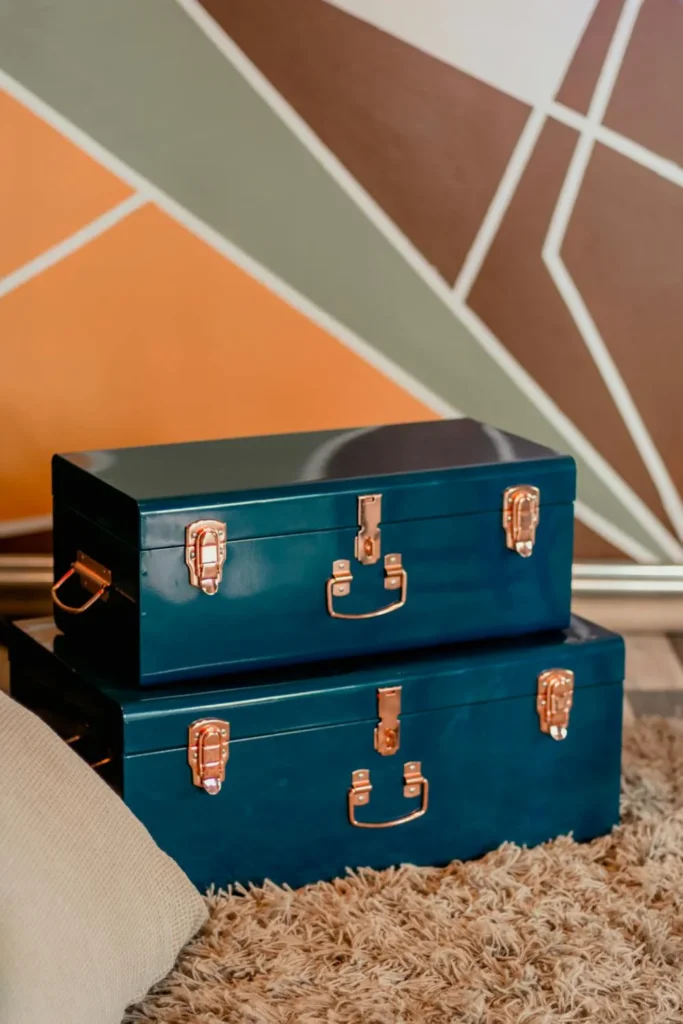
- Look for: clean interiors, intact hardware, flat tops for stacking.
- Pay: $8–$25.
- Clean: Wipe with diluted white vinegar; neutralize odors with baking soda.
- Style: Stack as a nightstand or entry table; stash linens or seasonal gear inside.
Ever felt that little jolt when you spot the good stuff on a rolling cart? Use this list and grab with confidence. You won’t second-guess your haul in the parking lot 🙂
Style formulas that never fail
You don’t need a stylist. You just need a few simple formulas that keep vignettes from looking messy.
- Coffee table: Tray + books + organic element + one shine (metal or glass).
- Mantel: Tall lamp or candlesticks + centered mirror + small art layered.
- Entry console: Lamp + large art + bowl/tray for keys + greenery.
- Shelf styling: Books vertical + books horizontal + small sculptural piece.
Repeat a few finishes across the room—say, brass + warm wood + linen—and the space gels without matchy-matchy vibes.
Quick clean-up cheat sheet
You can rescue most finds with basic care. Keep it simple and safe.
- Wood: Wipe with mineral spirits; condition with Feed-N-Wax; swap knobs for a fast glow-up.
- Brass/silverplate: Polish gently; rinse and dry completely; leave light patina for depth.
- Glass/Crystal: Soak in warm soapy water with a splash of vinegar; use a bottle brush for necks.
- Textiles: Pre-soak with oxygen bleach; air dry; de-pill; mend small tears by hand.
FYI: Dry everything fully before styling. Moisture traps odors and invites problems you don’t want.
Budget game plan: three $100 room refreshes
You want quick wins. Try these plug-and-play combos and watch your room change in an afternoon.
- Living room warmth: Mirror ($35) + side table ($30) + brass candlesticks ($8) + vintage books ($9) + wool throw ($15). You create a focal point and cozy texture without a single paintbrush.
- Entry upgrade: Small dresser ($70) + lamp + shade ($25) + small art ($5). You add storage, light, and personality the second you walk in.
- Bar cart moment: Tray ($8) + 4 coupes ($8) + decanter ($12) + small vase ($4) + colored bottle ($6). You set a vibe that says “welcome” even on a Tuesday.
Common mistakes to avoid
Great styling often comes down to what you don’t do. I see the same pitfalls pop up, and they’re easy to fix.
- Over-collecting smalls: You don’t need twenty tiny trinkets. Anchor with a few larger pieces.
- Ignoring scale: A dainty lamp looks lost on a long console. Use taller lamps or pair two.
- Color chaos: Pick a tight palette. Repeat 2–3 colors across textiles, art, and accessories.
- Fixation on labels: Maker’s marks help, but condition and shape matter more.
- Skipping measurements: Measure first. You can’t will a too-wide dresser to fit your entry.
Ever wonder why some rooms feel “calm” even with lots of stuff? They repeat shapes and colors with discipline. You can do the same with thrifted finds.
Honest comparisons that save money
Let’s clear up a few myths and save your budget.
- Solid brass vs. brass-plated: Solid brass costs more but ages beautifully. Plated brass can flake if you over-polish. If you plan to keep it long-term, solid brass wins. If you want the look for less, plated still serves a vibe.
- MDF vs. solid wood: Solid wood survives moves and repairs. MDF chips and swells with moisture. Choose solid wood for dressers and side tables when possible.
- Drum shades vs. pleated shades: Drum shades feel modern and clean. Pleated shades add texture and a traditional wink. Swap shades to steer the entire look without changing the base.
- Real art vs. printed art: Originals and needlepoint add soul and texture. Prints can still look great if you choose heavier paper and better frames. Mix both for balance.
You control the mix. When you balance age + texture + scale, you make budget decor read high-end.
Safety and red flags (don’t skip this)
You can chase deals without inviting problems home.
- Strong odors, active mold or mildew, heavy smoke smells: skip.
- Flaking pre-1978 paint: Treat it as potential lead. Don’t sand. Use safe refinishing methods or pass.
- Upholstery with suspicious seams: Watch for pests or hidden damage. When in doubt, leave it.
- Cracked cords on lamps: Rewire or skip. You don’t need a fire hazard for a $10 save.
You want clean bones and safe finishes. Repairs can wait; hazards can’t.
Mini checklist (screenshot this)
- Bring: tape measure, flashlight, wipes, totes, palette screenshot.
- Check: flip, wiggle, sniff, and look for solid construction.
- Pay ranges: Dressers $25–$80; Mirrors $10–$40; Lamps $6–$25; Frames $1–$8; Rugs $15–$60.
- Style formula: odd numbers + varied heights + shine + soft + organic.
- Palette: Repeat 2–3 finishes and 2–3 colors across the room.
Ever wondered why this simple formula works so reliably? It gives your eye a rhythm to follow, so the room feels intentional and calm.
FAQs (fast answers you actually need)
How do I clean thrifted textiles safely?
Start with a dry brush or vacuum. Pre-soak with oxygen bleach, then wash gently and air dry. Test colorfastness first. You avoid shrinkage and keep fibers happy.
How do I test furniture quality without tools?
Flip small pieces. Look for dovetail joints, real wood backs, and even drawer movement. Push from different angles to test stability. If it sways like a palm tree, pass.
Should I negotiate?
You can try at flea markets and charity shops. Bundle items and ask politely. If the price already feels fair, pay and celebrate the score.
How do I keep my mix from feeling cluttered?
Use repeatable elements. Keep a consistent palette, vary scale, and edit tiny knick-knacks. Anchor each vignette with one substantial piece and build around it.
Conclusion: build a home that tells your story (for less)
You don’t need perfect luck or endless time to score vintage decor on a budget. You need a clear list, a few quality checks, and simple styling formulas that make every piece earn its place. You’ll stretch your dollars, cut visual noise, and create a home that feels collected and personal.
Start with one category on your next run—maybe mirrors or lamps—and build from there. Trust your eye, follow the checklist, and grab the good stuff when you see it. Your home will thank you. So will your wallet. And hey, if you snatch that perfect brass lamp for $12, I support that victory dance in the aisle—quietly, of course 😉