
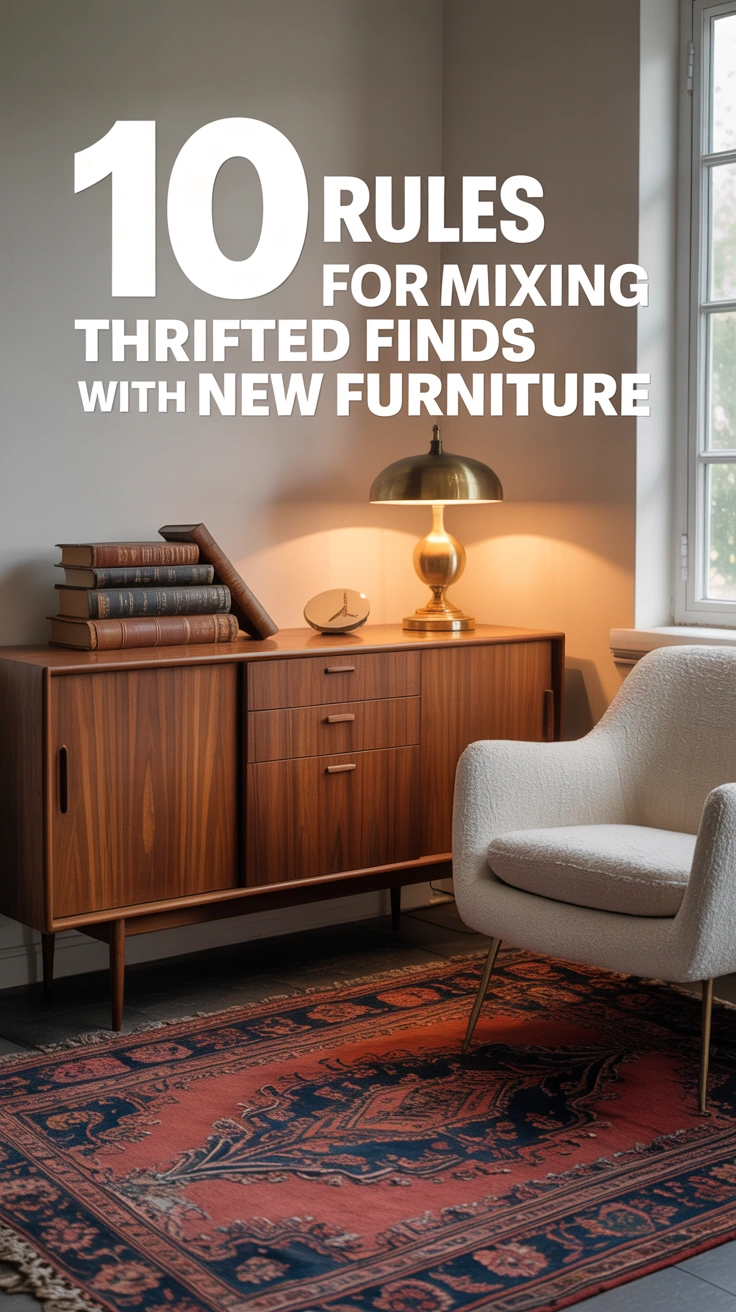
Okay, real talk—have you ever walked into someone’s living room and instantly felt like you were home, even though nothing matched on paper? That magic almost always comes from someone who knows how to mix thrifted gems with brand-new pieces without the room screaming “yard sale” or “showroom.” I’ve been chasing that vibe for fifteen years, and I’m finally ready to spill the rules that actually work. No gatekeeping here, just the good stuff.
Rule 1: Pick One Era to Be the Loudest
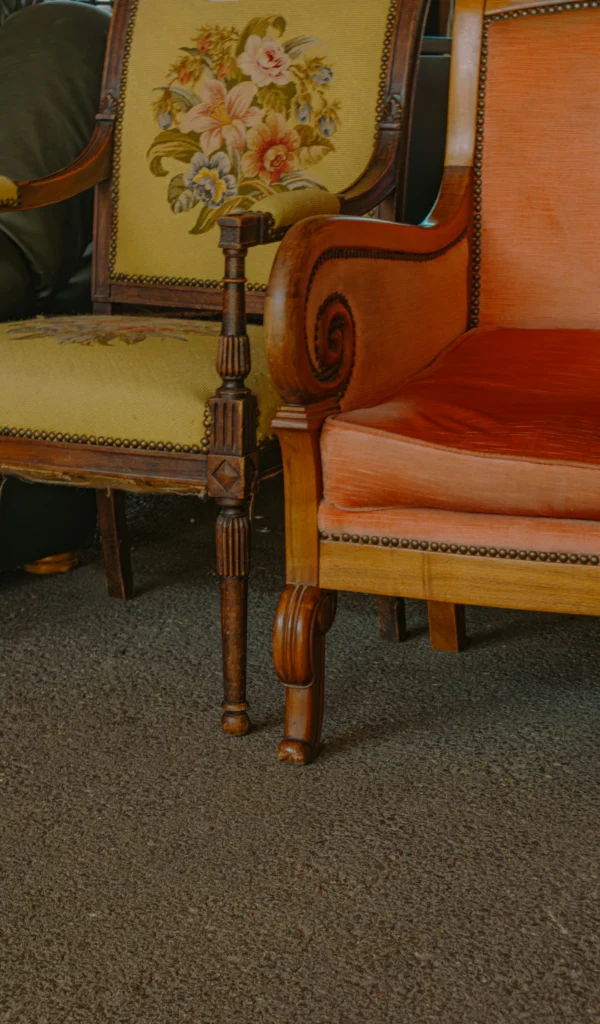
Your room needs a boss. If mid-century modern is the vibe you’re obsessed with, let it shout while everything else whispers. I once let a 1970s rattan peacock chair and a Victorian velvet settee fight for attention in the same corner. Spoiler: everybody lost, including my dignity. Now I choose one star era (right now I’m deep in 1960s Danish everything) and let the other pieces play backup singers. Suddenly the thrift-store brass crane I paid $12 for looks intentional next to my new boucle sofa instead of random.
Rule 2: Let New Furniture Do the Heavy Lifting
Listen, that $40 thrifted dresser might be solid wood gorgeous, but it’s not holding your 75-inch TV without a prayer and some serious reinforcement. Buy the big, boring, functional pieces new—sectionals, bed frames, dining tables that seat actual humans. Then go wild with the thrifted side chairs, lamps, and art. Your back (and your marriage) will thank you when you’re not shimmying a wobbly 1920s sideboard under a mounted television at 11 p.m. again.
Rule 3: Scale Is Everything, Stop Ignoring It
Nothing kills a vibe faster than a dainty antique side table drowning next to a massive modern sectional. Or worse—a giant farmhouse table making your new slim-line credenza look like it’s playing dress-up in daddy’s suit. Stand in your space like a weirdo and hold your arms out. That’s how you feel scale before you buy. I still have PTSD from the time I brought home a 6-foot-wide 1950s headboard for our 9-foot bedroom wall. It looked like the bed was eating the room. Learn from my pain.
Rule 4: Repeat Materials Like Your Life Depends On It
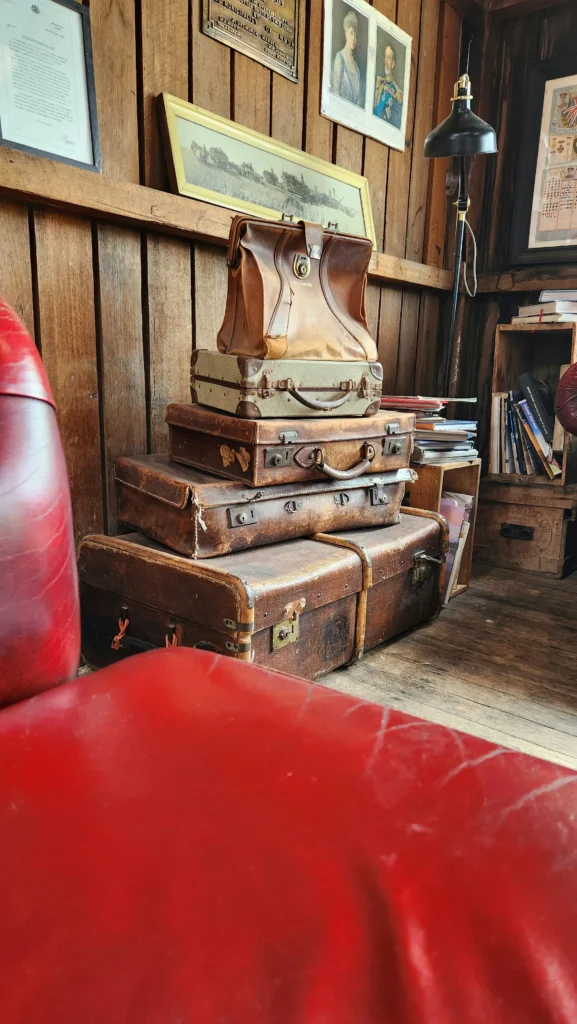
This is the cheat code nobody talks about. Brass on the thrifted lamp? Make sure your new curtain rod or cabinet pulls have brass too. Walnut thrift dresser? Get a walnut-trim mirror or coffee table new. One repeated material ties everything together faster than you can say “cohesive.” My living room currently has brass, oak, and matte black showing up in at least three places each. From ten feet away it looks expensive. Up close it’s 60% Goodwill. Winning.
Rule 5: Embrace the 70/30 Split (or 80/20 if you’re extra)
Here’s the ratio I swear by: 70–80% new/neutral, 20–30% thrifted/vintage. Any more vintage and you’re living in your grandma’s attic (no shade, I love grandmas). Any less and you might as well shop only at West Elm. The vintage pieces get to be the personality; the new stuff is the calm background that makes the personality pop. Think of it like seasoning—too much salt and the whole dish is ruined.
Rule 6: Restore Only What You Love, Not What You Bought
I see you with that $15 “mahogany” dresser that’s actually just sad red stain from 1987. Stop. Don’t refinish every single thing just because you own it. If you don’t love the lines, the hardware, or the vibe, let someone else have it. I’ve wasted entire summers sanding pieces I was “going to love once it was white.” Now I only restore the ones that already make my heart skip a beat. Life’s too short, and Ceruse wax is expensive.
Rule 7: Hide the Sins with Textiles
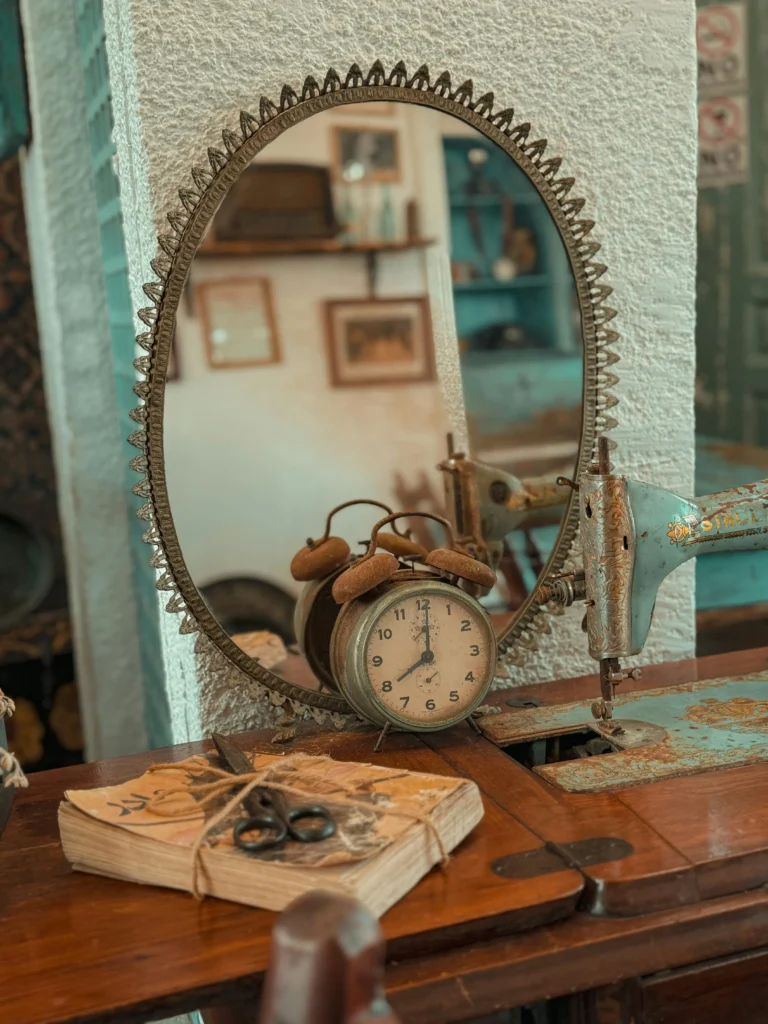
Scratched coffee table? Throw a textured wool blanket over half of it. Wobbly thrift chair? Chunky shearling cushion fixes the look and the comfort. Faded velvet on that gorgeous 1940s settee? A linen slipcover in the exact right greige saves the day. Textiles are the great equalizer. Bonus: they’re way cheaper than therapy for your perfectionist tendencies.
Rule 8: Lighting Is the Ultimate Unifier
If everything else fails, fix the lighting. One killer vintage Murano chandelier plus two sleek new wall sconces plus a thrifted ceramic table lamp with a new linen shade = instant “this person has their life together.” Warm bulbs (2700K max), dimmers everywhere, and multiple light sources. I spent $800 on lighting last year and maybe $400 on furniture. Zero regrets.
Rule 9: Break One Rule on Purpose
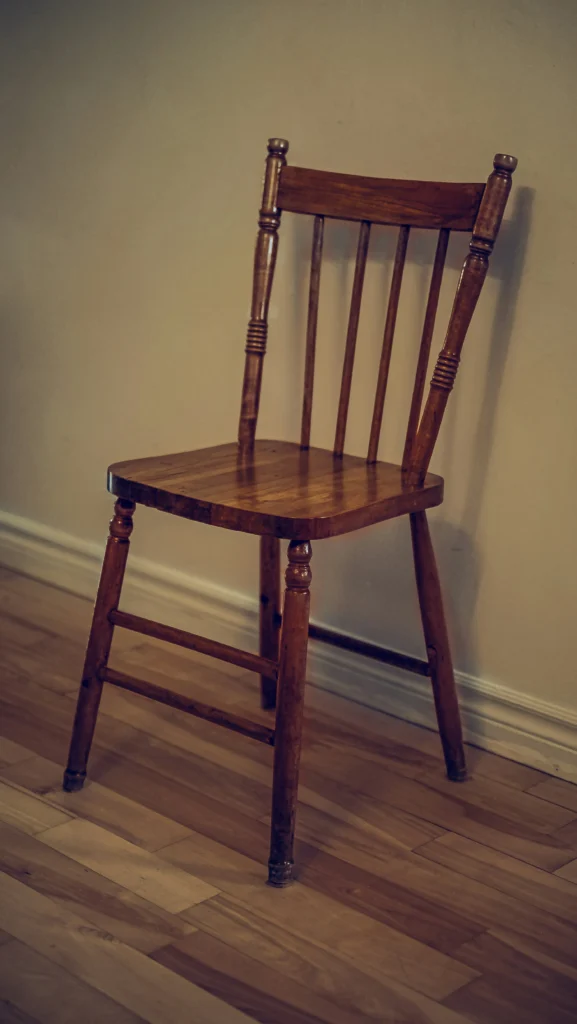
Perfection is boring. Once you’ve nailed the first eight rules, deliberately break one. Put the super ornate gilt mirror above the super minimal fireplace. Let the 1980s floral armchair live proudly next to the cloud sofa. That “mistake” is what stops your house from looking like a Pinterest board and starts it looking like YOU. My current favorite flex is a 1970s smoked-glass-and-brass étagère holding my very Scandi ceramic collection. It shouldn’t work. It works so well I smirk every time I walk past it.
Rule 10: Trust Your Gut, Not the Internet
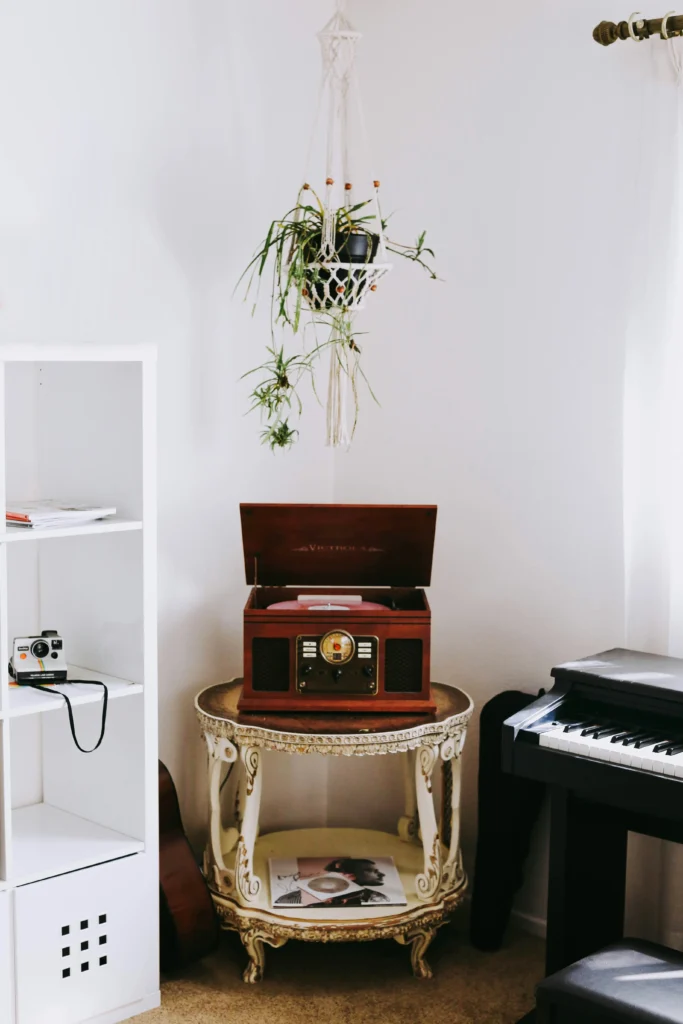
Here’s the secret nobody wants to tell you because it doesn’t sell courses: if you love it, it goes. Trends change, influencers will always have opinions, but your home has to make you happy at 2 a.m. when you’re stress-eating ice cream on the couch. If that weird thrift-store oil painting of a sad clown speaks to you (mine’s a 6-foot-long 1960s abstract that looks like a sunset had too much wine), hang it proudly. Your home, your rules.
So there you go—my ten commandments of modern vintage, hard-won from years of epic wins and truly tragic fails. Start with one room, one rule, one ridiculous thrift find you can’t live without. The magic happens in the mixing, not the matching. Now get out there and make your home look like it’s been collected over time… even if you did it all in one very chaotic weekend. You’ve got this. 🙂