
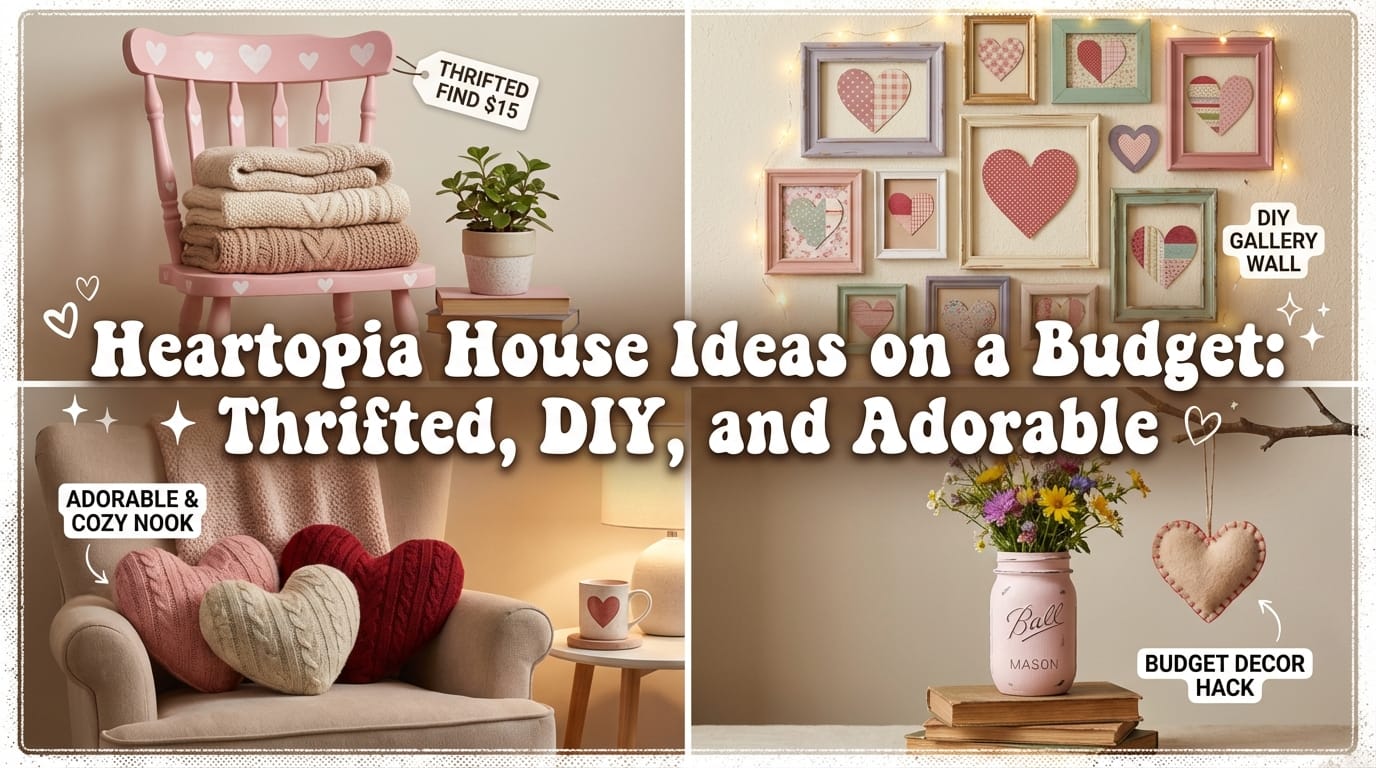
Look, I get it—you want your Heartopia home to look absolutely stunning, but you’re not about to drop a ton of gold or real money just to make it happen. The good news? You totally don’t have to. I’ve discovered that the most charming homes in Heartopia aren’t built with premium purchases; they’re built with creativity, smart repurposing, and a little DIY magic. Think of it like real-world thrifting—you hunt for hidden gems, mix them together, and suddenly you’ve got something that looks way more expensive than it actually was. That’s exactly what we’re doing here, and honestly, it’s way more satisfying than just buying your way to a pretty house 🙂
Why Budget Builds Are Secretly the Most Fun (and Adorable)
Here’s the thing about spending less in Heartopia: it forces you to actually think about design. When you can’t just grab the shiny new furniture set from the store, you get creative. You stack floor panels to make shelves. You repurpose windows as interior displays. You turn columns into table legs. And somehow, these “hacks” end up looking more charming and intentional than cookie-cutter decorated homes.
The players who build the cutest homes aren’t the ones with the biggest wallets—they’re the ones who’ve mastered the art of seeing potential in everyday items. FYI, many of the best builds I’ve seen came from players who deliberately chose budget constraints as a creative challenge. They figured out that avoiding expensive store buys doesn’t mean sacrificing style; it just means getting smarter about it.
Essential Thrifted & DIY Items to Source In-Game
Want to know the secret to a gorgeous budget build? Start hunting for these items—they’re the foundation of every adorable thrifted-style home I’ve seen.
The Ultimate Budget-Friendly Item List
You don’t need exotic stuff. Honestly, the best decorative pieces are simple and versatile:
Here’s the beauty of this list: every single item serves multiple purposes. That basket you use for plants today? Repurpose it as storage tomorrow. See what I mean about thrifting mindset?
The DIY Technique Revolution: Building Like a Pro Without Premium Prices
Okay, this is where things get really fun. Once you understand the fundamental DIY hacks, you can build basically anything. Let me break down the techniques that separate the amazing budget builds from the mediocre ones.
Custom Furniture Through Stacking and Repurposing
Ever wondered why some players have incredible custom islands and furniture pieces that look professionally designed? They’re not using store-bought items—they’re building them.
Floor panels and columns are your best friends here. Stack painted floor panels parallel to walls, and boom—you’ve got custom shelving. Shrink columns to their lowest height, and you’ve got table legs. This approach costs significantly less than buying pre-made furniture from the shop, especially since store items rotate daily and require serious coin investment.
One creator I watched built an entire cottage starter using only early-game Journey and Oceanic sets. They tinted everything using in-game free methods, and the result looked custom-designed. The variety you create with basic pieces is honestly mind-blowing once you get the hang of it.
Wall Hacks That Expand Your Design Options
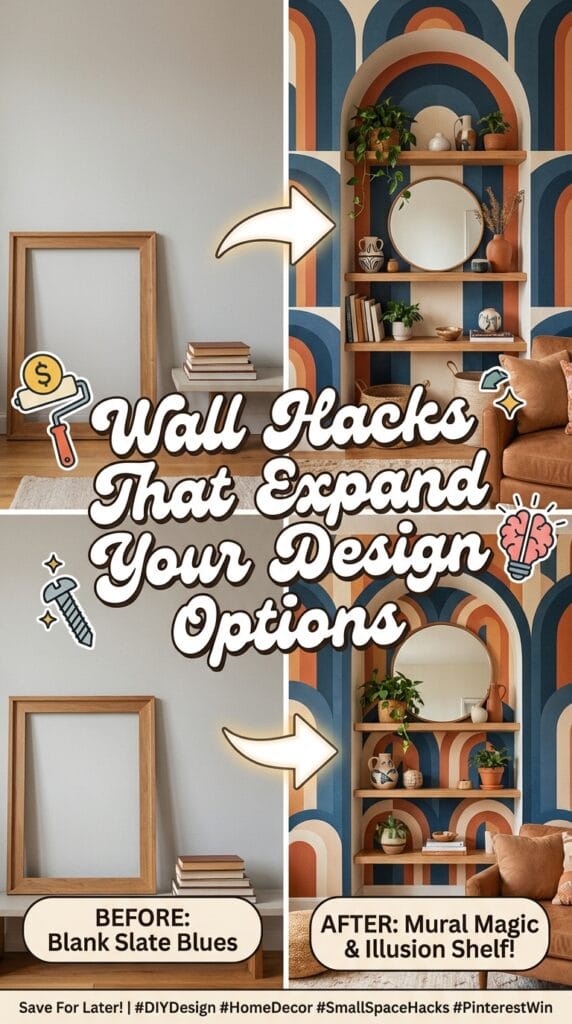
Single walls? Boring. But you know what’s not boring? Splitting patterns with low walls and half-walls. This technique lets you mix different wallpaper designs in the same room.
Here’s the magic trick: use low walls to create visual breaks, then add half-walls on top. This lets you display purple patterns without that brown baseboard showing, or combine two designs that normally wouldn’t work together. Suddenly, your limited starter wallpaper options expand exponentially. It’s like discovering you can mix paint colors you thought were incompatible—you just opened up entire design possibilities.
Window Repurposing for Interior Displays
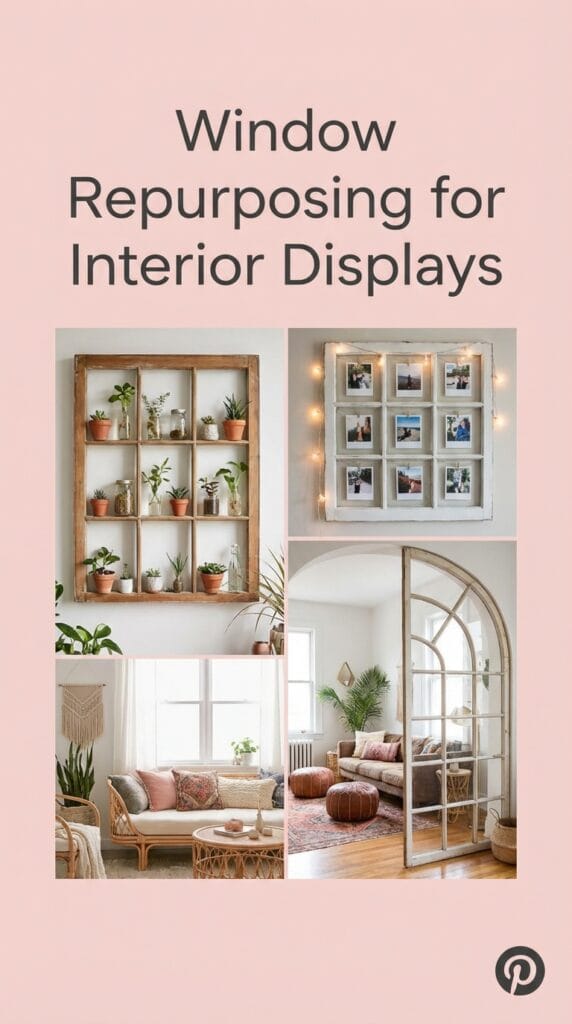
This one blew my mind when I first saw it in action. Take exterior windows—like square wooden ones—paint them to match your walls, and use them as interior display cases. Enclose them with wall panels, and you’ve got a professional-looking display cabinet that cost basically nothing.
Think about it: you’re not paying for a display case from the shop. You’re creatively adapting something designed for one purpose into something totally different. That’s the thrifting mentality right there.
Adorable Theme Ideas: Quick-Build Blueprints You Can Master
Feeling stuck on what vibe you want? Let me walk you through some themes that consistently produce those “wow, that’s gorgeous” reactions from neighbors.
Rose Cottage: Whimsical Garden Charm

Rose fences and painted walls create this fairytale energy instantly. The combination of romantic pinks and flowing garden elements makes this theme feel both cozy and magical.
You’re basically creating a storybook aesthetic without spending serious gold. Use starter fences, paint walls in soft pinks and creams, add some simple flower arrangements, and suddenly your plot looks like it belongs in a fantasy novel. The adorable factor is off the charts.
Enchanted Forest: Natural Pet Haven
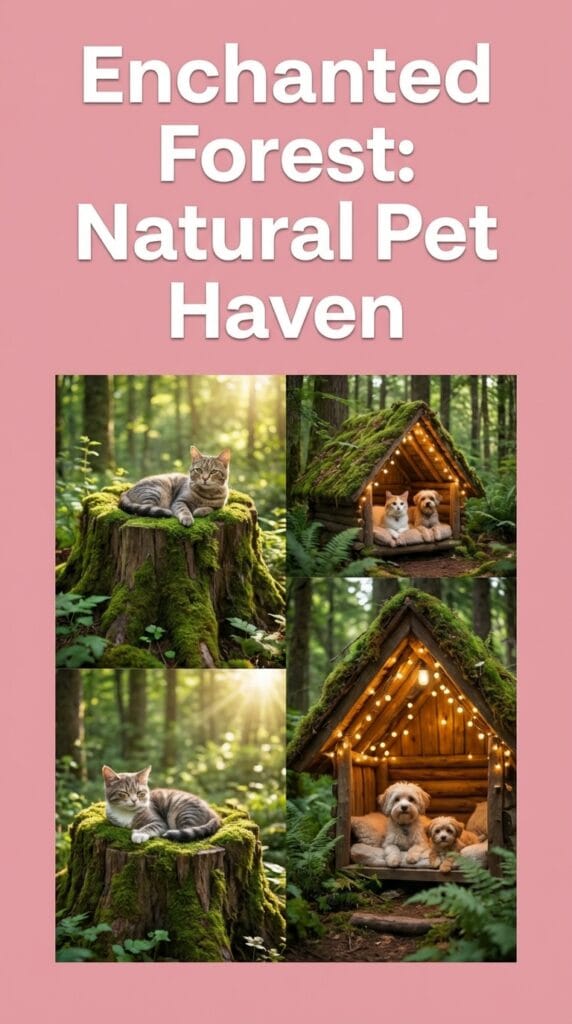
This one uses a bird nest bed as the centerpiece, surrounded by tree-like walls and flat roof greenery tiles. If you want to attract pets and create an immersive nature space, this theme delivers.
The beauty of this design is that it feels organic and intentional simultaneously. You’re not forcing a theme; you’re creating an environment. Plus, pets naturally gravitate toward this kind of setup, so you’re actually building something functional and gorgeous.
Cozy Greenhouse: Bountiful and Inviting
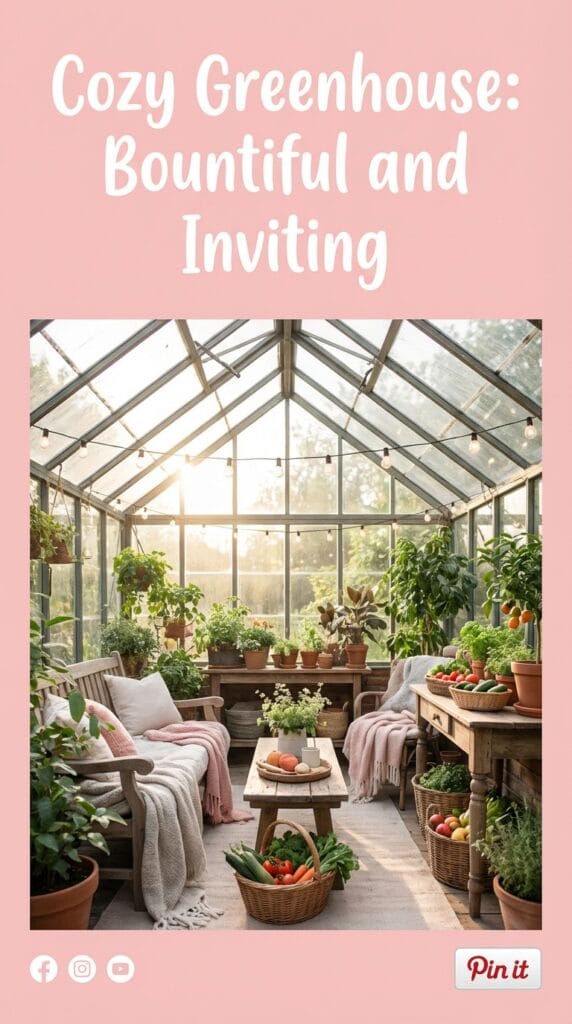
Nine plots dedicated to plants, floor-to-ceiling windows, and strategic ledges for displaying pots. This theme practically builds itself once you understand the structure.
Why does this work so well? It combines functionality with beauty. You’re creating something that serves a purpose while looking absolutely enchanting. That’s the sweet spot of great design.
Whimsical Gazebo: The Neighbor Magnet
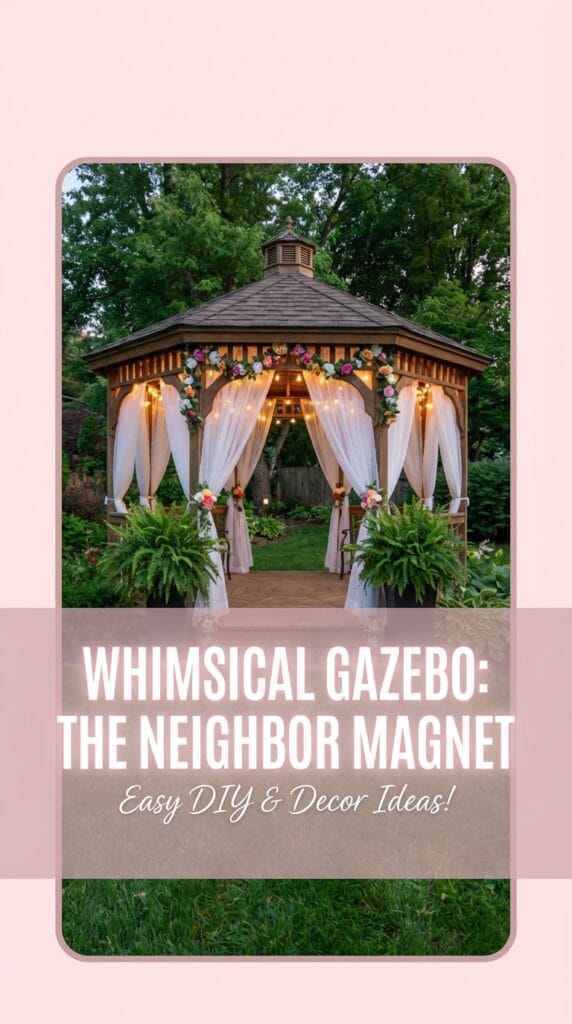
An elevated piano stage surrounded by quarter-walls creates this elegant, inviting gathering space. It’s small enough to build in thirty minutes but impressive enough that neighbors actually want to visit.
This theme proves you don’t need massive space to create impact. Sometimes the smallest, most thoughtfully designed spaces are the ones that leave the strongest impression.
Animal Sanctuary: Playful and Lively
Fenced enclosures with creative layouts turn your plot into a haven for critters. Fish tanks made from panels, animal habitats, pathways—everything serves the theme.
The energy of this build is infectious. Players create these spaces and suddenly realize they’re not just decorating; they’re designing an experience. That shift in perspective changes everything.
Mini Workshop: Functional Cute
An archway garage, workbench placement, stairs creating movement—this theme shows that practical spaces can be adorable too. Quarter-walls and lighting make the space feel professional and intentional.
IMO, this is the theme that really showcases DIY skill because you’re balancing aesthetics with actual functionality.
Step-by-Step DIY Tutorials: Building Your Masterpiece Room by Room
Alright, let’s get into the actual building process. I’m breaking this down by room so you can tackle your home systematically.
Exterior Magic: Creating Curb Appeal
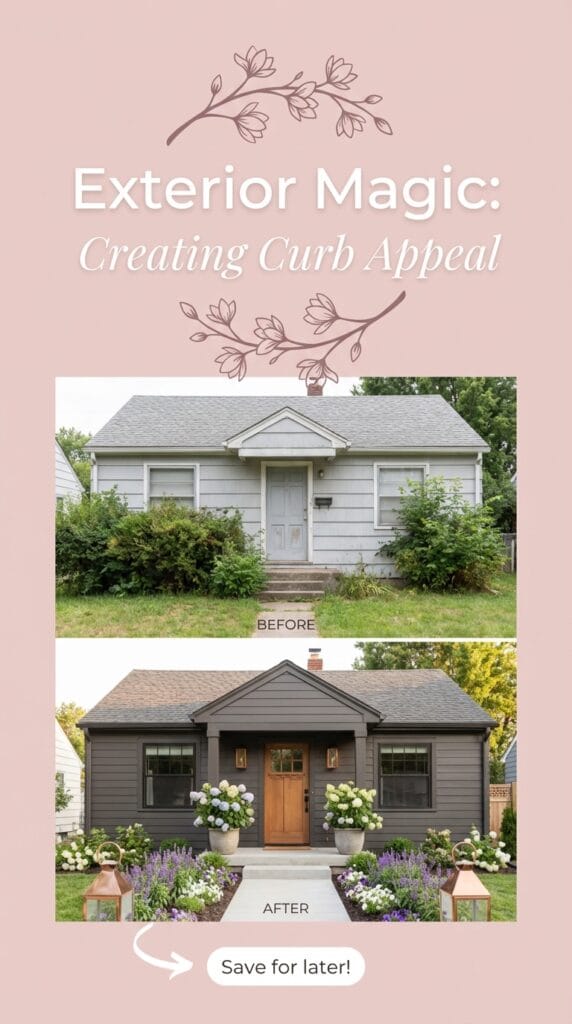
Your exterior is the first impression. Stone steps and pathways create structure and guide visitors through your plot intentionally. Mix ice and warm gardens for contrast—or use snow effects if your device supports them for extra seasonal charm.
The exterior should whisper, “Come inside, there’s something great in here.” Don’t overwhelm it, but make it intentional.
Kitchen: The Heart of the Home
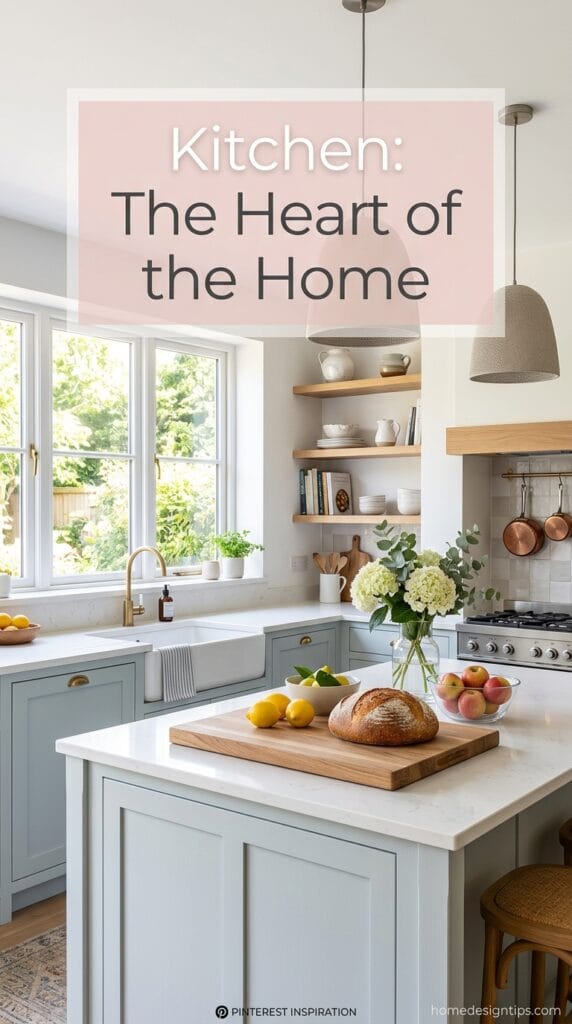
This is where the wall panel island hack changes everything. Instead of buying an island from the shop, duplicate floors to create the illusion of counters. Add wall panels as the “structure,” and suddenly you’ve got custom cabinetry.
Layer in baskets, wooden bowls, and vintage dishes on open shelving. The combination feels like an actual, lived-in kitchen rather than a showroom.
Bedroom: Cozy and Personal
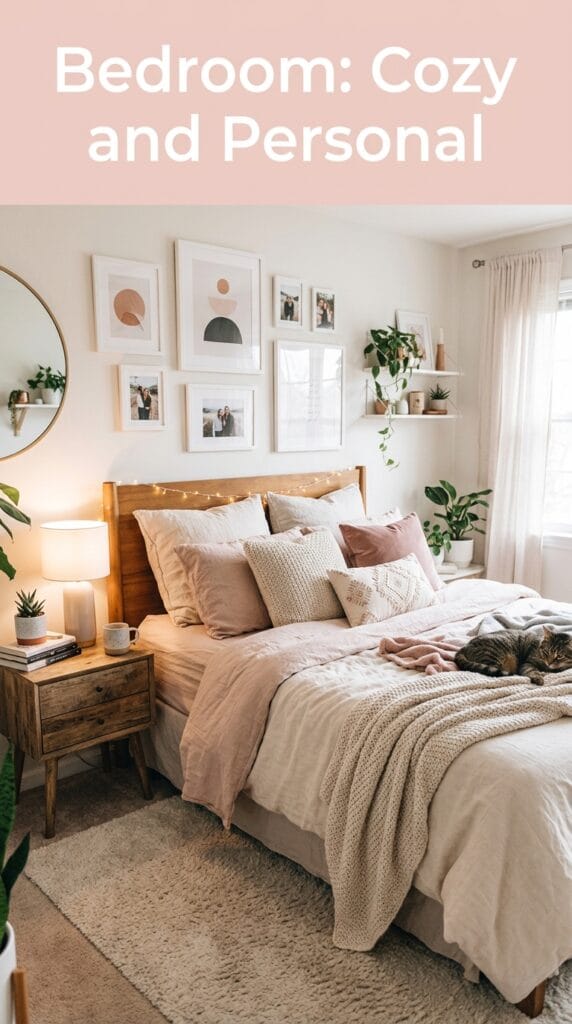
Start with that nest bed as your centerpiece. Drape blankets around it to create a canopy effect using textiles scattered on the floor as a rug. Color your tiles in different shades to create visual depth—darker tones at the base, lighter ones higher up.
Add those candlesticks and lamps we talked about earlier for ambient lighting that screams comfort.
Garden and Entry: First Impressions Matter
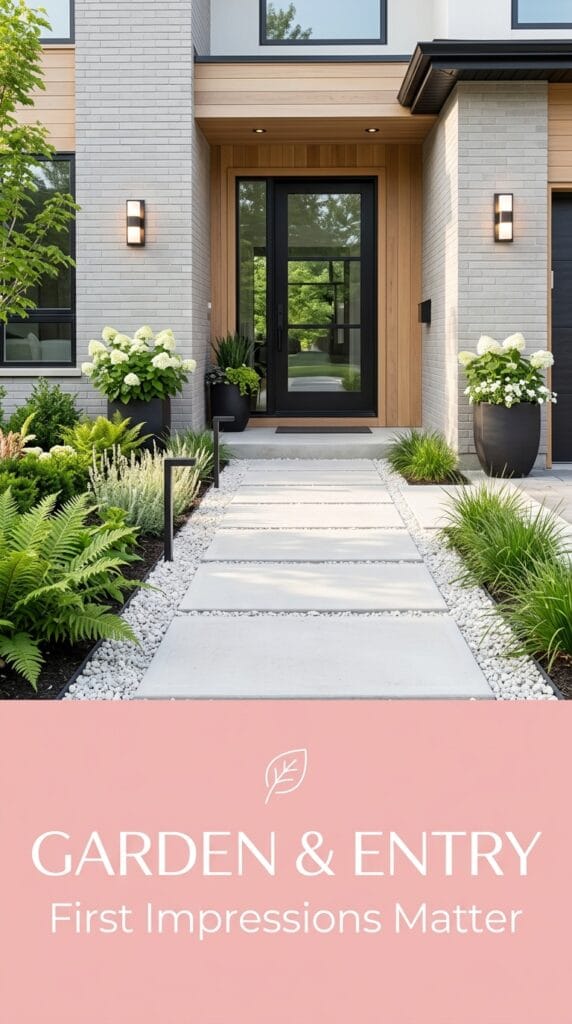
This is where woven trays (using floor tiles creatively) and faux florals shine. Arrange potted plants in clusters—tall in back, shorter ones in front—just like real garden design.
Your entry should feel intentional and welcoming. It’s the room people see first, so make it count.
Universal Customization: Making Everything Work Together
Here’s the pro move: repurpose windows indoors. Take outdoor windows and place them inside walls as decorative elements. Literally anything can become decor if you think creatively enough about it. Those stairs? Perfect for shelving. That archway? Becomes a room divider.
Advanced Styling Tips: Polish Your Home Like a Pro Thrifter
Okay, so you’ve built the structure. Now let’s make it look actually professional. This is where the real skill comes in.
The Layering Technique: Height, Color, and Balance
Real thrifters know this trick: layer 2–3 different heights. Tall vases in back, mid-level baskets in the middle, low trays in front. Start with neutral colors as your base, then add pops of personality on top.
This creates visual interest and prevents that “flat decoration” look. Your eye travels naturally through the space instead of landing on one spot and getting bored.
Refresh Seasonally: Keep It Fresh
Don’t be afraid to swap paints, flowers, and seasonal items. Spring calls for baskets and lighter tones. Fall? Bring in those warm oranges and browns. Winter whites and cool blues. Your home should feel like the season.
This approach keeps neighbors coming back because your space always has something new to discover.
The Blueprint Test: Never Build Blind
Before committing to a full build, test everything in blueprint mode. Save your base home first, then experiment. This takes the pressure off perfection and lets you play freely.
Some of my favorite design ideas came from just messing around in blueprint mode without worrying about making it “right.”
Common Pitfalls to Avoid
Building limits cap at three levels—embrace this instead of fighting it. Use quarter-walls creatively to work within constraints rather than against them.
Avoid cluttering every surface. Negative space is your friend. Less is more, especially in smaller rooms.
Don’t forget about lighting. Rectangular lights scattered strategically make even simple designs feel intentional and atmospheric.
Monetize Your Adorable Home: Make Gold While Building
Here’s a bonus strategy: your beautiful DIY home can actually make you gold. Host music parties in your custom DIY halls and watch the gold roll in.
Build something genuinely charming, and neighbors won’t just visit—they’ll return regularly. That consistent foot traffic means consistent income. You’re not just decorating for aesthetics; you’re building an actual destination.
The Thrifting Mindset: Why It Matters
Real thrifters don’t think, “I need to buy this.” They think, “What can I repurpose?” That’s the exact mindset that creates the best Heartopia homes.
You’re hunting for hidden potential in basic items. You’re mixing things that normally wouldn’t go together and discovering they actually complement each other perfectly. You’re telling a story with your space instead of following a template.
That’s why budget builds are secretly the most fun. They force creativity. They demand intentionality. And the result? Homes that feel genuinely special instead of just expensively decorated.
Final Thoughts: Your Budget Build Awaits
Building an adorable Heartopia home on a budget isn’t settling for less—it’s actually choosing more. More creativity, more personality, more satisfaction when someone visits and asks, “How did you make this look so good?”
Start with that essential item list. Pick a theme that speaks to you. Test your ideas in blueprint mode. Layer your decorations thoughtfully. Refresh seasonally. And most importantly, enjoy the process.
Your neighbors aren’t judging you for not having premium furniture. They’re admiring the fact that you made something genuinely special with basic pieces and big ideas. That’s the real victory right there. Now go build something adorable 🙂