
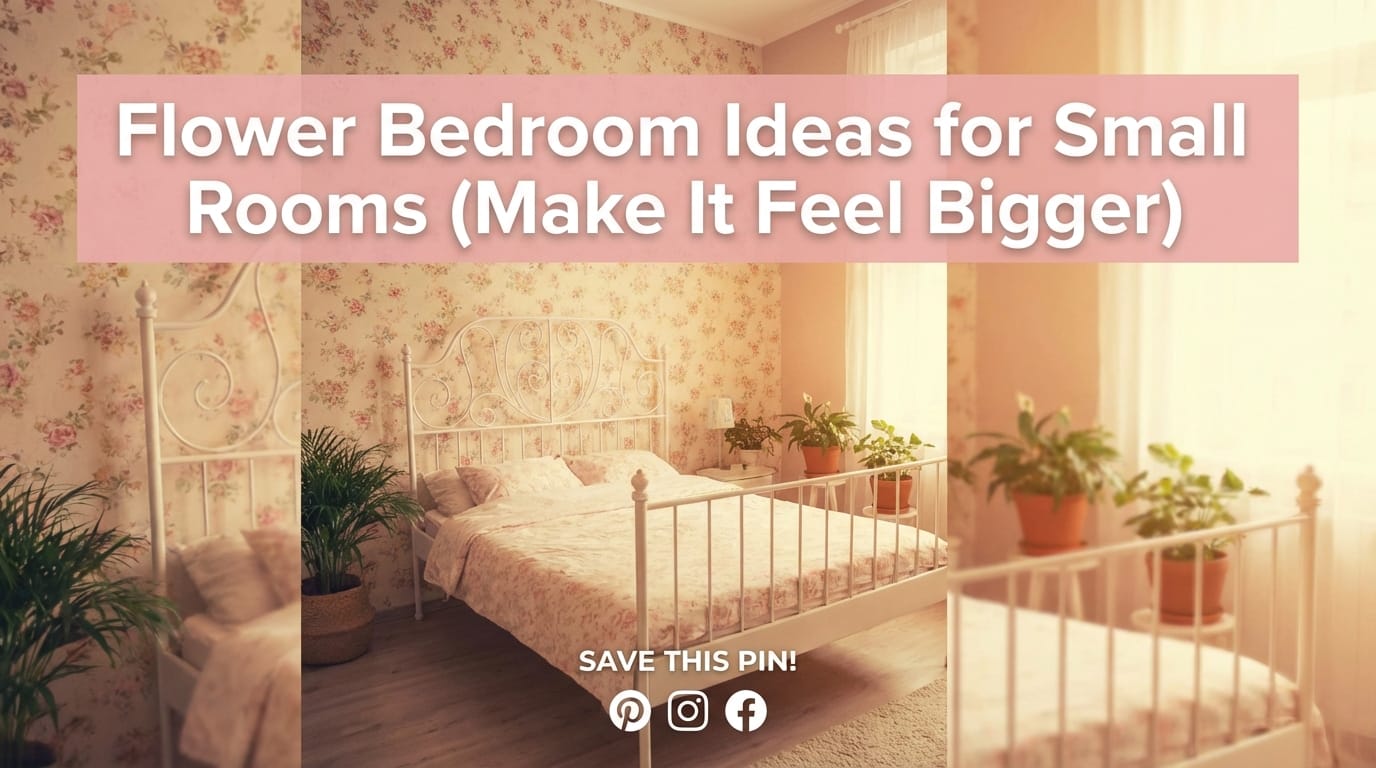
So you’re staring at your shoebox bedroom thinking, “How am I supposed to make this feel bigger while adding flowers?” Trust me, I get it. Small rooms are tough to decorate, especially when you want that cozy, garden-vibes aesthetic. But here’s the thing—floral design actually works incredibly well in compact spaces if you approach it the right way. The secret isn’t avoiding flowers; it’s using them strategically. Let me walk you through the game-changers that genuinely transform tiny bedrooms into airy sanctuaries.
The Psychology Behind Floral Designs in Compact Spaces
Ever wondered why some small rooms with floral accents feel cramped while others feel like peaceful retreats? It all comes down to color theory and visual perception.
When you use florals correctly, they trick your brain into seeing depth and dimension where there really isn’t much. Light, delicate flower patterns with airy backgrounds create an optical illusion that pushes walls back. Dark, heavy florals do the opposite—they compress your space and make everything feel more intimate (and not in a good way). The magic happens when you understand that the right floral approach doesn’t add visual weight; it actually removes it.
Why Light Florals Work Magic
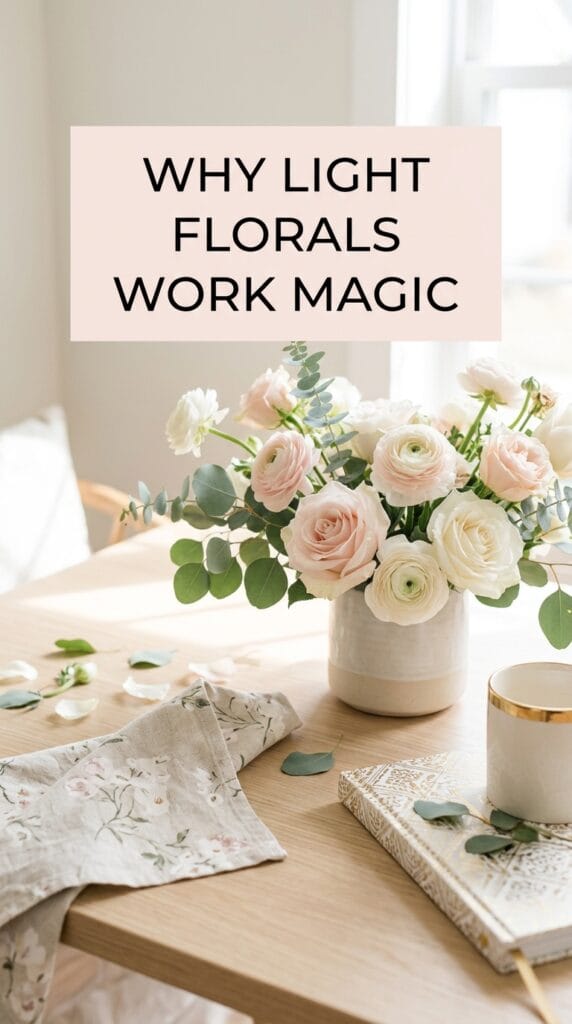
Light-colored floral patterns—think soft pinks, pale yellows, creams, and whites with subtle botanical details—reflect light around your room. This reflection literally makes your space feel airier. Bright, saturated florals? They absorb light and make walls feel closer. It’s not complicated; it’s just how your eyes process visual information.
Strategic Floral Wallpaper: The Game-Changer (Or the Mistake)
Wallpaper gets a bad reputation in small rooms, but here’s my honest take: it’s not wallpaper that’s the problem; it’s how you use it :/
The Accent Wall Approach (Your Best Friend)
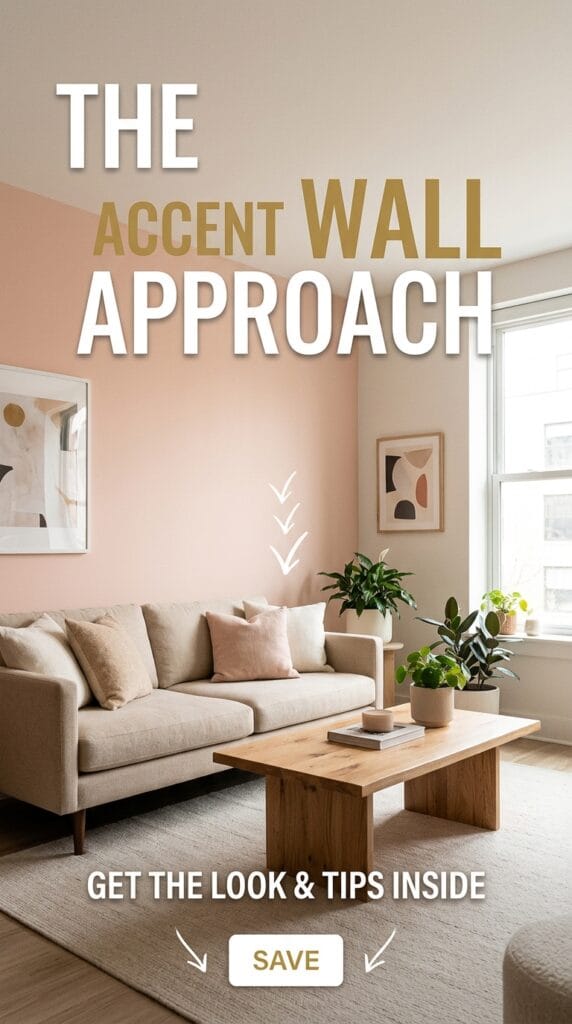
Instead of wallpapering all four walls (seriously, don’t do that in a small bedroom), focus on a single accent wall behind your bed. This creates a focal point that anchors your room without overwhelming it. Choose wallpaper with:
- Small-scale floral prints rather than oversized botanical designs
- Light backgrounds with pops of soft color
- Delicate details that don’t create busy visual noise
The wall behind your bed becomes your statement, while the other three walls stay light and neutral. Your room instantly feels intentional and designed, not chaotic.
Wall Murals for Ceiling Magic
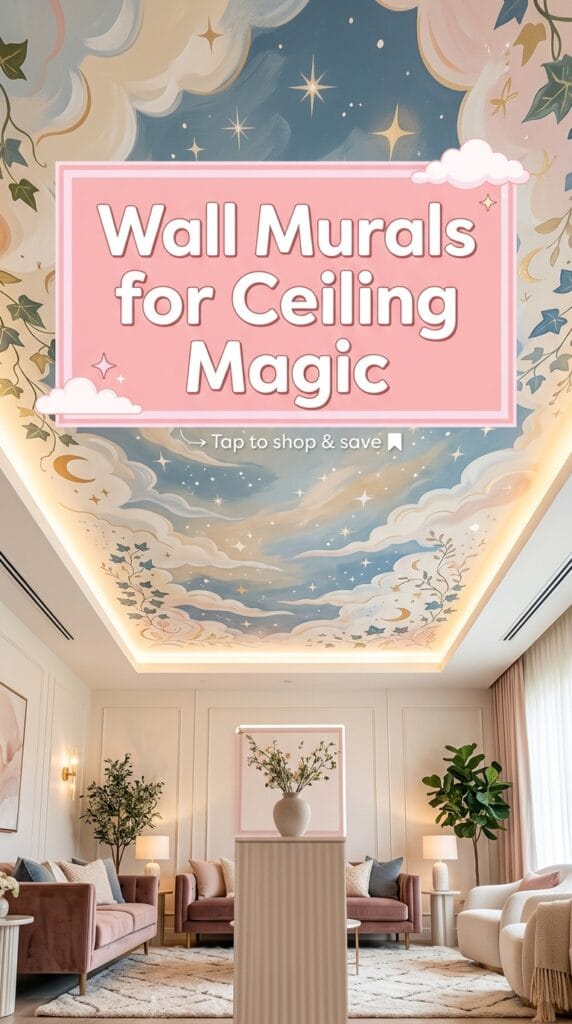
Here’s a trick that most people miss entirely: put your florals on the ceiling instead of the walls. I know, it sounds unconventional, but ceiling murals with soft, watercolor-style florals create an incredible sense of height and openness. Your eye naturally travels upward, making the room feel taller than it actually is. Plus, people rarely look at ceilings, so you get that wow factor without the visual heaviness of wallpapered walls.
Color Selection: The Palette That Expands Your Space
Let me be real—choosing the right colors is 80% of the battle when decorating small rooms with florals. The remaining 20% is placement, but color is where the magic happens.
Winning Color Combinations
These color palettes consistently make small bedrooms feel more spacious:
| Color Palette | Flower Examples | Why It Works |
|---|---|---|
| Blush & Cream | Peonies, roses, garden roses | Soft, romantic, reflects light beautifully |
| Sage & White | Eucalyptus, greenery-focused | Calming, botanical, naturally spacious-feeling |
| Lavender & Ivory | Lavender, lilacs, delphiniums | Dreamy, light-reflecting, elegant |
| Pale Yellow & Soft Green | Sunflowers (muted), foliage | Cheerful without overwhelming, naturally bright |
| Dusty Blue & Blush | Hydrangeas, delphiniums, roses | Soothing, balanced, layered visual interest |
Avoid combinations with deep burgundies, navy florals, or dark backgrounds unless you want your room to feel like a cozy cave (which, again, might feel cramped even if it looks nice).
The Neutral Foundation Rule
Your walls should stay 85% neutral. Think soft whites, warm creams, pale greiges, or whisper-soft pastels. This neutrality gives your floral accents room to breathe. When everything is competing for attention, nothing stands out, and your brain perceives the space as smaller.
Window Treatments: Light, Floral, and Strategic
Windows are your secret weapon for making small rooms feel expansive. Don’t waste this prime real estate on heavy, dark treatments.
Sheer Floral Curtains for Maximum Impact
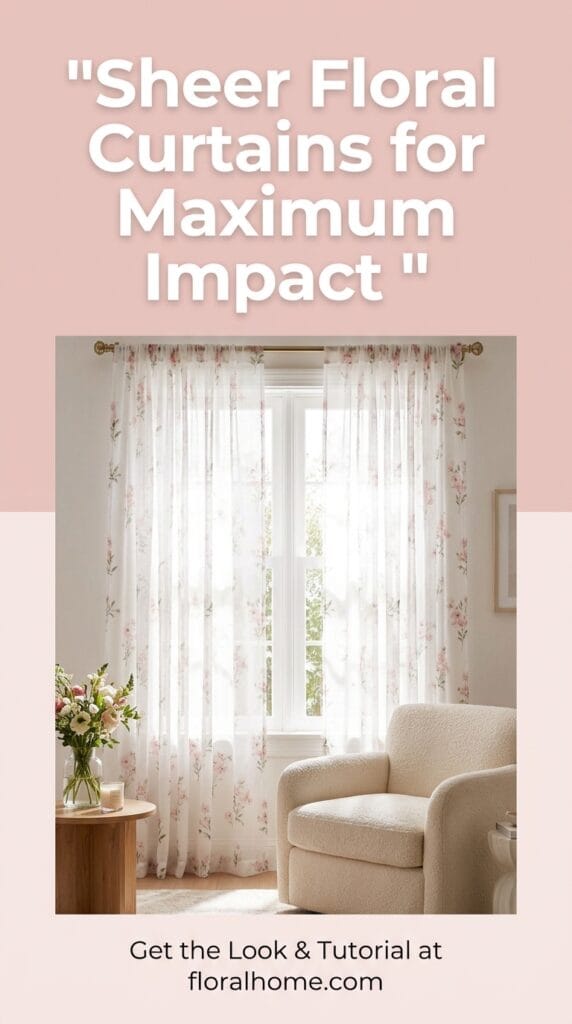
Sheer curtains with subtle floral patterns are absolute game-changers for small bedrooms. They allow natural light to flood your space while still giving you that botanical aesthetic. Here’s why they’re perfect:
- Maximum light penetration = brighter room = feels bigger
- Soft visual interest without heaviness
- Privacy without darkness (you can see out, but people can’t see in clearly)
- Movement and flow that creates visual dynamism
Pair sheer floral curtains with lightweight, decorative rods in brushed gold or white. Avoid heavy rod-and-ring systems that scream “this window is weighted down.”
Layer with Lightweight Roller Shades
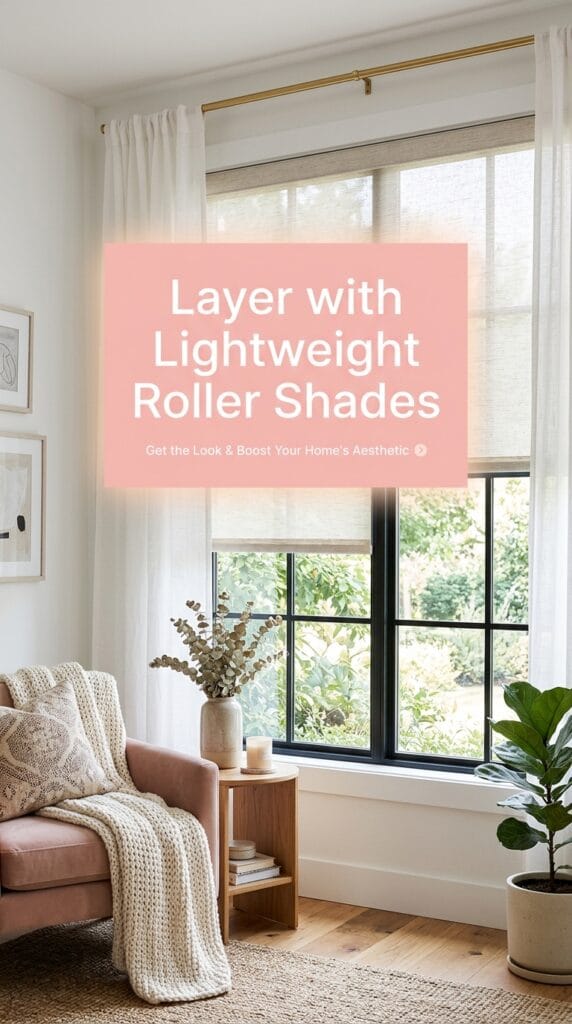
If you need blackout capability for better sleep, use a thin roller shade in a neutral color underneath your sheer floral curtains. This layering approach keeps things light and airy while giving you functional darkness when needed. Best of both worlds, honestly.
Bedding Strategy: Where Florals Shine (Literally)
Your bed is the largest furniture piece in your room, so your bedding choice massively impacts how spacious your bedroom feels. FYI, this is where most people accidentally make their small rooms feel smaller.
The Layered Floral Approach
Instead of a single heavy floral comforter, build your bed with layers:
- Base sheet set in solid white or cream
- Lightweight floral duvet cover in soft colors and small-scale prints
- 2-3 decorative pillows mixing solid textures with one floral accent pillow
- Lightweight throw in a complementary solid color at the foot of the bed
This layering creates visual interest without visual weight. Your eye travels across different textures and patterns, making the composition feel curated rather than cluttered.
Avoid the Heavy Floral Bedspread Trap
Those thick, quilted floral bedspreads? They absolutely dominate small rooms. They anchor your bed heavily and make the space feel compressed. Instead, go light. Your bedroom will thank you.
Floral Accents Beyond the Big Pieces
Sometimes the best approach is skipping obvious floral applications and getting creative with accents. This is where small rooms truly shine because thoughtful, scaled-down florals pack more punch than overwhelming designs.
Small-Scale Floral Ideas That Work
- Artwork in simple frames with botanical prints (1-3 pieces maximum)
- Throw pillows mixing solids with small floral patterns
- Fresh or dried flowers in glass vases on nightstands or shelves
- Floral bookends or small decorative objects
- A single floral plant in the corner (living greenery feels less “designed” and more natural)
- Soft furnishings like a floral storage ottoman or blanket chest
The key here is restraint. Each accent should breathe. Don’t fill every surface with botanical details. That’s how you create clutter, which is the enemy of spacious-feeling rooms.
Vertical Solutions: Growing Your Space Upward
Small room? Go vertical. Ever noticed how tall shelving units instantly make ceilings feel higher? Apply that same logic to floral decorating.
Vertical Floral Displays
- Tall, narrow floating shelves with floral decor spaced out vertically
- Wall-mounted planters with trailing flower varieties (cascading florals draw the eye upward)
- Tall, slender vases with single stems or branches rather than full arrangements
- Floor-to-ceiling mirrors with subtle floral frames to amplify light and depth
Vertical elements counteract the “boxy” feeling small rooms naturally create. Your space stops feeling like a confined box and starts feeling like an intentional design.
The Mirror Multiplier Effect
Here’s something that transforms small floral bedrooms instantly: strategic mirror placement amplifies both light and your floral design.
Position a large mirror opposite a window to reflect natural light and the outdoor greenery beyond. Your bedroom suddenly feels connected to nature while looking brighter. Add a second mirror across from your main floral focal point (like that accent wall), and you’ve just doubled the visual impact of your design without adding anything new.
Mirrors are the introvert’s secret weapon for small-space design 🙂
Common Mistakes That Ruin Small Floral Bedrooms
Let me save you from the design disasters I’ve seen people make:
The Clutter Crime
Pairing floral wallpaper, floral bedding, floral curtains, floral pillows, and floral decor in the same room is decorating chaos. Choose one or two major floral elements, then support them with solids. Your room needs visual rest areas for the eye.
Ignoring Scale
Giant, oversized floral patterns swallow small rooms whole. Match your print scale to your room size. Small rooms need small-to-medium botanical prints, period.
Dark Floral Everything
Dark backgrounds, deep jewel tones, and heavy florals in compact spaces feel suffocating. Honestly, avoid them unless you’re specifically going for a moody, cave-like aesthetic.
Furniture Overload
You can have the most beautiful florals, but if your room is packed with furniture, it’ll still feel cramped. In small bedrooms, every piece needs to earn its spot. Multi-functional furniture is your friend.
Lighting: The Often-Forgotten Secret
You can have perfect floral design, but without proper lighting, your room will feel dark and small. Layer your lighting approach:
- Natural light amplified by sheer floral curtains
- Overhead fixtures in brushed gold or white (not dark bronze)
- Bedside table lamps with simple, light-colored shades
- Accent lighting like string lights or a small neon sign (optional but mood-setting)
Proper lighting makes colors pop, reduces shadows, and instantly expands your perception of space. It’s not glamorous, but it’s absolutely essential.
Budget-Friendly Floral Transformations for Tiny Spaces
Not everyone has the budget for wallpaper and new bedding. Here’s how to get that floral aesthetic on a shoestring:
- Removable wallpaper for accent walls (costs less, no permanent damage)
- Floral artwork from Etsy or local artists (affordable and unique)
- New pillowcases instead of entire bedding sets (makes major visual impact, costs way less)
- DIY flower arrangements with grocery store flowers in repurposed vases
- Fabric paint on plain curtains to add subtle botanical details
- Thrift store finds refinished with floral paint or wallpaper
Budget constraints shouldn’t stop you from creating a beautiful space. Sometimes constraints actually force better design choices.
Seasonal Floral Switching: Keep Things Fresh
Here’s a trick that makes small spaces feel bigger over time: rotate your floral elements seasonally.
Spring and summer call for lighter, brighter florals. Fall and winter benefit from deeper, richer botanical tones. By switching out pillowcases, artwork, and smaller accents every few months, your room constantly feels refreshed rather than stale. This psychological shift makes your small space feel less claustrophobic because it’s never the same twice.
Real Talk: When Florals Might Not Be Your Answer
Not every small bedroom benefits from floral design, and I respect that. If your room gets minimal natural light, heavy florals will make it feel darker. If you have a north-facing bedroom that’s naturally cool, warm floral tones might feel off. Know your room’s characteristics before committing to florals.
Consider your lifestyle too. Do you actually like florals, or are you chasing a Pinterest aesthetic? Authenticity matters more than trends, especially in spaces where you spend 8+ hours sleeping every night.
Final Thoughts: Your Small Room Can Feel Spacious and Floral
Here’s the truth I’ve learned: small rooms with thoughtful floral design feel more luxurious than large rooms with poor design. The constraint forces intentionality. Every color choice, every pattern, every element has to work hard in a small space.
You’ve got this. Start with one major floral element—maybe that accent wall or new bedding—and build from there. Watch how your space transforms. Small rooms aren’t design limitations; they’re opportunities for curated, intentional beauty.
Your tiny bedroom is about to become the botanical sanctuary you’ve been dreaming of. Make it happen! 🙂