
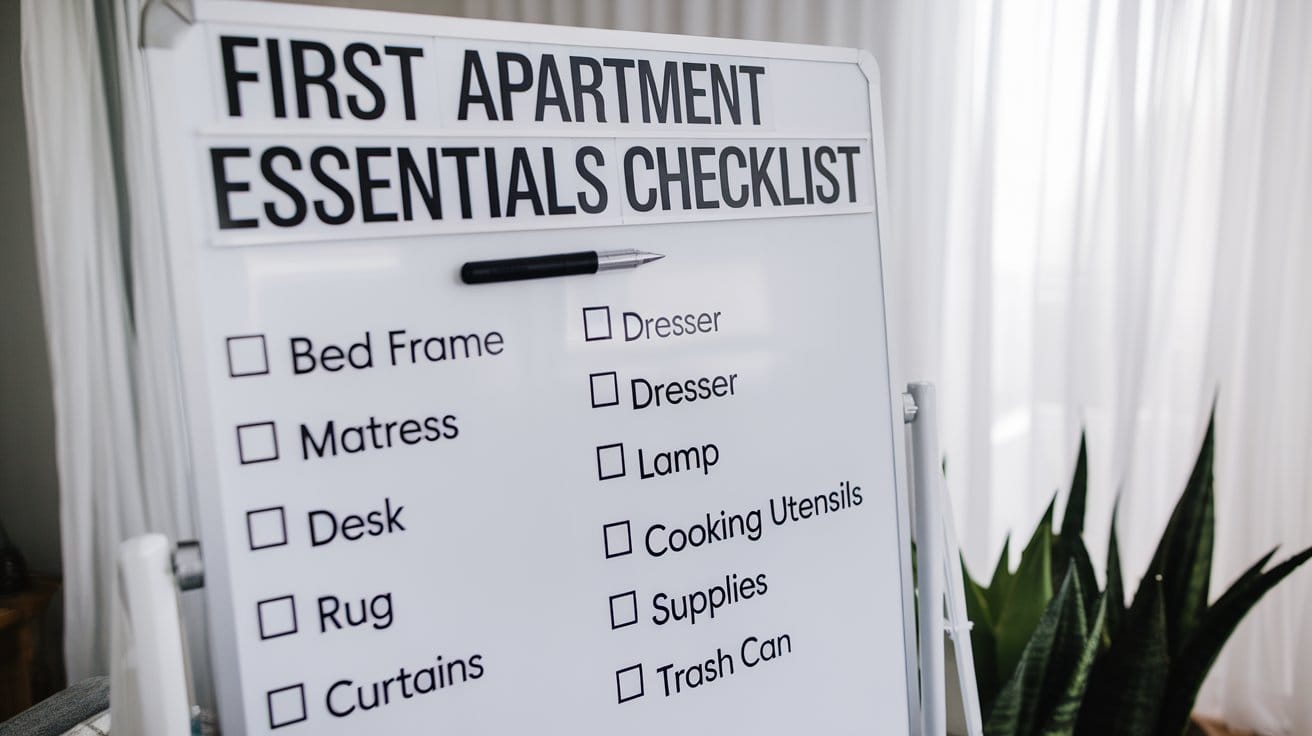
You just got your first apartment. Now you need the right stuff. Not all the stuff. This checklist helps you move in fast, stay clean, eat real food, and sleep well.
The first apartment essentials checklist (the short answer)
If you buy nothing else, buy these first. You will feel “moved in” fast. You will also avoid sleeping on towels. Yes, people do that.
Quick checklist you can screenshot
| Priority | Category | What you need first | Why it matters |
|---|---|---|---|
| 1 | Sleep | Mattress, sheets, pillows, blanket, lamp | You need rest on day one. |
| 1 | Bathroom | Shower curtain, towel, toilet paper, plunger | Bathrooms cause chaos fast. |
| 1 | Kitchen | Plate, bowl, cup, fork, knife, pot, pan | You can eat without takeout. |
| 1 | Cleaning | Trash bags, all-purpose cleaner, paper towels | Move-in dirt feels personal. |
| 1 | Safety | Flashlight, batteries, first aid kit | Power goes out at worst times. |
| 2 | Furniture | Sofa or chair, small table, storage bins | You need a place to sit. |
| 2 | Tools | Basic toolkit, scissors, tape, hooks | Stuff breaks on night one. |
| 3 | Comfort | Rug, curtains, plants, decor | You can add “you” later. |
The “top 25” essentials most people actually use
- Mattress and two pillow set for real sleep.
- Two sheet sets so laundry day stays easy.
- Blanket or comforter for weird apartment temperatures.
- Shower curtain, liner, hooks, plus bath mat.
- Two towels and one hand towel for daily use.
- Toilet paper, plunger, and toilet brush.
- Trash can and trash bags for kitchen mess.
- All-purpose cleaner and disinfecting wipes for quick resets.
- Paper towels and rags for spills and scrubbing.
- Broom and dustpan for crumbs that appear magically.
- Dish soap and two sponges for dishes.
- One pot and one pan for basic meals.
- One baking sheet for easy oven dinners.
- Chef’s knife and cutting board for safe chopping.
- Plate, bowl, cup, mug, and flatware set.
- Food containers for leftovers and lunch packing.
- Flashlight and extra batteries for emergencies.
- First aid kit for cuts and “oops” moments.
- Power strip for the one-outlet wall problem.
- Laundry detergent and hamper for dirty clothes.
- Hangers and closet storage bins for sanity.
- Basic toolkit for tiny fixes and big wins.
- Welcome mat to keep dirt outside.
- Step stool for high shelves and cabinets.
- A plant because you deserve joy, honestly.
Pack a “first-night box” so you don’t panic
You will arrive tired. Stores will close early. Your brain will stop working. So pack one box that saves your night.
First-night box checklist (don’t overthink it)
| Box section | Pack this | Quantity for 1–2 people |
|---|---|---|
| Sleep | Sheets, blanket, two pillows, pillowcases | 1 set, 2 pillows |
| Bathroom | Towel, shower curtain, shampoo, toothbrush, toothpaste | 1–2 each |
| Kitchen | Plate, bowl, cup, fork, spoon, knife | 2 sets |
| Cleaning | Trash bags, paper towels, all-purpose cleaner | 1 pack each |
| Safety | Flashlight, batteries, small first aid kit | 1 each |
| Comfort | Phone chargers, water bottle, snacks | 1–2 each |
Experts who track move-in stress push this box hard. People who use it report calmer first nights. People who skip it usually eat chips on the floor. Your choice.
Budget it like a grown-up (without crying)
You can furnish smart without spending wild money. Experts often suggest 10% to 15% of annual income over time. You can also start with a practical starter budget.
A common real-world target lands around $1,500 to $3,000. You hit that range faster if you buy only essentials. You save more if you thrift furniture.
A simple budget split that actually works
Many renter guides use a 50/20/15/15 split. I like it because it stops impulse buys. Nobody needs a neon sign before a plunger.
| Budget slice | What it covers | Typical cost range |
|---|---|---|
| 50% Furniture | Bed, seating, small table, basic storage | $800 to $2,000 |
| 20% Kitchen | Pots, pans, knives, plates, small appliances | $300 to $800 |
| 15% Household basics | Cleaning, bath items, trash, laundry | $200 to $600 |
| 15% Comfort extras | Curtains, rugs, decor, small upgrades | $200 to $600 |
One mover case study reported furnishing essentials for under $2,600. They spent about half on furniture. They also used under-bed bins to stop clutter early.
FYI, you can phase purchases over months. You do not need to buy everything this weekend. Your wallet deserves a nap too.
Room-by-room essentials (with smart quantities)
This part gives you the full checklist. You can shop slowly and stay organized. You can also avoid buying duplicates you never use.
Bedroom basics (sleep first, always)
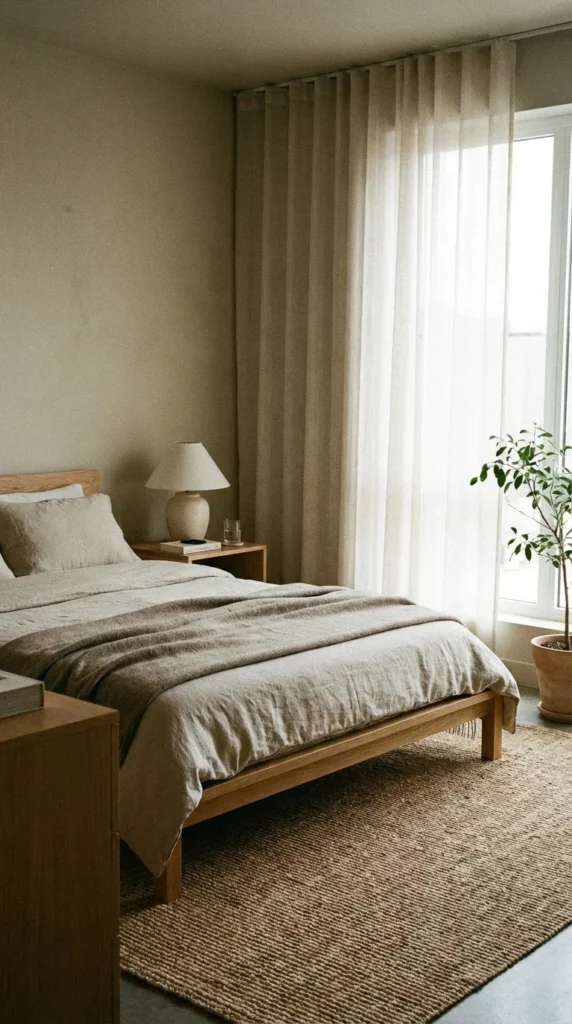
You will spend a third of your life here. So treat your sleep like a priority. Want to feel human on Monday morning?
Must-haves
- Mattress that supports your back every night.
- Mattress protector to block spills and sweat.
- Two sheet sets so you rotate during laundry.
- Two pillows and one extra pillowcase set.
- Blanket or comforter for cold vents and drafts.
- Bed frame if you hate low beds and dust.
- Lamp for reading and late-night calm light.
- Hangers and hamper for daily clothes control.
- Dresser or bins when closets run tiny.
Nice-to-haves
- Curtains to block streetlights and nosy neighbors.
- Full-length mirror for outfit checks and confidence.
- Area rug for warmer feet on cold mornings.
A popular two-pack pillow set often tops bestseller lists. Reviewers like that they wash easily. One buyer called them “the first real upgrade” after moving.
Kitchen essentials (eat real meals, save real money)
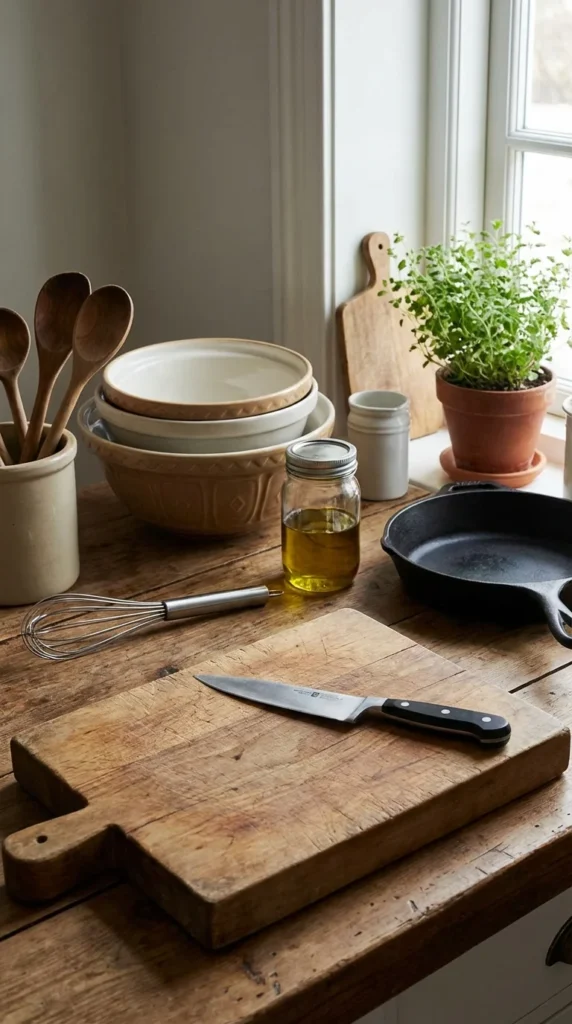
Takeout drains money fast. Even simple meals cut costs quickly. Ever notice how “just one burrito” becomes $25?
Start with these basics
- Plates and bowls for two people, minimum.
- Glasses and mugs for water and coffee.
- Flatware set with forks, knives, and spoons.
- Chef’s knife and cutting board for safe prep.
- One small pot, one medium pot, and one pan.
- Baking sheet for easy roasted meals.
- Spatula, tongs, wooden spoon, whisk for cooking.
- Can opener and bottle opener for basic survival.
- Measuring cups and spoons for simple recipes.
- Colander for pasta, veggies, and rinsing.
Kitchen “support items” you will use daily
- Dish soap, sponges, and dish towels.
- Oven mitts or pot holders for hot trays.
- Food storage containers for leftovers and lunches.
- Foil or wrap for quick covering and storing.
- Trash can and trash bags for daily cleanup.
Small appliances (pick only what you use)
- Microwave if you reheat meals often.
- Toaster or toaster oven for fast breakfasts.
- Coffee maker if mornings feel rough without it.
- Blender if you do smoothies or sauces.
A renter testimonial praised Pyrex measuring cups for baking. They liked dishwasher and oven safety. That kind of durable item saves replacements later.
Bathroom must-haves (clean, safe, and not gross)
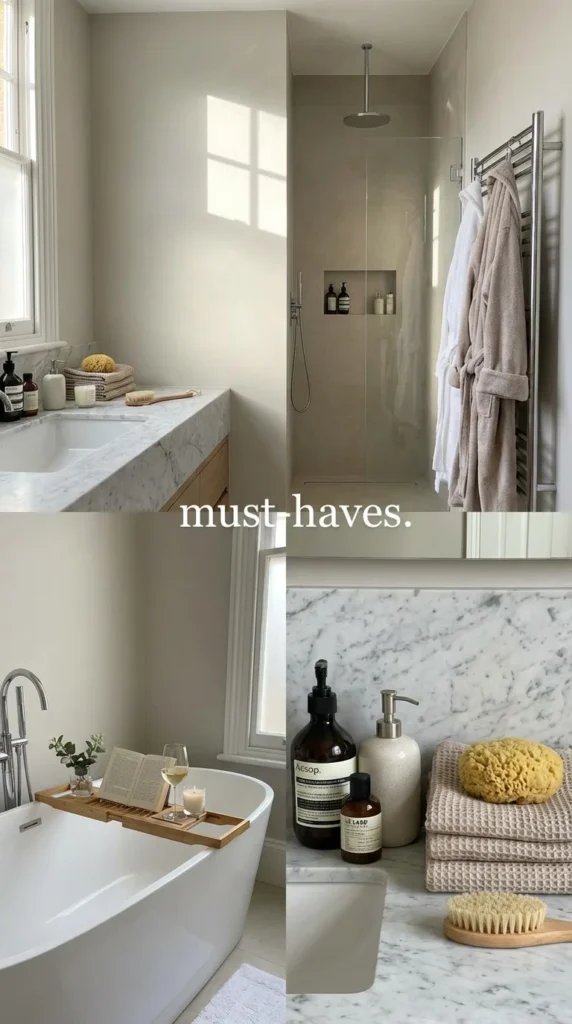
Bathrooms go downhill fast without basics. I hate saying this, but buy a plunger early. You don’t want a “friendship test” with your landlord.
Must-haves
- Shower curtain, liner, and hooks for dry floors.
- Bath mat with grip to stop slipping.
- Two bath towels, plus hand towels and washcloths.
- Toilet paper and hand soap for obvious reasons.
- Plunger and toilet brush for emergencies.
- Bathroom cleaner for tub, sink, and toilet.
- Small trash can with liners for daily trash.
- Shower caddy if storage feels tight.
Some 2026 shoppers loved a slim lidded bathroom bin. They said it held more than expected. Small upgrades like that feel weirdly satisfying.
Living room essentials (sit down like a normal person)
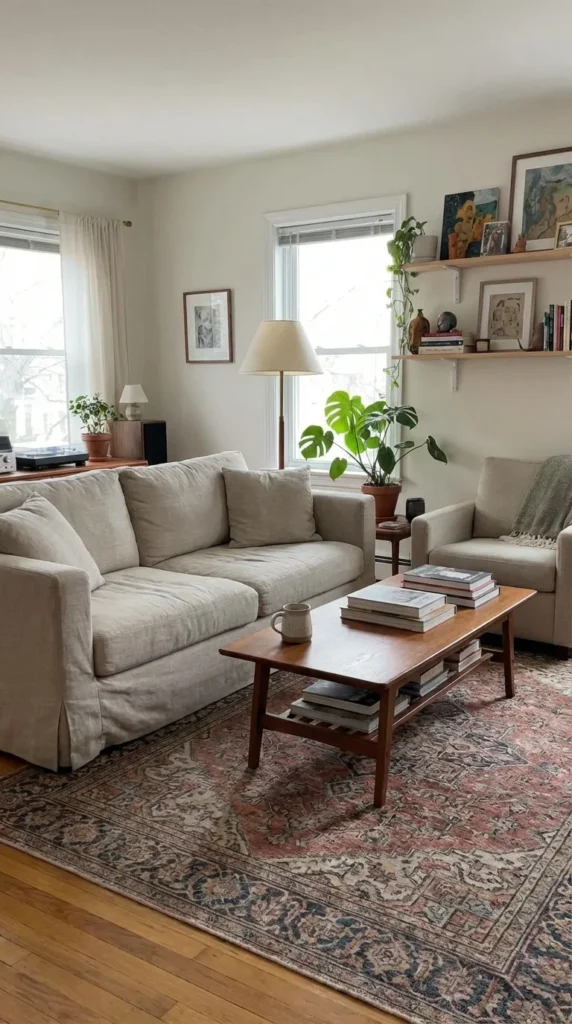
You need one comfy spot to land. You also need light that feels warm. Nobody relaxes under one sad ceiling bulb.
Must-haves
- Sofa or comfy chair that fits your space.
- Coffee table or storage ottoman for surfaces.
- Lamp for softer light and better evenings.
- Curtains or blinds for privacy and comfort.
Nice-to-haves
- Rug to reduce echo and add warmth.
- TV and TV stand if you watch shows often.
- Bookshelf for storage that looks good.
- Wall art or prints for personality.
Multi-use items win in small apartments. Storage ottomans give seating and hidden space. I call that “furniture doing its job,” finally.
Cleaning and laundry essentials (because dust never rests)
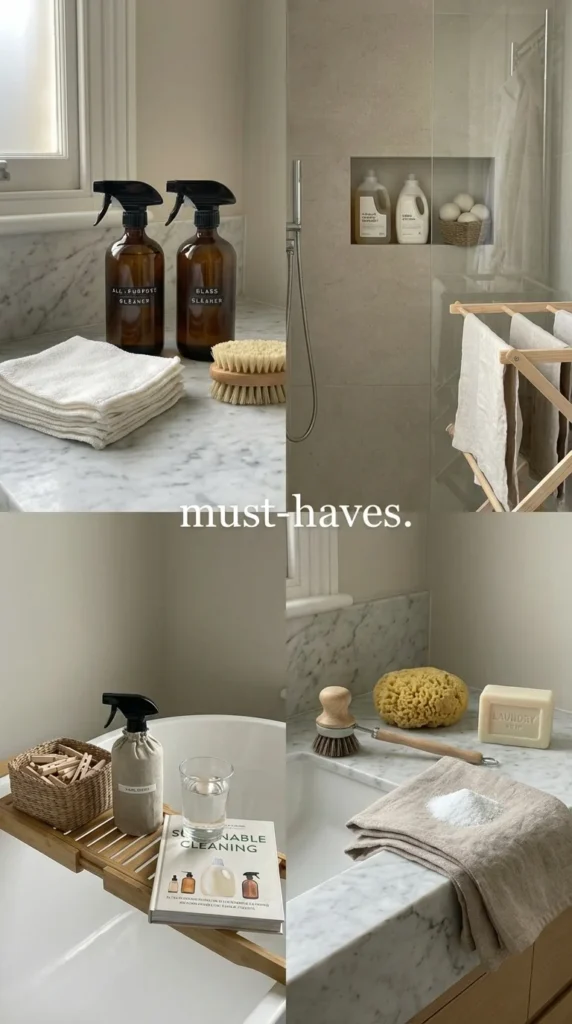
Cleaning supplies protect your deposit. They also keep your place livable. Want to avoid sticky floors and mystery smells?
Cleaning basics
- Broom and dustpan for quick daily crumbs.
- Mop and bucket for kitchen and bathroom floors.
- Vacuum if you have rugs or carpet.
- All-purpose cleaner for most surfaces.
- Glass cleaner for mirrors and windows.
- Disinfecting wipes for fast touch-ups.
- Sponges, scrubbers, and rags for real scrubbing.
- Paper towels for messy spills.
Laundry basics
- Laundry detergent and stain remover for emergencies.
- Hamper or basket so clothes stop roaming.
- Dryer sheets or dryer balls for softness.
- Iron or steamer if you wear work clothes.
Eco-friendly renters often use vinegar and baking soda. Those cost little and clean a lot. IMO, they also save you from buying ten sprays.
Safety and tools (tiny items, huge payoff)
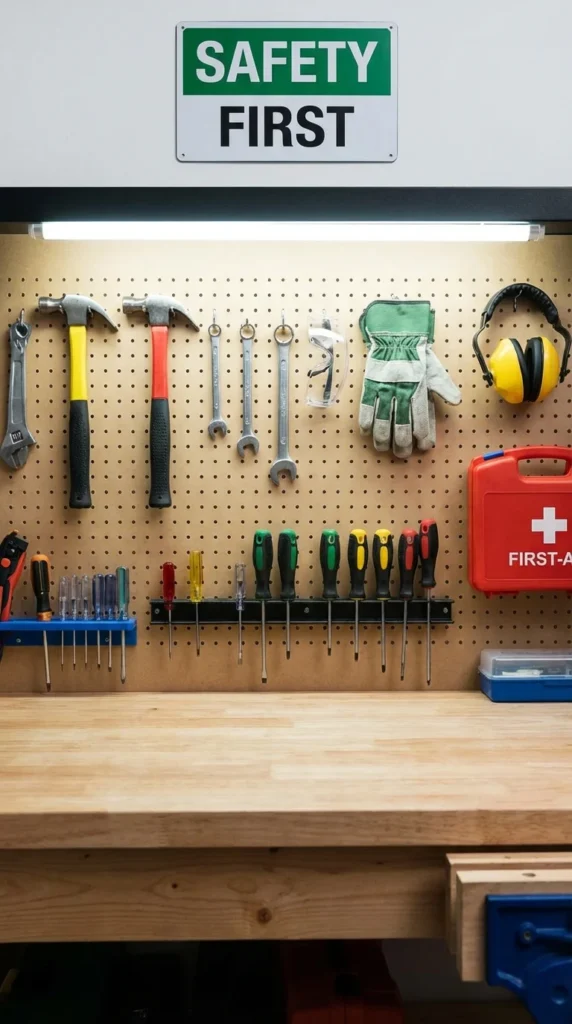
These items feel boring until you need them. Then they feel like superhero gear. Ever tried fixing a loose handle with a butter knife?
Non-negotiable safety basics
- First aid kit for cuts, burns, and blisters.
- Flashlight and extra batteries for outages.
- Fire extinguisher for kitchen accidents.
- Smoke alarm batteries if your unit needs them.
Basic tools that solve most problems
- Screwdriver set for furniture and loose screws.
- Hammer for small fixes and hanging hooks.
- Tape measure for “will this fit?” moments.
- Scissors and box cutter for move-in boxes.
- Tool kit starter set for quick repairs.
One popular 80-piece first aid kit often sells at steep discounts. Some deals hit around 36% off during big sales. A 39-piece tool kit also commonly drops around 8% off.
Also, renters insurance costs less than people think. Some quotes land near $8.33 per month. That price beats replacing your laptop, easily.
Storage, entryway, and small “garden” upgrades
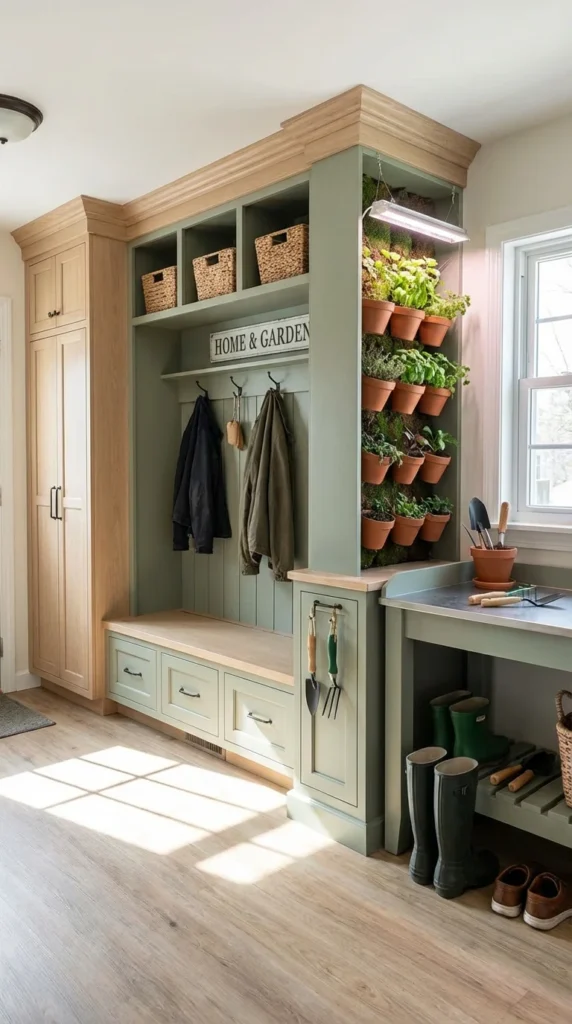
Apartments feel smaller when stuff piles up. Storage keeps your space calm. A clean entry also stops dirt from spreading.
Smart storage basics
- Under-bed bins for off-season clothes and shoes.
- Closet organizers for small closets and tight shelves.
- Coat hooks or rack for bags and jackets.
- Step stool for tall cabinets and top shelves.
Entryway basics
- Welcome mat to trap dirt at the door.
- Small shoe tray for wet shoes and rain days.
- Umbrella for weather that ruins plans.
Balcony or windowsill garden starters
- One or two pots and basic potting soil.
- Low-light plant if your window feels shady.
- Small watering can to avoid messy spills.
A tiny plant changes the vibe fast. It also makes you feel settled. Plus, you can name it something dramatic.
Proof it works: real stories, real savings, real calm
You don’t need theory. You need results you can trust. So here are a few strong examples.
Case study: furnishing essentials under $2,600
One mover tracked every purchase during setup. They finished essentials under $2,600 total. They spent roughly half on furniture first.
They also leaned on under-bed storage bins early. That move reduced visible clutter fast. They reported a calmer first week because everything “had a home.”
Testimonials that match real apartment life
- A Brita-style slim water pitcher earned praise for saving money. Reviewers said it beat bottled water costs quickly. They also liked the narrow fit in fridge doors.
- A blanket reviewer loved an extra layer for weird temperatures. Apartments often swing hot and cold daily. That single blanket stopped constant thermostat battles.
- A small bathroom trash can got love for holding more. People liked the lid for odor control. Small bathroom wins feel bigger than they should 🙂
Deals and timing that help your budget
Many “new mover” basics hit sale cycles often. You can watch for discounts on pillows and tool kits. You can also buy used furniture safely with care.
Try thrift stores for tables and dressers. Try Facebook Marketplace for sturdy chairs and shelves. Then buy mattresses new, please, for everyone’s sake.
Common first-apartment mistakes (so you skip the pain)
You can avoid most problems with a few smart choices. I learned these the hard way. You can learn them the easy way.
- You buy decor before basics, then regret everything.
- You skip the plunger, then face instant bathroom drama.
- You buy too many gadgets you never touch again.
- You forget light bulbs, then live in spooky darkness.
- You ignore storage, then lose stuff every day.
- You don’t plan meals, then burn money on takeout.
Also, talk with roommates before buying shared items. A simple chore calendar helps a lot. People report fewer fights when chores feel clear.
Conclusion: do these three steps today
- Pack your first-night box and keep it in your car.
- Buy the five basics first: sleep, bath, kitchen, cleaning, safety.
- Use the 50/20/15/15 budget split and shop in phases.